
Fake Products And Consumer Trends In The Digital Era
Gusti Ayu Tita P
26 Agustus 2026
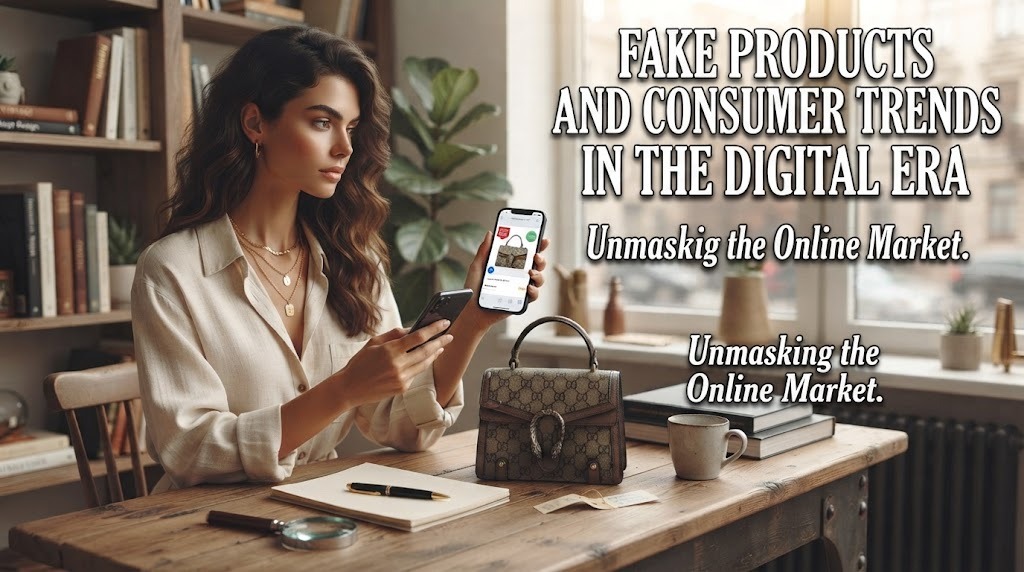
The digital era has changed the way people discover, compare, and purchase products. Online marketplaces, social media, and digital advertising make shopping faster and more convenient than ever. However, these developments have also created new opportunities for fake products and counterfeit goods to reach consumers. Attractive photos, influencer promotions, and very low prices can make imitation products difficult to recognize. Understanding consumer trends in the digital era is therefore important for anyone who wants to shop safely and make informed decisions.
THE GROWTH OF ONLINE SHOPPING
Online shopping has become an important part of modern consumer behavior. Consumers can compare prices, read reviews, watch product demonstrations, and complete purchases without visiting physical stores. This convenience has encouraged more businesses to sell through e-commerce platforms and social media. However, the large number of sellers can make it difficult to determine which products are genuine.
Counterfeit sellers can take advantage of this environment by creating attractive online listings. They may use official product photographs, copied descriptions, and professional-looking advertisements to make fake products appear legitimate. Consumers often cannot physically inspect an item before paying, which increases the importance of checking seller information and product details. As online shopping continues to develop, digital awareness becomes an important part of consumer protection.
WHY FAKE PRODUCTS ATTRACT DIGITAL CONSUMERS
One major reason consumers purchase fake products is the desire to save money. Counterfeit goods are often offered at prices significantly below genuine products, making them attractive to people with limited budgets. Some consumers may also want the appearance or style of a popular brand without paying the full price. This combination of affordability and recognizable design can increase demand for imitation goods.
Social media can strengthen this trend by making certain products popular very quickly. Viral content and trending products can create strong consumer demand, while sellers can respond by offering similar-looking alternatives. Some buyers may prioritize appearance and price over authenticity, especially when the differences are difficult to see online. This creates an environment in which counterfeit products can spread rapidly.
THE ROLE OF SOCIAL MEDIA IN CONSUMER TRENDS
Social media has become a powerful source of product recommendations and purchasing decisions. Consumers often discover products through short videos, influencers, reviews, livestreams, and user-generated content. These formats can make products appear more trustworthy because consumers see other people using or recommending them. However, popularity on social media does not necessarily prove that a product is authentic or high quality.
Counterfeit sellers can use similar promotional techniques to legitimate businesses. They may create professional-looking accounts, collaborate with promotional pages, or use trending content to attract attention. Consumers should distinguish popularity from authenticity and investigate products before purchasing them. Checking the seller, product information, reviews, and official brand channels can provide stronger evidence than social media popularity alone.
THE INFLUENCE OF LOW PRICES AND DISCOUNTS
Price remains one of the strongest factors influencing online purchasing decisions. Digital marketplaces make it easy for consumers to compare prices from many sellers within seconds. This can create strong competition, but it can also make extremely low prices especially attractive. Counterfeit sellers may use low prices to gain attention and encourage quick purchases.
However, a low price does not automatically mean that a product is fake. Genuine products may be discounted because of seasonal promotions, clearance sales, older models, or authorized campaigns. Consumers should therefore compare the price with several trusted sellers and investigate unusual differences. A combination of an extremely low price, poor seller information, and inconsistent product details is a stronger warning sign.
THE FUTURE OF CONSUMER TRENDS AND COUNTERFEIT PRODUCTS
Consumer behavior will continue to change as digital commerce develops. Artificial intelligence, personalized recommendations, livestream shopping, and faster delivery services may make online purchasing even more convenient. At the same time, counterfeit sellers may adopt new technologies to make fake listings appear more convincing. Digital literacy and consumer awareness will therefore become increasingly important.
Businesses and online platforms also have an important role in reducing counterfeit activity. Better seller verification, product authentication, reporting systems, and consumer education can make digital marketplaces safer. Consumers can support these efforts by reporting suspicious listings and choosing reliable sellers. A safer digital market requires cooperation between consumers, businesses, platforms, and authorities.
CONCLUSION
Fake products and consumer trends in the digital era are closely connected because modern technology has changed how people discover and purchase goods. Online shopping, social media, influencers, low prices, and impulse buying can increase exposure to counterfeit products. At the same time, digital authentication tools and better consumer education can help reduce these risks.
Consumers should not judge a product only by its appearance, popularity, or price. Checking the seller, comparing prices, reading reviews carefully, verifying product information, and using trusted purchasing channels are important steps toward safer shopping. As digital commerce continues to grow, informed and responsible consumers will play an important role in creating a healthier online marketplace.
About the Author
Gusti Ayu Tita P
Author — STEKOM University
An active author focused on academic issues, educational technology, and human resource development in the campus environment.















