
Fake Products In The Modern Era And Their Impact On Consumers
Gusti Ayu Tita P
26 Agustus 2026
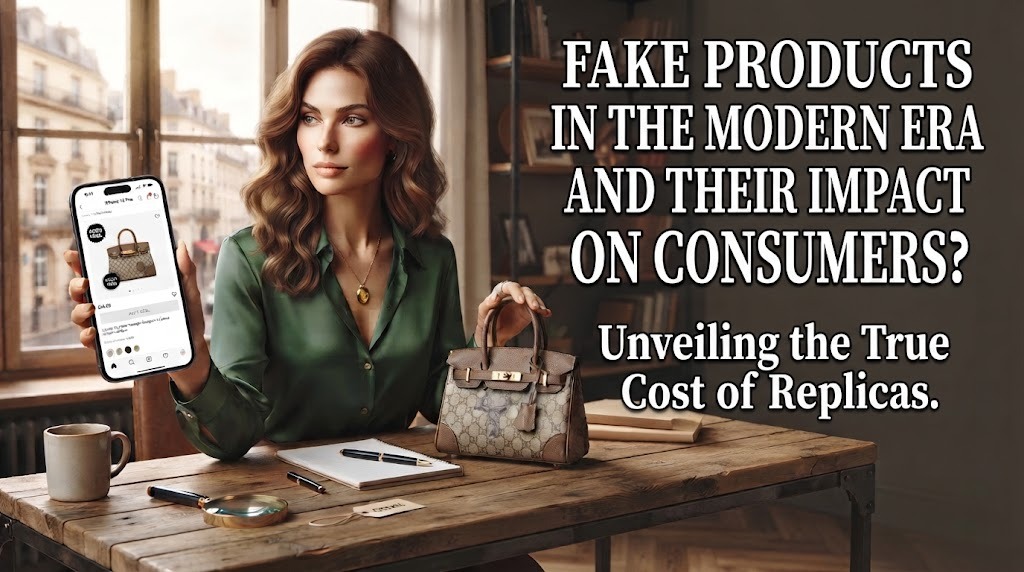
The growth of digital technology has changed the way people discover and purchase products. Consumers can now shop through online marketplaces, social media, websites, and other digital platforms without visiting physical stores. However, this convenience has also created more opportunities for fake products and counterfeit goods to reach consumers. Fake products may imitate the appearance, packaging, logo, or design of genuine products while offering a much lower price. Understanding the impact of fake products on consumers is important for making safer and more informed purchasing decisions.
THE GROWTH OF FAKE PRODUCTS IN THE MODERN ERA
The modern digital economy has made it easier for sellers to reach large numbers of consumers. Online marketplaces and social media allow products to be promoted to buyers from different cities and countries. Counterfeit sellers can take advantage of these platforms to display attractive product photos and competitive prices. Some sellers may also change accounts or listings quickly when their products receive complaints. As a result, identifying the real source of a product can sometimes be difficult.
The problem is not limited to one particular type of product. Counterfeit goods can include clothing, shoes, accessories, electronics, cosmetics, spare parts, and other consumer goods. The level of imitation can also vary, with some products being easy to recognize while others look very similar to genuine items. This makes consumer awareness increasingly important in the digital shopping environment.
WHY CONSUMERS ARE ATTRACTED TO FAKE PRODUCTS
One of the biggest reasons consumers purchase counterfeit goods is the lower price. Genuine branded products can be expensive because their prices may include research, materials, manufacturing, quality control, distribution, marketing, and customer support. Counterfeit producers may reduce costs by using cheaper materials and avoiding legitimate business expenses. This allows fake products to be offered at prices that attract budget-conscious consumers.
Appearance and trends can also influence purchasing decisions. Some consumers want products that resemble popular brands but cannot or do not want to pay the original price. Social media trends and influencer content can increase demand for products that are visually recognizable. However, consumers should remember that an inexpensive imitation may provide lower quality and fewer protections than a genuine product.
THE ROLE OF SOCIAL MEDIA
Social media has become an important channel for product discovery and promotion. Sellers can use short videos, livestreams, advertisements, and influencer-style content to attract potential buyers. Fast-moving trends can increase demand for products that imitate popular brands. Consumers may make quick purchasing decisions after repeatedly seeing a product online.
However, social media popularity does not guarantee product authenticity. Consumers should verify important information through official brand sources and trustworthy sellers. They should also be cautious when advertisements use extremely low prices or strong pressure to purchase immediately. Taking time to research a product can prevent impulsive and risky purchases.
HOW CONSUMERS CAN PROTECT THEMSELVES
Consumers can reduce the risk of purchasing fake products by taking several practical steps. First, they should choose official stores or authorized sellers whenever possible, especially for expensive or safety-sensitive products. Before buying online, consumers can check seller ratings, customer reviews, product descriptions, photographs, warranty information, and return policies. Comparing prices across trusted sellers can also reveal unusually suspicious offers.
Consumers should not depend on a single sign when checking authenticity. A low price does not automatically mean a product is fake, while an expensive product is not automatically genuine. Several warning signs should be considered together, including unclear seller information, inconsistent product details, poor reviews, unusual packaging, and missing authentication features. Careful research is one of the simplest ways to reduce purchasing risks.
WHY CONSUMER AWARENESS MATTERS
Consumer awareness is an important tool for reducing the impact of counterfeit goods. People who understand product authenticity, seller verification, online safety, and consumer rights are more likely to recognize suspicious offers. Education can also help consumers understand that affordable alternatives do not necessarily need to be counterfeit. Generic, unbranded, discounted, and second-hand products can be legitimate choices when they are honestly represented.
Awareness is especially important as online shopping continues to develop. Consumers should learn to evaluate information rather than immediately trusting advertisements or attractive prices. Smart purchasing decisions can protect money, safety, and personal information. They can also reduce demand for counterfeit goods and support legitimate businesses.
CONCLUSION
Fake products in the modern era have become a significant consumer concern because digital platforms make products easier to promote, sell, and distribute. Consumers may be attracted by lower prices, popular trends, and similar appearances, but counterfeit goods can create problems involving quality, safety, finances, trust, and consumer protection.
The best way to reduce these risks is to become a more careful and informed buyer. Checking sellers, comparing prices, verifying product information, reading reviews, and choosing authorized sources can help consumers avoid counterfeit goods. A cheap product is not always a good deal if it creates greater costs or risks later. By making responsible purchasing decisions, consumers can protect themselves while supporting a healthier and more trustworthy marketplace.
About the Author
Gusti Ayu Tita P
Author — STEKOM University
An active author focused on academic issues, educational technology, and human resource development in the campus environment.















