
Financial Habits That Help You Build an Emergency Fund Faster
Gusti Ayu Tita P
6 Agustus 2026
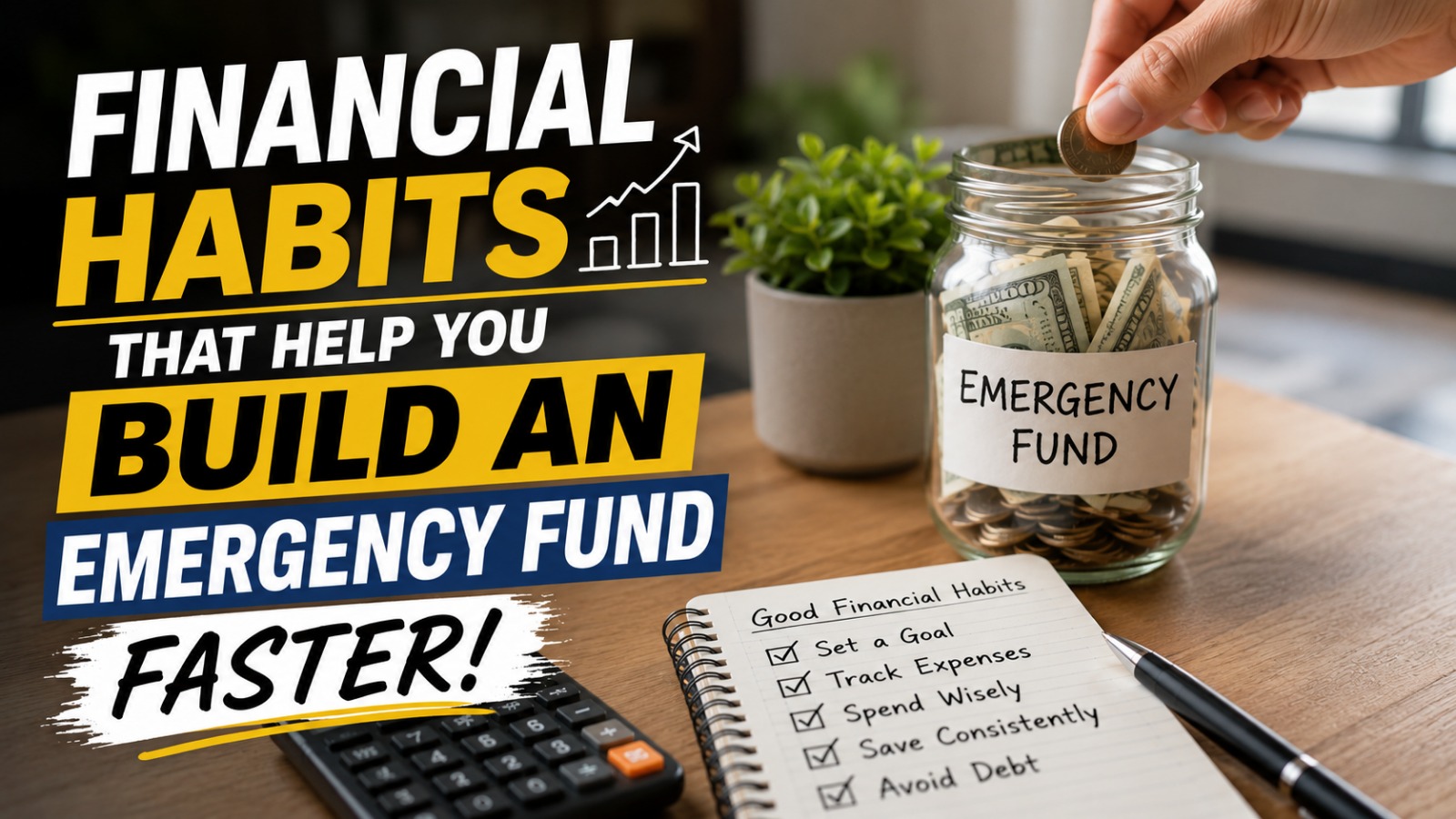
Building an emergency fund is one of the most effective ways to achieve financial stability. Unexpected expenses such as medical emergencies, vehicle repairs, job loss, or urgent home maintenance can happen at any time. Without emergency savings, these situations may force you to borrow money or rely on high-interest credit, creating additional financial pressure.
The good news is that building an emergency fund does not always require a high income. Instead, it depends on developing the right financial habits and maintaining consistency. By adopting smart money management practices, you can grow your emergency savings faster while strengthening your overall financial health.
SET CLEAR SAVINGS GOALS
The first step toward building an emergency fund is establishing a realistic savings target. Financial experts generally recommend saving enough to cover three to six months of essential living expenses. Having a clear goal helps you stay motivated and measure your progress over time.
Break your target into smaller monthly or weekly milestones to make the process feel more achievable. Reaching these smaller goals creates a sense of accomplishment and encourages you to continue saving. A structured plan also reduces the likelihood of giving up before reaching your target.
PAY YOURSELF FIRST
One of the most effective financial habits is following the pay yourself first principle. Instead of saving whatever money is left at the end of the month, transfer a portion of your income into your emergency fund immediately after receiving your paycheck. This ensures that saving becomes your top financial priority.
Setting up automatic transfers makes this habit even easier. Automation removes the temptation to spend your money before saving it. Over time, these regular contributions grow into a substantial emergency fund without requiring constant effort.
TRACK YOUR SPENDING HABITS
Monitoring your daily expenses allows you to identify unnecessary spending. Small purchases such as frequent coffee, dining out, or impulse shopping may seem harmless individually, but they can significantly reduce your ability to save. Tracking every expense helps you understand where your money goes each month.
Once you identify spending patterns, you can redirect unnecessary expenses toward your emergency fund. Even modest adjustments in your budget can increase your savings rate. Developing awareness of your financial habits leads to better long-term money management.
INCREASE YOUR SAVINGS WHEN YOUR INCOME GROWS
Whenever your income increases through a salary raise, bonus, freelance work, or side business, consider allocating part of the additional earnings directly to your emergency fund. Many people increase their spending immediately after earning more, a behavior known as lifestyle inflation. Avoiding this habit allows your savings to grow much faster.
Instead of spending every extra dollar, prioritize strengthening your financial security. Increasing your savings percentage after every income increase helps you reach your emergency fund target sooner. This strategy also supports long-term financial independence.
KEEP YOUR EMERGENCY FUND PROTECTED
Your emergency fund should always remain separate from your everyday spending account. Keeping the money in a safe and easily accessible savings account reduces the temptation to spend it on non-essential purchases. The primary purpose of this fund is to cover genuine emergencies only.
After using part of your emergency fund, make rebuilding it your next financial priority. Regularly reviewing your savings balance ensures that you always maintain sufficient financial protection. Consistent maintenance is just as important as building the fund itself.
CONCLUSION
Developing strong financial habits is the fastest and most reliable way to build an emergency fund. Setting clear goals, paying yourself first, tracking expenses, increasing savings with higher income, and protecting your savings all contribute to long-term financial stability.
An emergency fund is more than just money in a savings account. It provides confidence, reduces financial stress, and helps you overcome unexpected challenges without relying on debt. By practicing these habits consistently, you can achieve greater financial security and enjoy a more stable financial future.
About the Author
Gusti Ayu Tita P
Author — STEKOM University
An active author focused on academic issues, educational technology, and human resource development in the campus environment.















