
Financial Habits You Should Change When Inflation Rises
Gusti Ayu Tita P
26 Agustus 2026
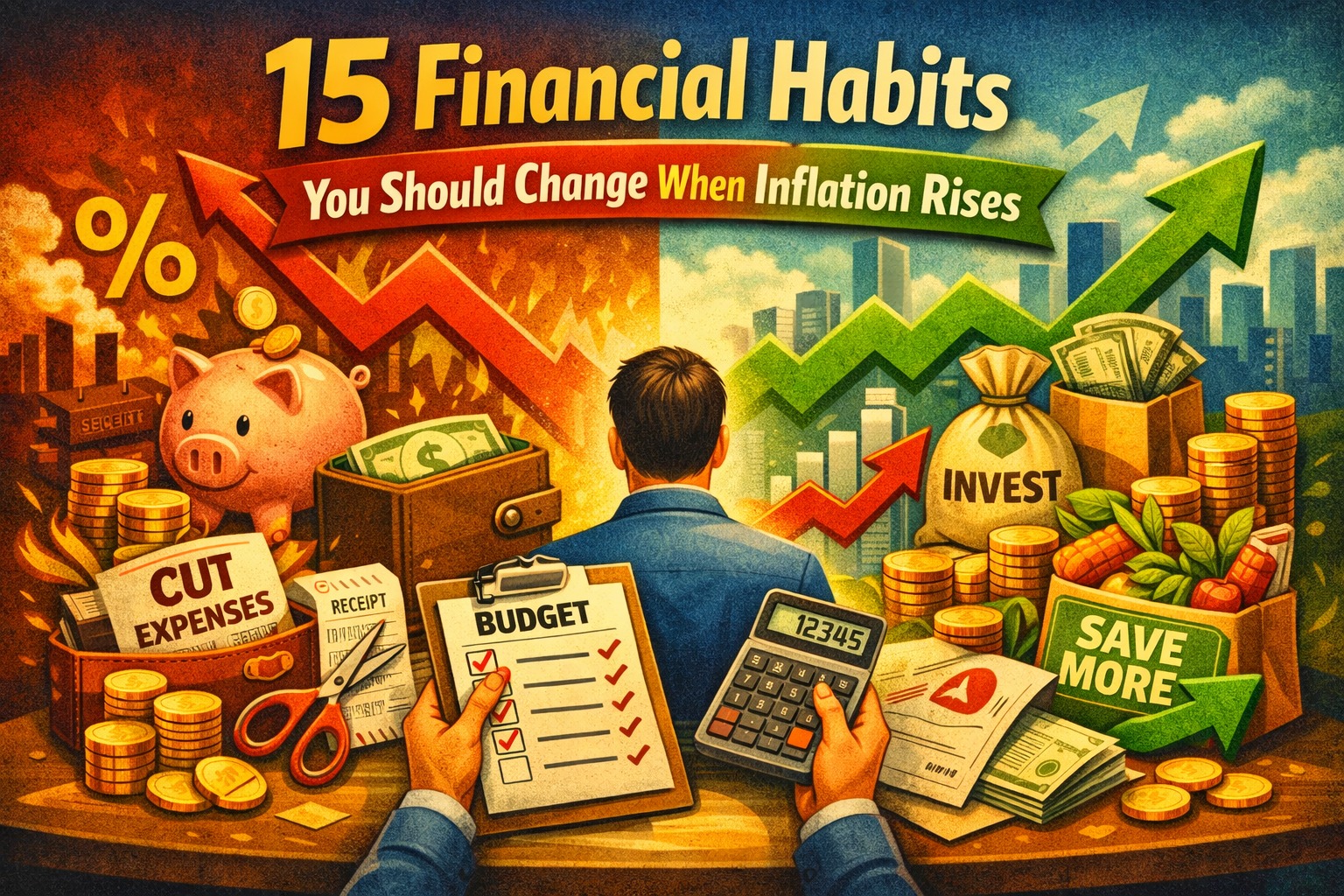
Inflation is more than just a buzzword in economic news—it directly affects how far your money can go. As prices for food, transportation, housing, and everyday essentials continue to climb, adjusting your financial habits becomes crucial. The good news is that small, smart changes can protect your purchasing power and help you stay financially secure even during uncertain times.
UNDERSTANDING HOW INFLATION AFFECTS YOUR MONEY
Inflation reduces the value of money over time. This means the same amount of cash buys fewer goods and services than before. Without adapting your financial habits, you may unknowingly lose wealth year after year. By making strategic changes early, you can reduce the impact and even find opportunities to grow your finances.
STOP IGNORING YOUR MONTHLY BUDGET
When inflation rises, budgeting becomes essential—not optional. Review your monthly expenses and categorize them into needs and wants. Identify areas where prices have increased and adjust your spending accordingly.
Focus on essential spending such as food, housing, and healthcare while limiting non-essential purchases.
BUILD A STRONGER EMERGENCY FUND
Higher prices often come with economic uncertainty. Job markets may shift and unexpected costs may appear. Strengthen your emergency fund to cover at least three to six months of living expenses.
Having this safety net helps you avoid debt when unexpected expenses arise.
AVOID KEEPING TOO MUCH CASH IDLE
Holding large amounts of cash in regular savings accounts can be risky during inflation because money loses value over time. Consider moving part of your savings into assets that have the potential to grow faster than inflation, such as diversified investments or high-yield savings options.
PRIORITIZE DEBT MANAGEMENT
Inflation often leads to rising interest rates. This makes borrowing more expensive. Focus on paying off high-interest debts like credit cards and personal loans as soon as possible.
Reducing debt frees up more income for savings and investments.
REEVALUATE YOUR SPENDING HABITS
Inflation is a perfect reminder to reassess spending behavior. Consider switching to more affordable brands, buying in bulk, or taking advantage of discounts and cashback programs.
Smart spending helps you maintain your lifestyle without overspending.
INVEST CONSISTENTLY, NOT EMOTIONALLY
Market volatility often increases during inflation. Instead of reacting emotionally to market changes, adopt a consistent investment strategy. Regular contributions and long-term thinking usually perform better than short-term reactions.
INCREASE YOUR INCOME STREAMS
Rising costs mean your current income may not stretch as far as before. Consider building additional income streams such as freelancing, digital businesses, or skill-based side projects.
Extra income helps offset the impact of rising prices.
TRACK YOUR SUBSCRIPTIONS
Subscription services can quietly drain your finances. Review all recurring payments and cancel services you rarely use. This simple habit can free up more money for essentials and savings.
SHOP SMART AND PLAN AHEAD
Impulse buying becomes more expensive during inflation. Plan your purchases, compare prices, and take advantage of promotions. Strategic shopping reduces unnecessary spending.
FOCUS ON LONG-TERM FINANCIAL GOALS
Inflation can feel overwhelming, but staying focused on long-term goals keeps your finances on track. Continue saving for retirement, education, and major life plans while adjusting your strategy as needed.
FINAL THOUGHTS
Inflation is unavoidable, but financial stress does not have to be. By adjusting your habits, strengthening savings, managing debt, and investing wisely, you can protect your financial future. Small changes made today can create long-term stability and peace of mind.
About the Author
Gusti Ayu Tita P
Author — STEKOM University
An active author focused on academic issues, educational technology, and human resource development in the campus environment.















