
Flag Ceremony as a Form of Patriotism Among Students
Gusti Ayu Tita P
5 Agustus 2026
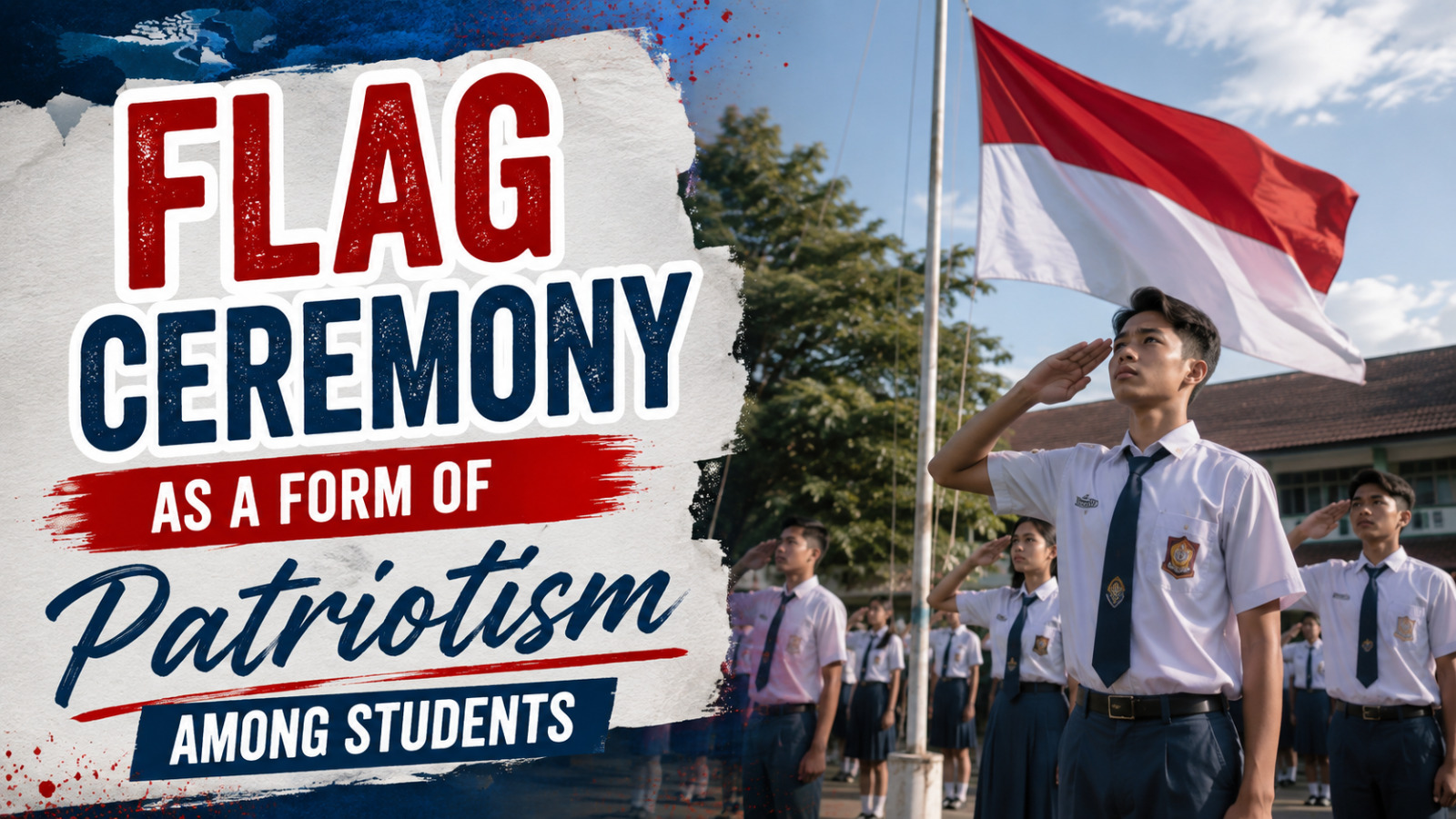
A flag ceremony is more than a regular school activity because it reflects students' patriotism and respect for their nation. Through this ceremony, students learn to honor the national flag, appreciate the sacrifices of national heroes, and understand the importance of unity. The activity also encourages positive values such as discipline, responsibility, and respect. Therefore, flag ceremonies remain an important part of character education in schools.
UNDERSTANDING PATRIOTISM
Patriotism is the feeling of love, pride, and loyalty toward one's country. For students, patriotism can be developed through simple but meaningful activities, including participating in a flag ceremony. During the ceremony, students show respect by standing properly, singing the national anthem, and following the event with seriousness. These actions help strengthen their emotional connection to their country. As a result, students become more aware of their role as future citizens.
Patriotism also encourages students to appreciate their country's history, culture, and diversity. By understanding the struggles that led to national independence, they develop greater respect for the achievements of previous generations. This awareness motivates them to contribute positively to their nation.
THE ROLE OF FLAG CEREMONIES
Flag ceremonies play a significant role in teaching students the meaning of national pride. Every part of the ceremony reminds students that freedom and peace are the results of great sacrifices made by national heroes. This understanding encourages students to value their country and protect its unity. It also teaches them to respect national symbols with sincerity. These experiences help build a stronger sense of patriotism.
In addition, the ceremony creates opportunities for students to practice responsibility and cooperation. Ceremony officers work together to ensure every activity runs smoothly, while participants contribute by following the rules respectfully. These experiences strengthen teamwork and mutual respect.
BUILDING POSITIVE CHARACTER
Besides encouraging patriotism, flag ceremonies also help build strong character. Students develop discipline by arriving on time, wearing the correct uniform, and following instructions throughout the ceremony. These habits improve their self-control and sense of responsibility. Over time, they become more organized and dependable in their daily lives. Such qualities support both academic success and personal development.
The ceremony also teaches students to respect teachers, classmates, and school regulations. By practicing these values regularly, students become more polite, cooperative, and caring toward others. These positive attitudes contribute to a healthy and supportive school environment.
THE RESPONSIBILITY OF SCHOOLS
Schools have an important responsibility in making flag ceremonies meaningful and educational. Teachers should explain the purpose and values behind each part of the ceremony so students understand its significance. This understanding helps students participate with genuine respect rather than simply following routines. Meaningful participation strengthens the impact of character education.
Schools should also encourage students to serve as ceremony officers. This experience develops leadership, confidence, and communication skills while teaching responsibility. Through regular participation, students become more prepared to contribute positively to both their school and society.
CONCLUSION
A flag ceremony is a meaningful expression of patriotism among students. It teaches respect for national symbols, strengthens national pride, and develops important values such as discipline, responsibility, and teamwork. With continuous support from schools and teachers, flag ceremonies help shape responsible, respectful, and patriotic young people who are ready to serve their communities and their country.
About the Author
Gusti Ayu Tita P
Author — STEKOM University
An active author focused on academic issues, educational technology, and human resource development in the campus environment.















