
Flag Ceremony Traditions and Character Development for Students
Gusti Ayu Tita P
5 Agustus 2026
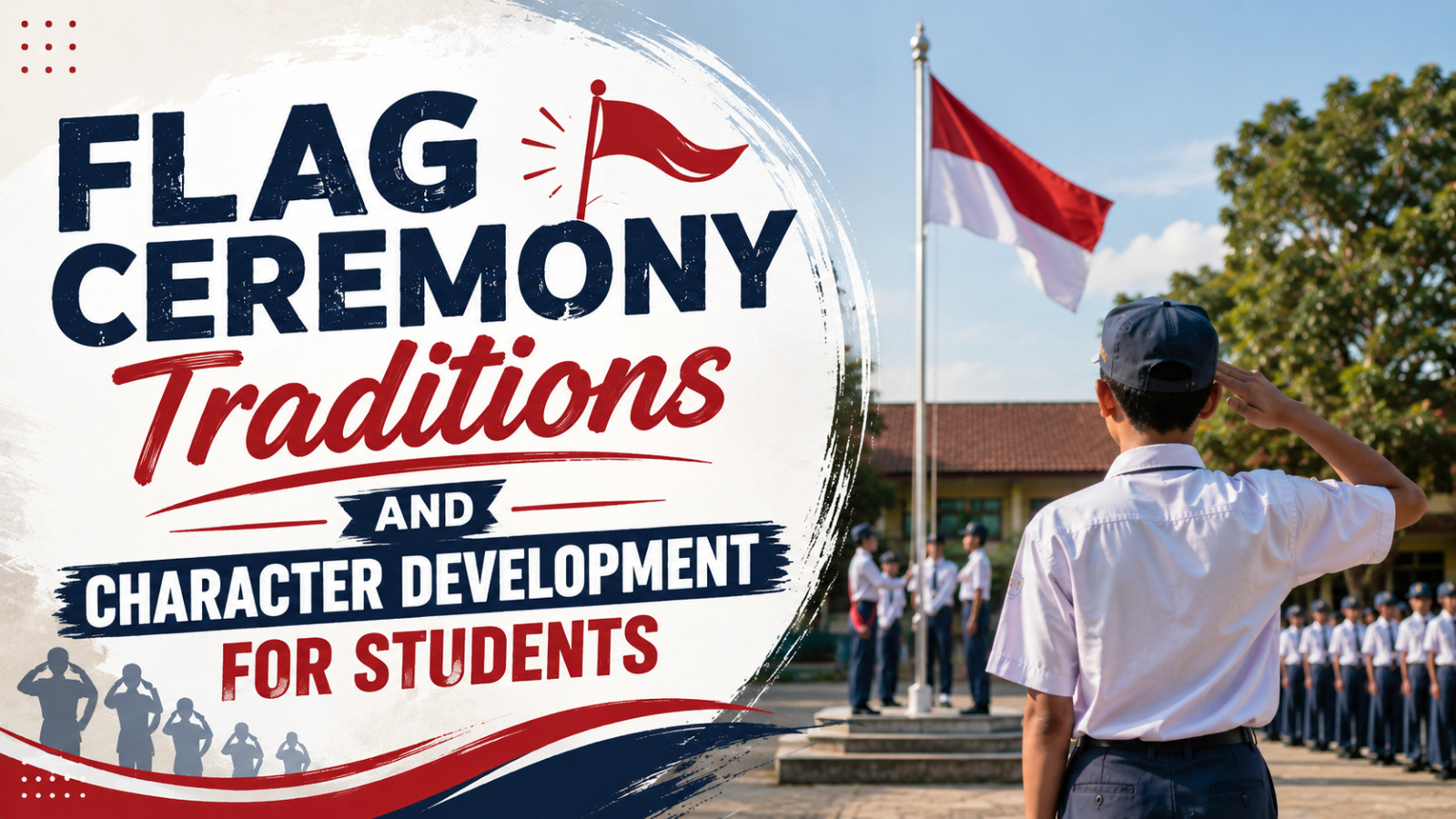
A flag ceremony is a long-standing tradition in many schools that plays an important role in student character development. More than a formal activity, it teaches students valuable qualities such as discipline, responsibility, respect, and patriotism. By participating regularly, students develop positive habits that shape their attitudes and daily behavior. For this reason, flag ceremony traditions continue to be an essential part of school education.
THE MEANING OF FLAG CEREMONY TRADITIONS
Flag ceremony traditions represent respect for the nation, school values, and the sacrifices made by national heroes. These traditions remind students that education is not only about academic achievement but also about developing good character. Through regular participation, students gain a stronger understanding of national identity and civic responsibility. They also learn to appreciate the importance of unity and cooperation. These lessons help students become more responsible members of society.
The tradition also strengthens students' connection with their school community. Standing together during the ceremony creates a sense of belonging and encourages mutual respect among students from different backgrounds. This shared experience supports a positive and inclusive learning environment.
BUILDING STRONG CHARACTER
One of the greatest benefits of flag ceremony traditions is their contribution to character development. Students are expected to arrive on time, wear proper uniforms, and participate respectfully throughout the ceremony. These consistent routines help develop discipline, responsibility, and self-control. Over time, these positive behaviors become lifelong habits. Strong character also helps students overcome challenges with confidence and integrity.
Students who participate as ceremony officers gain additional experience in leadership and teamwork. They learn to organize activities, communicate effectively, and complete important responsibilities. These practical experiences strengthen both personal and social skills.
PROMOTING PATRIOTISM AND UNITY
Flag ceremonies also encourage patriotism by helping students appreciate the meaning of national symbols and historical events. Singing the national anthem and honoring the national flag inspire pride in their country and respect for those who fought for independence. These activities help students understand the importance of protecting national unity. They also motivate students to contribute positively to society.
The ceremony brings together students from different cultural and social backgrounds. By participating in the same activity, students learn to value diversity, cooperate with others, and maintain harmony. These lessons are essential for building a united and respectful school community.
THE ROLE OF SCHOOLS AND TEACHERS
Schools and teachers have an important responsibility in preserving meaningful flag ceremony traditions. Teachers should explain the purpose behind each ceremony so students understand its educational value. When students recognize the significance of the activity, they participate with greater respect and enthusiasm. This understanding makes character education more meaningful.
Schools should also encourage students to serve as ceremony officers on a regular basis. These opportunities develop leadership, communication, and responsibility while increasing students' confidence. Active participation allows students to apply positive values in real situations.
CONCLUSION
Flag ceremony traditions play a significant role in character development for students. They strengthen discipline, responsibility, patriotism, leadership, and unity through meaningful experiences. With continuous support from schools and teachers, these traditions help prepare students to become responsible, confident, and ethical individuals who contribute positively to their communities and nation.
About the Author
Gusti Ayu Tita P
Author — STEKOM University
An active author focused on academic issues, educational technology, and human resource development in the campus environment.















