
Government Strategies for Collecting Public Aspirations in the Digital Era
Gusti Ayu Tita P
29 September 2026
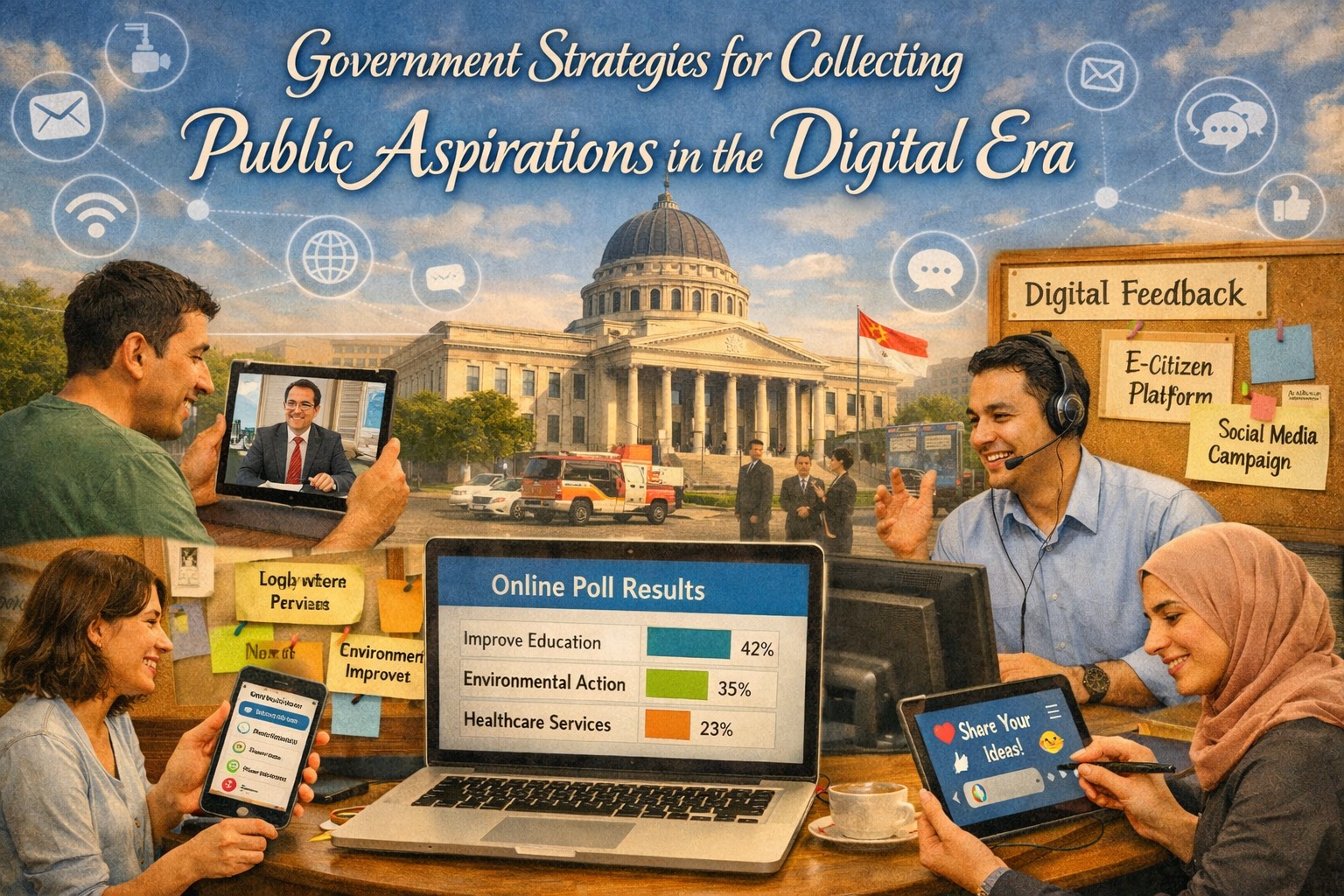
The digital era has transformed the way governments communicate with citizens. Instead of relying only on face-to-face meetings or paper-based surveys, governments can now gather public aspirations through digital platforms that are faster, more accessible, and more transparent. This transformation allows people from different regions to participate in decision-making regardless of geographical barriers. As a result, governments can better understand public needs and respond more effectively.
The use of digital technology also creates opportunities to strengthen public participation in governance. Citizens can share opinions, submit complaints, provide suggestions, and monitor government performance through online channels. However, successful implementation requires proper planning, secure systems, and continuous public engagement. Governments that adopt effective digital strategies are more likely to create policies that reflect the real needs of society.
IMPORTANCE OF COLLECTING PUBLIC ASPIRATIONS
Public aspirations represent the ideas, concerns, expectations, and recommendations expressed by citizens regarding government policies and public services. Gathering these aspirations helps governments identify social challenges before they become larger problems. It also provides valuable insights for developing policies that are practical and widely accepted by the community.
When governments actively listen to citizens, they strengthen public trust and encourage greater civic participation. People are more willing to contribute when they know their voices matter and influence public decisions. This collaborative relationship improves transparency and supports sustainable national development.
THE ROLE OF DIGITAL TECHNOLOGY IN PUBLIC ENGAGEMENT
The rapid growth of digital platforms has made communication between governments and citizens more efficient than ever before. Official websites, mobile applications, social media channels, and online consultation portals allow governments to receive feedback quickly from thousands of people. These technologies also enable authorities to analyze trends and prioritize urgent issues.
In addition, artificial intelligence, data analytics, and cloud computing help governments process large volumes of public input accurately. Instead of manually reviewing every suggestion, digital systems can categorize feedback based on themes, urgency, and geographical location. This approach saves time while improving the quality of decision-making.
GOVERNMENT STRATEGIES FOR COLLECTING PUBLIC ASPIRATIONS
One effective strategy is developing integrated digital platforms where citizens can submit ideas, complaints, and recommendations in a single location. A centralized platform simplifies communication, reduces duplication, and makes it easier for government agencies to coordinate responses. User-friendly interfaces also encourage greater participation from different age groups.
Another important strategy involves utilizing social media engagement. Governments can conduct online polls, live discussions, question-and-answer sessions, and digital campaigns to understand public opinions in real time. Since many citizens actively use social media every day, these platforms become powerful tools for gathering authentic community feedback.
Governments should also organize online public consultations before implementing major policies. Virtual forums and webinars provide opportunities for experts, community leaders, businesses, and ordinary citizens to express their perspectives. This inclusive process helps policymakers consider diverse viewpoints before making important decisions.
BENEFITS OF DIGITAL ASPIRATION COLLECTION
One major advantage of digital participation is faster communication. Citizens no longer need to travel to government offices to submit suggestions or complaints. Instead, they can communicate through smartphones or computers at any convenient time, increasing accessibility for more people.
Digital systems also improve transparency because citizens can often track the status of their submissions. Many governments provide notification systems that inform users when their feedback has been reviewed or resolved. This openness increases accountability and strengthens confidence in public institutions.
Another benefit is the availability of real-time data. Governments can identify emerging social issues quickly by analyzing online discussions and citizen feedback. Early identification allows authorities to implement timely solutions before problems become more serious.
CHALLENGES IN IMPLEMENTING DIGITAL PARTICIPATION
Despite many advantages, governments still face several obstacles when collecting public aspirations digitally. One challenge is the digital divide, where some citizens have limited internet access or lack digital literacy. Without equal access, valuable opinions from certain communities may not be represented.
Another significant concern is cybersecurity and data privacy. Governments must protect personal information from cyber threats while maintaining public confidence in digital platforms. Strong security systems, regular monitoring, and clear privacy policies are essential for ensuring safe participation.
Governments also need effective methods to filter misinformation, duplicate submissions, and irrelevant content. Advanced moderation systems and responsible digital governance help maintain the quality of collected information without limiting citizens' freedom of expression.
BEST PRACTICES FOR IMPROVING DIGITAL PUBLIC PARTICIPATION
Governments should continuously improve the usability of their digital platforms by ensuring they are simple, responsive, and accessible to people with different levels of digital skills. Mobile-friendly applications, multilingual support, and clear instructions encourage wider participation from diverse communities.
Public education is equally important. Citizens should understand how digital participation works, why their opinions matter, and how their contributions influence policymaking. Educational campaigns increase awareness and motivate more people to participate actively in government initiatives.
Finally, governments should regularly publish reports showing how public feedback has influenced policy decisions. Demonstrating real outcomes encourages continued engagement because citizens can clearly see the positive impact of their participation on national development.
CONCLUSION
The digital era has revolutionized the way governments collect public aspirations, making communication more efficient, transparent, and inclusive. Through digital platforms, public participation, social media engagement, and online consultation, governments can develop policies that better reflect the needs of society. Although challenges such as cybersecurity, digital inequality, and misinformation remain, they can be addressed through strong governance and continuous innovation. By embracing digital transformation responsibly, governments can strengthen democracy, improve public services, and build greater trust between citizens and public institutions.
About the Author
Gusti Ayu Tita P
Author — STEKOM University
An active author focused on academic issues, educational technology, and human resource development in the campus environment.



