Health Risks of Early Marriage for Mothers and Children
Gusti Ayu Tita P
1 Oktober 2026
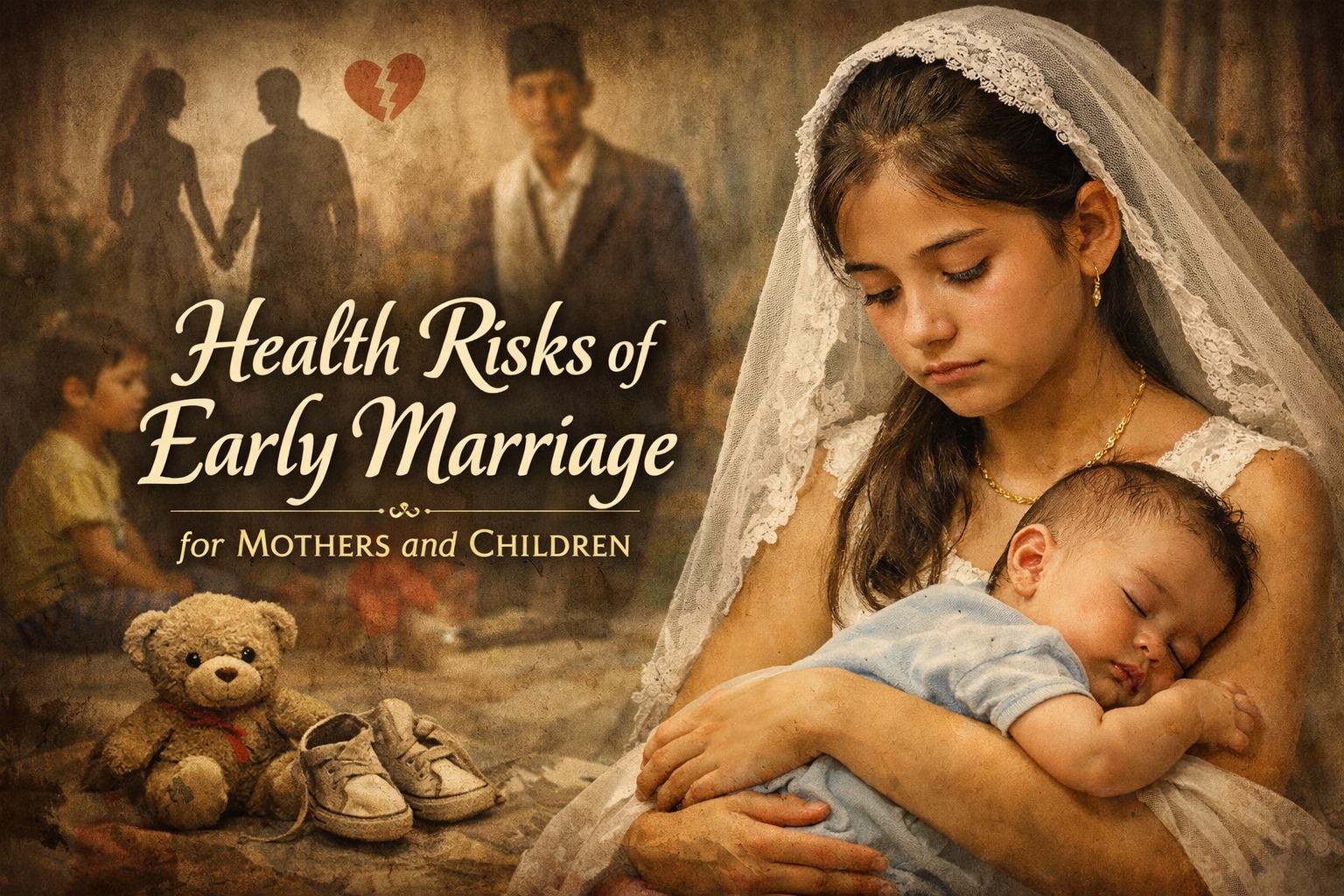
Early marriage remains a global issue that affects millions of girls and their families. While cultural, social, and economic factors often contribute to this practice, the health consequences can be severe for both mothers and children. Young girls who become pregnant before their bodies are fully developed face higher risks during pregnancy, childbirth, and postpartum recovery. Understanding these health risks is essential to encourage prevention, improve healthcare access, and protect the well-being of future generations.
WHY EARLY MARRIAGE INCREASES HEALTH RISKS
Early marriage often leads to pregnancy at a very young age when the female body is not yet physically mature. Adolescents are more likely to experience pregnancy complications because their reproductive systems are still developing. This increases the likelihood of conditions such as severe anemia, high blood pressure during pregnancy, and obstructed labor. In many cases, limited access to healthcare further worsens these risks.
Besides physical health concerns, young mothers often face emotional and psychological stress. They may struggle with anxiety, depression, and feelings of isolation due to the sudden responsibilities of marriage and parenthood. The lack of emotional readiness can also affect their ability to care for themselves and their babies. As a result, both maternal and child health may be negatively impacted.
HEALTH COMPLICATIONS FOR YOUNG MOTHERS
Pregnancy at a young age significantly raises the risk of serious medical complications. Young mothers are more vulnerable to excessive bleeding during childbirth, infections, premature labor, and pregnancy-induced hypertension. These complications can threaten both the mother's life and the baby's safety if not managed properly. Regular prenatal care is often less accessible for adolescent mothers, increasing the danger.
Recovery after childbirth may also take longer for young mothers because their bodies are still growing. Poor nutrition and limited knowledge about maternal health can slow healing and increase the risk of long-term health problems. In some cases, repeated pregnancies at an early age place additional strain on the body. Proper healthcare, nutrition, and family support are essential to reduce these risks.
IMPACT OF EARLY MARRIAGE ON CHILDREN'S HEALTH
Children born to adolescent mothers face greater health risks from the beginning of life. They are more likely to be born prematurely, have low birth weight, and experience developmental challenges. These conditions may increase the likelihood of illness during infancy and childhood. Early medical intervention can help improve health outcomes, but prevention remains the best solution.
The child's long-term health can also be affected by the mother's physical and emotional condition. Young mothers may have limited knowledge about nutrition, breastfeeding, and child healthcare. Economic difficulties often reduce access to quality healthcare and nutritious food. Together, these factors can influence the child's growth, cognitive development, and overall quality of life.
MENTAL AND SOCIAL CONSEQUENCES OF EARLY MARRIAGE
The health effects of early marriage extend beyond physical conditions. Young mothers frequently experience emotional pressure from balancing marriage, childcare, and social expectations. Many leave school early, reducing future employment opportunities and increasing financial dependence. These circumstances may contribute to chronic stress and poor mental health.
Children living in families affected by early marriage may also experience emotional challenges. Financial instability and parental stress can influence family relationships and child development. A supportive environment with access to education and healthcare can reduce these negative outcomes. Strengthening community awareness is an important step toward breaking this cycle.
HOW TO PREVENT THE HEALTH RISKS OF EARLY MARRIAGE
Preventing early marriage requires cooperation between families, schools, healthcare providers, and governments. Comprehensive education about reproductive health helps young people understand the physical and emotional consequences of early pregnancy. Encouraging girls to complete their education also reduces the likelihood of child marriage. Communities play a vital role in promoting healthy and informed life choices.
Healthcare services should be accessible to adolescents, including counseling and reproductive health information. Families should support open communication about health, education, and future goals. Strong legal protections against child marriage also contribute to reducing its prevalence. Combined efforts can create healthier futures for mothers, children, and entire communities.
CONCLUSION
Early marriage poses significant health risks for both mothers and children. Young mothers are more likely to experience pregnancy complications, while their children face higher risks of premature birth, low birth weight, and developmental problems. The physical, mental, and social consequences can have lasting effects on families and communities. By promoting education, improving healthcare access, and preventing child marriage, society can protect the health and future of young women and their children.
About the Author
Gusti Ayu Tita P
Author — STEKOM University
An active author focused on academic issues, educational technology, and human resource development in the campus environment.