How a Changing World Is Transforming the Future of Work?
Gusti Ayu Tita P
21 Oktober 2026
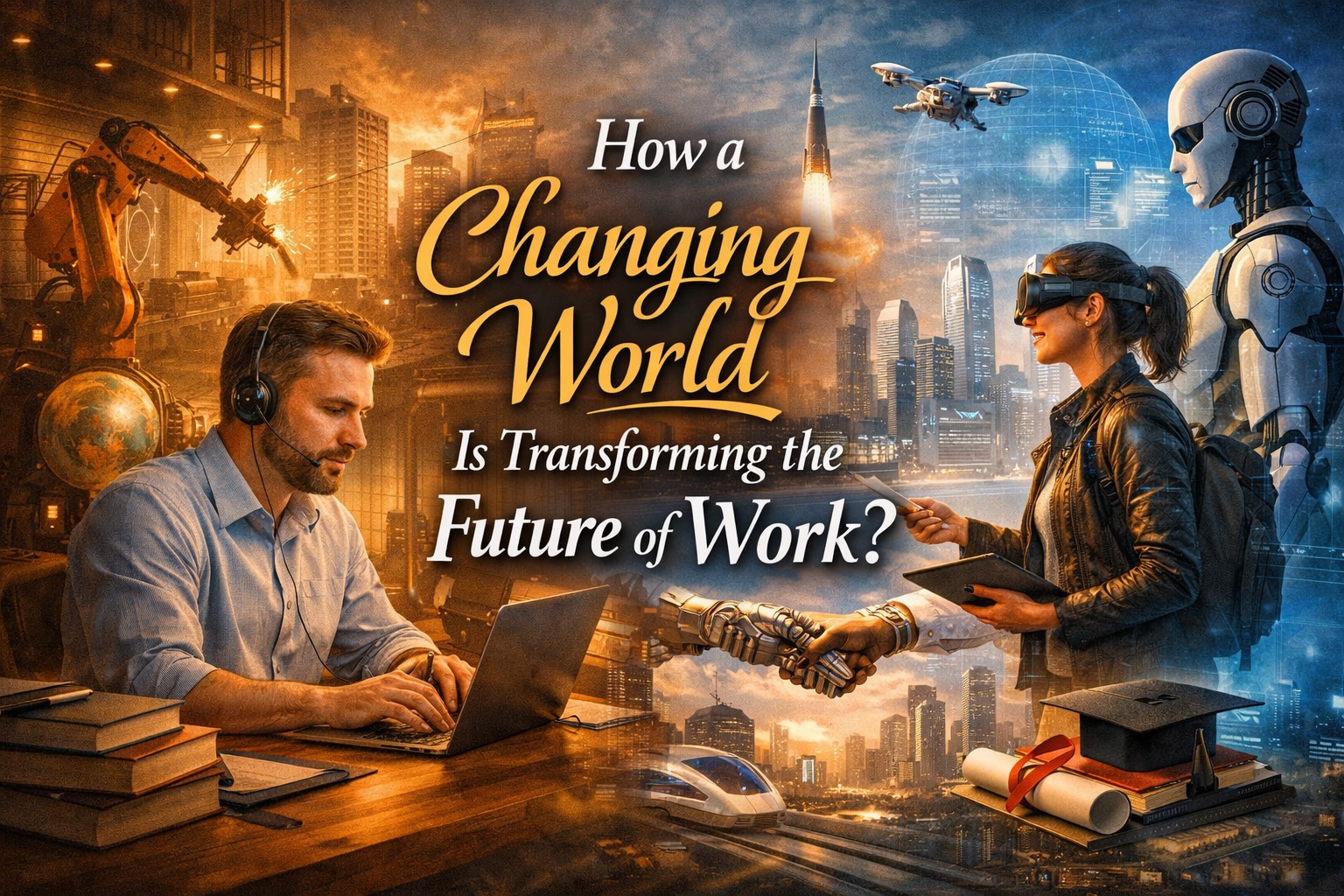
The world is evolving faster than ever before, bringing significant changes to the way people work, communicate, and build their careers. Digital transformation, artificial intelligence, automation, and global connectivity are reshaping industries across every sector. Traditional jobs are changing, while entirely new professions continue to emerge. As a result, individuals and organizations must adapt to remain competitive in this rapidly changing environment.
Understanding how these global shifts affect employment is essential for students, professionals, business owners, and policymakers alike. The future of work is no longer a distant concept—it is happening today. Those who embrace continuous learning and innovation will be better prepared to succeed in the modern workplace.
UNDERSTANDING THE CHANGING WORLD OF WORK
The modern workplace has undergone remarkable changes due to rapid technological advancements and globalization. Businesses increasingly rely on digital tools, cloud computing, remote collaboration platforms, and automated systems to improve productivity. Employees are expected to be more adaptable and capable of learning new technologies throughout their careers. This transformation affects nearly every industry, from healthcare and education to manufacturing and finance.
In addition to technology, changing consumer expectations and economic conditions also influence how companies operate. Organizations now prioritize flexibility, innovation, and faster decision-making to remain competitive. As businesses evolve, workers must develop both technical expertise and interpersonal abilities to meet new workplace demands. The ability to adapt has become one of the most valuable professional qualities.
THE IMPACT OF TECHNOLOGY ON THE FUTURE OF WORK
Technology is one of the primary drivers behind workplace transformation. Artificial intelligence (AI), machine learning, robotics, and automation are handling repetitive tasks more efficiently than ever before. This allows employees to focus on creative thinking, strategic planning, and complex problem-solving rather than routine activities. Many companies are using AI to improve customer service, analyze data, and streamline operations.
Rather than replacing every job, technology is changing job responsibilities. New careers in data science, cybersecurity, digital marketing, software development, and AI management continue to grow rapidly. Workers who continuously improve their digital skills will have greater opportunities for career advancement. Learning new technologies has become a lifelong requirement rather than a one-time achievement.
REMOTE WORK AND FLEXIBLE WORKING ARRANGEMENTS
One of the biggest workplace transformations is the rise of remote work and hybrid working models. Advances in communication technology allow employees to collaborate effectively from different locations around the world. Video conferencing, project management software, and cloud-based applications make teamwork possible without requiring everyone to be in the same office. This flexibility benefits both employers and employees by improving work-life balance and reducing commuting time.
Flexible work arrangements also allow businesses to hire talented professionals regardless of geographic location. Companies can build diverse teams with specialized expertise from different countries and cultures. However, successful remote work requires strong communication, self-discipline, and effective time management. Organizations must also invest in cybersecurity to protect sensitive business information.
THE GROWING IMPORTANCE OF DIGITAL SKILLS
As industries continue to modernize, digital skills have become essential for nearly every profession. Employees who understand data analysis, cloud computing, digital communication, and software applications are increasingly valuable. Even careers that were once considered traditional now require some level of digital literacy. Continuous skill development helps workers remain relevant in an evolving job market.
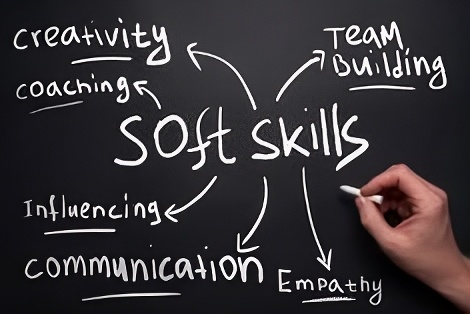
In addition to technical expertise, employers highly value critical thinking, problem-solving, creativity, and adaptability. These human-centered skills complement technology rather than compete with it. Professionals who combine technical knowledge with strong communication and leadership abilities often become the most successful employees. Investing in lifelong learning creates long-term career stability.
THE ROLE OF CONTINUOUS LEARNING AND RESKILLING
The rapid pace of change means that existing knowledge can quickly become outdated. Continuous learning allows professionals to stay informed about new technologies, industry trends, and evolving workplace practices. Many organizations now encourage employees to participate in online courses, certifications, workshops, and professional development programs. These opportunities help workers maintain their competitiveness in the labor market.
Reskilling and upskilling have become important strategies for both individuals and businesses. Employees gain new competencies that prepare them for changing job requirements, while companies benefit from a more capable workforce. Organizations that invest in employee development are often more innovative and productive. Lifelong education has become a key factor in career success.
CHALLENGES FACING THE FUTURE WORKFORCE
Although technological progress creates many opportunities, it also presents several challenges. Automation may reduce demand for certain repetitive jobs, requiring workers to transition into new roles. Some industries experience skill shortages because technology evolves faster than educational systems can adapt. Governments, educational institutions, and businesses must work together to prepare future workers.
Another challenge involves maintaining mental health, work-life balance, and employee well-being in increasingly digital workplaces. Constant connectivity can sometimes lead to stress and burnout if not managed properly. Organizations should encourage healthy work environments that support collaboration, flexibility, and employee wellness. A balanced approach helps create sustainable long-term productivity.
PREPARING FOR THE FUTURE OF WORK
Preparing for the future begins with developing a growth mindset and embracing continuous improvement. Individuals should actively build both technical and soft skills while remaining open to change. Networking, professional certifications, and practical experience also strengthen career opportunities in competitive industries. Adaptability is becoming just as valuable as formal education.
Businesses also play an important role by creating cultures that encourage innovation and learning. Companies that invest in employee development, digital transformation, and flexible work practices are more likely to succeed in changing markets. Collaboration between employers, educators, and governments can ensure that future workers possess the skills needed for tomorrow's economy. The future belongs to those who are willing to learn, innovate, and adapt.
CONCLUSION
The changing world is fundamentally reshaping the future of work through technological innovation, digital transformation, and evolving workforce expectations. While these changes present new challenges, they also create exciting opportunities for career growth, innovation, and global collaboration. Success in the modern workplace depends on continuous learning, adaptability, and the ability to combine technical expertise with essential human skills.
By embracing lifelong education, improving digital skills, and remaining flexible in the face of change, individuals can confidently navigate the evolving job market. As technology continues to advance, those who remain proactive and committed to personal development will be well-positioned for long-term professional success.
About the Author
Gusti Ayu Tita P
Author — STEKOM University
An active author focused on academic issues, educational technology, and human resource development in the campus environment.