
How A Gap Year Helps Students Build Skills And Discover Their Career Paths?
Gusti Ayu Tita P
14 Agustus 2026
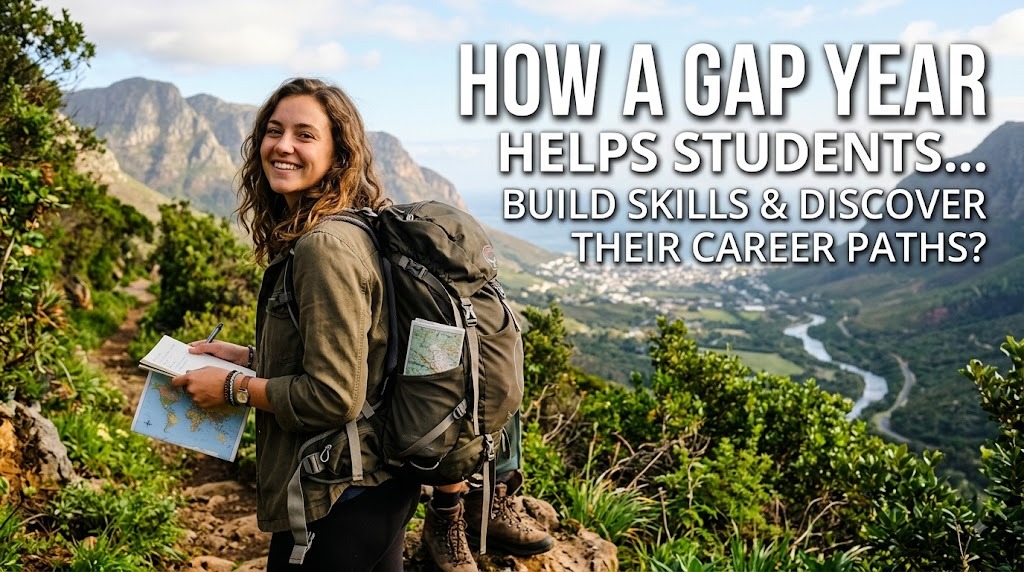
Taking a gap year can be a valuable choice for students who need time to understand their interests, develop practical abilities, and prepare for their future. Instead of immediately continuing to college or entering the workforce, students can use this period to gain meaningful experiences. A well-planned gap year is not simply a break from education, but an opportunity for personal growth and career exploration. Students can participate in internships, volunteer activities, courses, part-time jobs, or independent projects. These experiences can help them make more confident decisions about their education and career.
UNDERSTANDING THE PURPOSE OF A GAP YEAR
A gap year is a planned period when students temporarily pause their formal education before continuing to college, vocational training, or another educational path. The length and activities of a gap year can vary depending on the student's goals and circumstances. Some students use this time to work, travel, volunteer, take courses, or explore different professional fields. The most important point is to have a clear purpose and realistic plan. Without proper planning, a gap year may become unproductive and make it harder for students to reach their goals.
A productive gap year should provide experiences that support the student's future development. Students can set specific targets, such as improving communication skills, gaining work experience, or learning a new technical ability. They can also evaluate their progress regularly to understand whether their activities are helping them move forward. Planning and self-discipline are important because students are responsible for managing their own time. With the right approach, a gap year can become an important stage of preparation rather than simply a delay in education.
BUILDING PRACTICAL AND SOFT SKILLS
One major advantage of a gap year is the opportunity to develop practical skills outside the classroom. Working part-time, joining an internship, or helping with a community project can teach students how to handle real responsibilities. They may learn about teamwork, time management, problem-solving, customer service, communication, and basic professional behavior. These abilities are useful in both academic environments and workplaces. Real-world experiences can also help students understand how theoretical knowledge is applied in everyday situations.
A gap year can also strengthen soft skills that are difficult to develop through academic study alone. Students may become more independent when they have to make decisions and solve problems on their own. Working with people from different backgrounds can improve their communication and adaptability. Facing challenges can also increase confidence and resilience. These skills can become valuable assets when students eventually enter higher education or start their careers.
EXPLORING DIFFERENT CAREER OPTIONS
Many students feel uncertain about which career they should choose after finishing school. A gap year gives them more time to explore career interests before making a long-term educational commitment. For example, a student interested in marketing could try an internship in digital marketing, while someone interested in technology could take an introductory programming course. These experiences can reveal whether a particular field matches the student's interests and abilities. Discovering what they do and do not enjoy can make future decisions more informed.
Career exploration is especially useful because students sometimes choose a field based only on trends, family expectations, or assumptions about a profession. Direct experience can provide a more realistic picture of daily responsibilities and required skills. Students can talk to professionals, attend career events, join short courses, or observe different workplaces. Career exploration can therefore help reduce uncertainty and encourage students to choose an educational path that fits their goals.
DEVELOPING SELF AWARENESS AND CONFIDENCE
A gap year can give students time to understand their strengths, interests, values, and weaknesses. During school, students may focus heavily on grades and examinations, leaving limited time for personal reflection. A gap year can provide opportunities to discover what motivates them and what kind of environment helps them perform well. They can reflect on their experiences and identify activities that make them feel engaged. This self-awareness can influence future study and career decisions.
Experiencing new responsibilities can also improve self-confidence. Completing a project, earning income from part-time work, or successfully volunteering can show students that they are capable of handling challenges. Mistakes can become learning opportunities rather than reasons to give up. Over time, students can become more comfortable making decisions and taking responsibility for their choices. Greater confidence can help them approach college, training, and future employment with a more positive mindset.
GAINING WORK EXPERIENCE AND PROFESSIONAL EXPOSURE
Students who spend their gap year working or completing internships can gain early professional experience. They can learn how workplaces operate, how employees communicate, and why reliability and responsibility matter. Even entry-level positions can teach useful lessons about punctuality, teamwork, customer interaction, and completing tasks correctly. These experiences can also help students understand what employers expect from new workers. Such knowledge may make the transition from education to employment easier in the future.
Professional exposure can also help students build relationships with people in fields they are interested in. Supervisors, coworkers, teachers, mentors, and community members can provide useful advice about education and careers. Students may discover opportunities for further training or internships through these connections. However, students should focus on gaining meaningful experience rather than simply collecting activities for their resume. Quality of experience and lessons learned are more important than the number of activities completed.
USING A GAP YEAR PRODUCTIVELY
A successful gap year requires good time management and clear goals. Students can begin by identifying what they want to achieve by the end of the year. They can divide large goals into smaller monthly or weekly targets, such as completing a course, gaining work experience, or improving a particular skill. Keeping a simple record of activities and achievements can help students monitor their progress. This approach makes the gap year more structured and purposeful.
Students should also maintain a healthy balance between work, learning, rest, and personal activities. Taking a gap year does not mean that every day must be filled with formal activities. Rest and reflection can also contribute to personal development. However, students should avoid spending most of the year without direction because this can reduce the benefits of the experience. A balanced and structured plan can help students make the most of their available time.
PREPARING FOR THE NEXT EDUCATIONAL STEP
A gap year should ideally help students prepare for whatever comes next. Students planning to attend college can use the time to research programs, compare institutions, prepare applications, and strengthen relevant skills. Those considering vocational education can explore training programs and understand the requirements of their preferred field. Students who want to work can improve their resumes, practice interviews, and gain relevant experience. Preparation during a gap year can make the next transition more organized.
It is also important for students to maintain learning habits during this period. Reading, taking online courses, practicing professional skills, or working on personal projects can keep their minds active. Staying connected with education can make it easier to return to structured learning after the gap year. Students should also keep track of important application deadlines if they plan to continue their education. With careful preparation, a gap year can become a bridge between school and the student's next stage of life.
CONCLUSION
A gap year can help students build valuable skills, gain real-world experience, and discover suitable career paths. It provides opportunities to explore different interests before making important decisions about education and employment. Through work, internships, volunteering, courses, and personal projects, students can develop both practical and soft skills. They can also improve self-awareness, independence, confidence, and decision-making abilities. These benefits can support their academic and professional development in the long term.
However, a gap year is most effective when it is planned with clear goals and meaningful activities. Students should use the period to learn, explore, reflect, and prepare for their next step rather than simply postponing their education. When managed responsibly, a gap year can become a valuable learning experience that helps students make more informed choices about their future. Ultimately, the purpose is not to follow a particular timeline, but to create a path that supports personal development and career readiness.
About the Author
Gusti Ayu Tita P
Author — STEKOM University
An active author focused on academic issues, educational technology, and human resource development in the campus environment.















