How A Gap Year Helps Students Gain Early Experience In The Working World?
Gusti Ayu Tita P
14 Agustus 2026
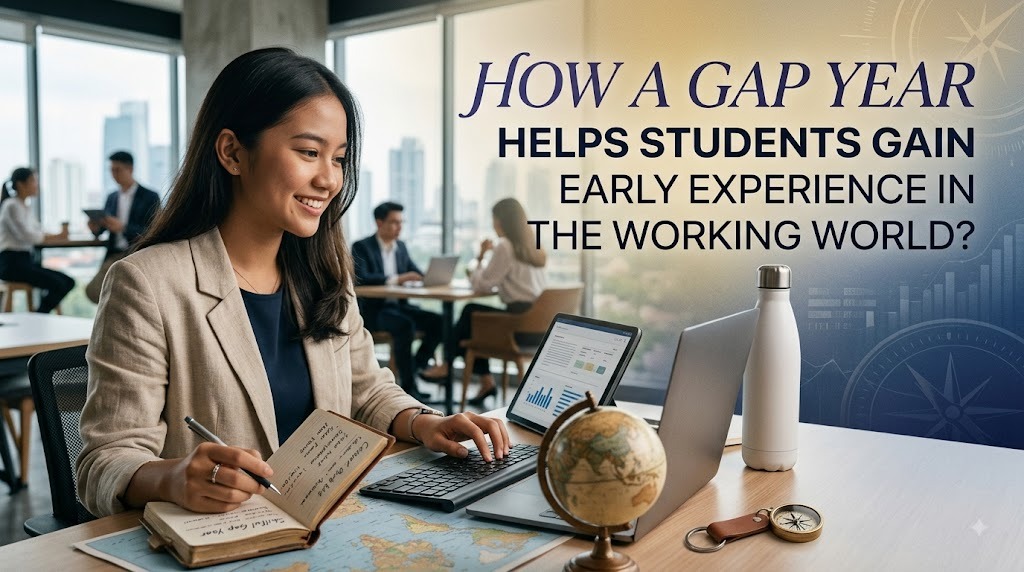
A gap year can give students valuable opportunities to experience the working world before continuing their education or starting a long-term career. Instead of spending the entire period without direction, students can use the time to work part-time, join internships, volunteer, or complete practical projects. These experiences can introduce students to real workplace responsibilities that are different from classroom activities. They can also help students understand their strengths, interests, and professional expectations. When planned carefully, a gap year can become a useful bridge between school and the workplace.
UNDERSTANDING THE VALUE OF EARLY WORK EXPERIENCE
Early work experience allows students to understand how professional environments operate. In school, students usually follow academic schedules and complete assignments designed for learning. In the workplace, they may need to meet deadlines, communicate with colleagues, follow procedures, and take responsibility for real tasks. This difference can teach students important lessons about professional responsibility and independence. Even simple jobs can provide experiences that are useful for future careers.
Students can also learn what employers expect from workers. They may discover that academic knowledge is only one part of professional success. Communication, reliability, teamwork, adaptability, and problem-solving are also highly valuable. Experiencing these expectations early can help students prepare themselves before entering full-time employment. It can also make the transition from education to work less intimidating.
GAINING PRACTICAL WORKPLACE SKILLS
A gap year can help students develop practical workplace skills through real responsibilities. Depending on the activity, students may learn customer service, administration, digital tools, sales, communication, project management, or basic technical skills. These abilities can complement what they have learned in school. Practical experience also helps students understand how knowledge is applied in real situations. This makes learning more connected to their future goals.
Students should actively reflect on the skills they gain from every experience. For example, working in a store can improve communication and customer service, while an internship in an office may develop organizational and administrative abilities. Students can record their responsibilities and achievements to help them recognize their progress. Skill development becomes more valuable when students understand how each experience can support their future education or career. This reflection can also help them identify areas that need further improvement.
LEARNING PROFESSIONAL COMMUNICATION
Communication is one of the most important skills students can develop during a gap year. In a workplace, they may need to communicate with supervisors, coworkers, customers, or clients. They must learn how to explain ideas clearly, listen carefully, and respond appropriately. Professional communication can also involve writing emails, preparing messages, answering questions, or participating in meetings. Effective communication can influence how well people work together.
Students may initially feel nervous when communicating with experienced professionals. However, repeated practice can gradually improve their confidence. They can learn how to ask questions politely and request clarification when instructions are unclear. They can also learn how to accept feedback without becoming defensive. Professional communication skills can remain useful throughout their academic and working lives.
DEVELOPING TIME MANAGEMENT AND DISCIPLINE
The workplace can teach students that time management and discipline are essential. Employees are generally expected to arrive on time, complete assignments according to deadlines, and organize their responsibilities. Students can learn how to prioritize tasks when several responsibilities need attention at the same time. These habits can also be useful when they return to formal education. Developing discipline early can make future academic and professional responsibilities easier to manage.
Students can also learn from the consequences of poor time management. Missing a deadline or arriving late may affect coworkers and the overall workflow. These experiences can teach students to plan ahead and communicate when problems arise. Accountability is an important part of professional development. By learning these lessons during a gap year, students can become more prepared for future responsibilities.
EXPLORING DIFFERENT CAREER PATHS
A gap year gives students an opportunity to explore career options before committing to a particular educational or professional path. They can try internships, part-time jobs, volunteer positions, or short-term projects in different industries. Experiencing different environments can help students discover which types of work they enjoy. It can also show them which tasks or environments they would prefer to avoid. This information can be valuable when choosing a university major or vocational program.
Career exploration is more useful when students reflect on each experience. They can ask themselves whether the work matches their interests, strengths, and long-term goals. Talking to supervisors or professionals can also provide insights into career requirements. Direct workplace exposure can give students a more realistic understanding of professions than assumptions based only on social media or general information. This can lead to better-informed educational decisions.
MAKING THE GAP YEAR PRODUCTIVE
A gap year is most beneficial when students have clear goals and a practical plan. They can decide which skills they want to develop, what industries they want to explore, and what experiences they hope to gain. Goals can be divided into monthly or weekly targets to make progress easier to monitor. Students should also keep records of important responsibilities, projects, and achievements. This information can later be useful when creating resumes or portfolios.
Students should maintain a balance between work, education, rest, and personal development. A productive gap year does not mean working every day without breaks. Online courses, reading, workshops, personal projects, and volunteering can complement workplace experiences. Balance and consistency can help students gain meaningful experience without becoming overwhelmed. The objective is to finish the gap year with greater skills, confidence, and career awareness.
PREPARING FOR FUTURE EDUCATION AND CAREERS
The experience gained during a gap year can help students make more informed decisions about their next step. Students who plan to attend university can use their work experiences to choose majors that match their interests. Those planning to enter vocational training can identify skills they need to strengthen. Students who want to work can improve their resumes, portfolios, and interview abilities. Career readiness can therefore become one of the major benefits of a well-planned gap year.
Students should also evaluate their experiences before deciding what to do next. They can identify which skills improved, which activities were meaningful, and which career areas attracted their interest. This reflection can prevent students from choosing a path based only on assumptions. Experience-based decision-making can help students approach their future with greater clarity. The lessons learned during a gap year can remain valuable even when students move into a different field.
CONCLUSION
A gap year can help students gain early work experience, practical skills, confidence, and career awareness before entering higher education or full-time employment. Through internships, part-time jobs, volunteering, and projects, students can experience responsibilities that are different from classroom learning. They can develop communication, time management, teamwork, problem-solving, and professional discipline. They can also explore different careers and discover what type of work suits their interests and abilities. These experiences can make the transition into professional life more prepared and manageable.
However, a gap year becomes valuable when it is used with purpose and consistency. Students should set realistic goals, choose meaningful activities, reflect on their experiences, and maintain a healthy balance between work and personal development. The goal is not simply to fill time but to gain knowledge and skills that can support future decisions. With thoughtful planning, a gap year can become an important stage of personal and professional growth. Ultimately, early workplace experience can help students enter their next stage with greater confidence, practical knowledge, and clearer career direction.
About the Author
Gusti Ayu Tita P
Author — STEKOM University
An active author focused on academic issues, educational technology, and human resource development in the campus environment.