
How an Emergency Fund Supports Long Term Financial Freedom
Gusti Ayu Tita P
6 Agustus 2026
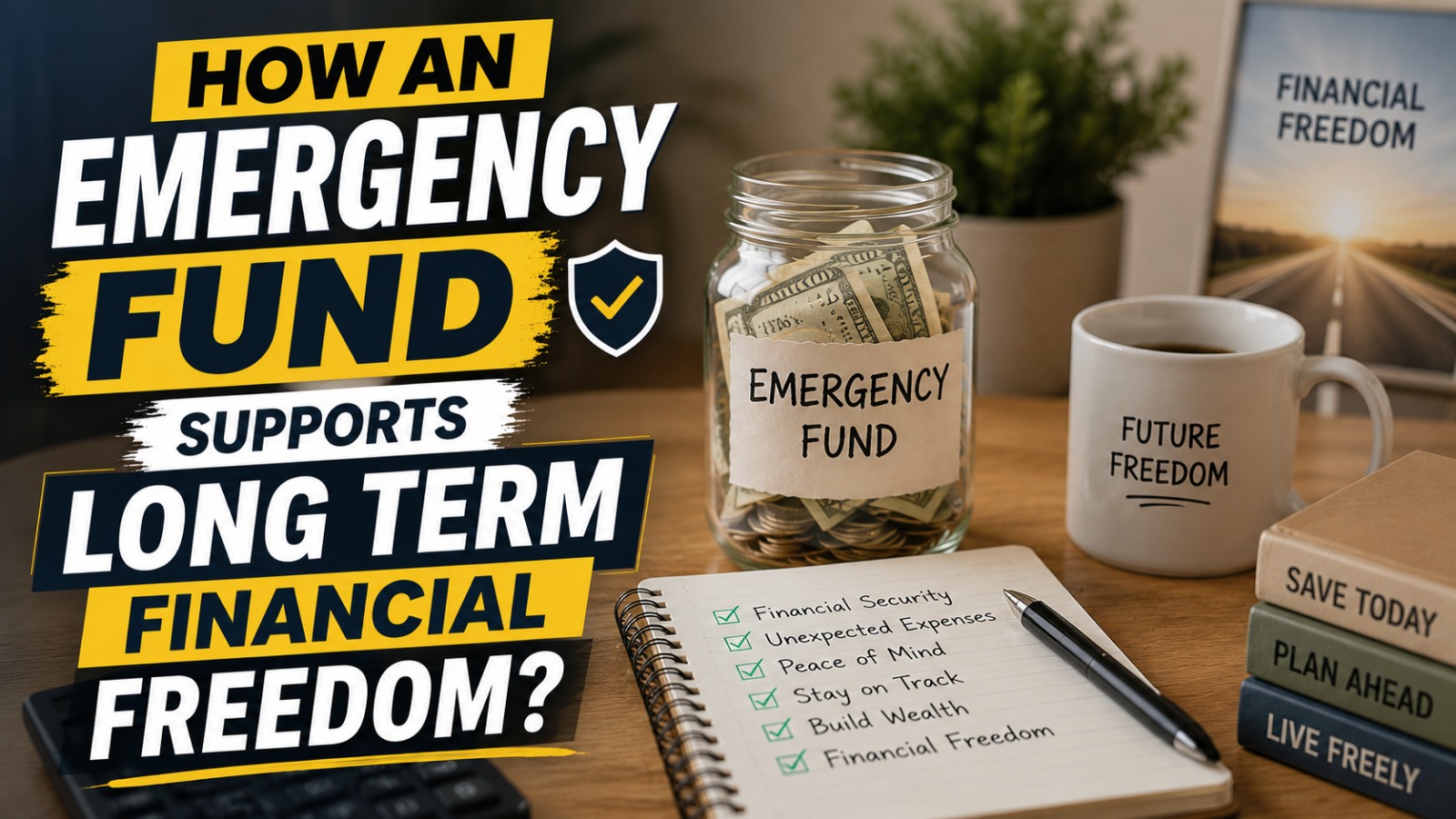
Achieving financial freedom is a goal shared by many people, but it requires careful planning and disciplined financial habits. One of the most important foundations of this journey is having a strong emergency fund. Unexpected situations such as medical emergencies, job loss, or urgent home repairs can quickly disrupt financial plans if there are no savings available.
An emergency fund acts as a financial safety net, allowing you to handle unexpected expenses without relying on debt or withdrawing long-term investments. It protects your financial progress and gives you greater confidence in making important life decisions. This article explains how an emergency fund supports long-term financial freedom and why it should be a priority in every financial plan.
WHY AN EMERGENCY FUND IS ESSENTIAL
An emergency fund is money reserved specifically for unexpected financial situations. Unlike regular savings, this fund should only be used for genuine emergencies and not for planned purchases or entertainment expenses. Having dedicated emergency savings ensures that unexpected events do not interfere with your daily financial responsibilities.
In addition, an emergency fund reduces financial stress by providing immediate access to cash when it is needed most. Instead of depending on loans or credit cards with high interest rates, you can solve urgent financial problems using your own savings. This creates greater financial stability and supports healthier money management.
HOW AN EMERGENCY FUND PROTECTS YOUR FINANCIAL GOALS
One of the biggest benefits of an emergency fund is protecting your long-term financial objectives. Without emergency savings, many people are forced to withdraw money from retirement accounts or investment portfolios when unexpected expenses occur. This interrupts wealth-building efforts and reduces future financial growth.
An emergency fund allows your investments to remain untouched during difficult times. As a result, your money continues to grow through compound returns while your emergency savings handle short-term financial challenges. This separation between emergency savings and investments is essential for achieving lasting financial freedom.
REDUCING DEBT AND IMPROVING FINANCIAL CONFIDENCE
Unexpected expenses often lead people to rely on credit cards or personal loans. While borrowing may solve immediate financial problems, it can also create long-term debt that becomes difficult to repay. High interest payments reduce disposable income and make it harder to save for future goals.
Having an emergency fund helps you avoid unnecessary borrowing. Paying unexpected expenses with your own savings protects your financial health and improves your confidence when managing money. This confidence encourages better financial decisions and supports a more secure financial future.
BUILDING AN EMERGENCY FUND EFFECTIVELY
Creating an emergency fund begins with calculating your essential monthly expenses. Financial experts generally recommend saving enough to cover three to six months of living costs for employees and six to twelve months for freelancers or individuals with irregular income. Setting a realistic target makes the saving process more manageable.
Save consistently by transferring a portion of your income into a separate savings account every month. Even small contributions become significant over time when combined with discipline and consistency. Keeping the money in a safe and easily accessible account ensures that it is available whenever a genuine emergency occurs.
MAINTAINING LONG TERM FINANCIAL FREEDOM
Building an emergency fund is only the beginning. Reviewing your savings regularly ensures that your emergency fund continues to match your current financial responsibilities. As your income, family size, or living expenses increase, your emergency savings target should also be adjusted.
Avoid using the emergency fund for non-essential purchases such as vacations or luxury items. Every time the fund is used for a genuine emergency, prioritize rebuilding it as quickly as possible. Maintaining this habit strengthens your financial foundation and keeps you on track toward long-term financial freedom.
CONCLUSION
An emergency fund is more than just a savings account. It provides essential financial protection, reduces dependence on debt, and allows your long-term investments to continue growing without interruption. These advantages make it one of the most valuable tools for achieving lasting financial freedom.
By saving consistently, protecting your emergency fund, and reviewing your financial goals regularly, you can build greater financial confidence and resilience. A well-maintained emergency fund supports long-term financial stability and helps you face unexpected challenges without compromising your future.
About the Author
Gusti Ayu Tita P
Author — STEKOM University
An active author focused on academic issues, educational technology, and human resource development in the campus environment.















