How Campus Student Organizations Help Students Build Professional Networks?
Gusti Ayu Tita P
11 Juli 2026
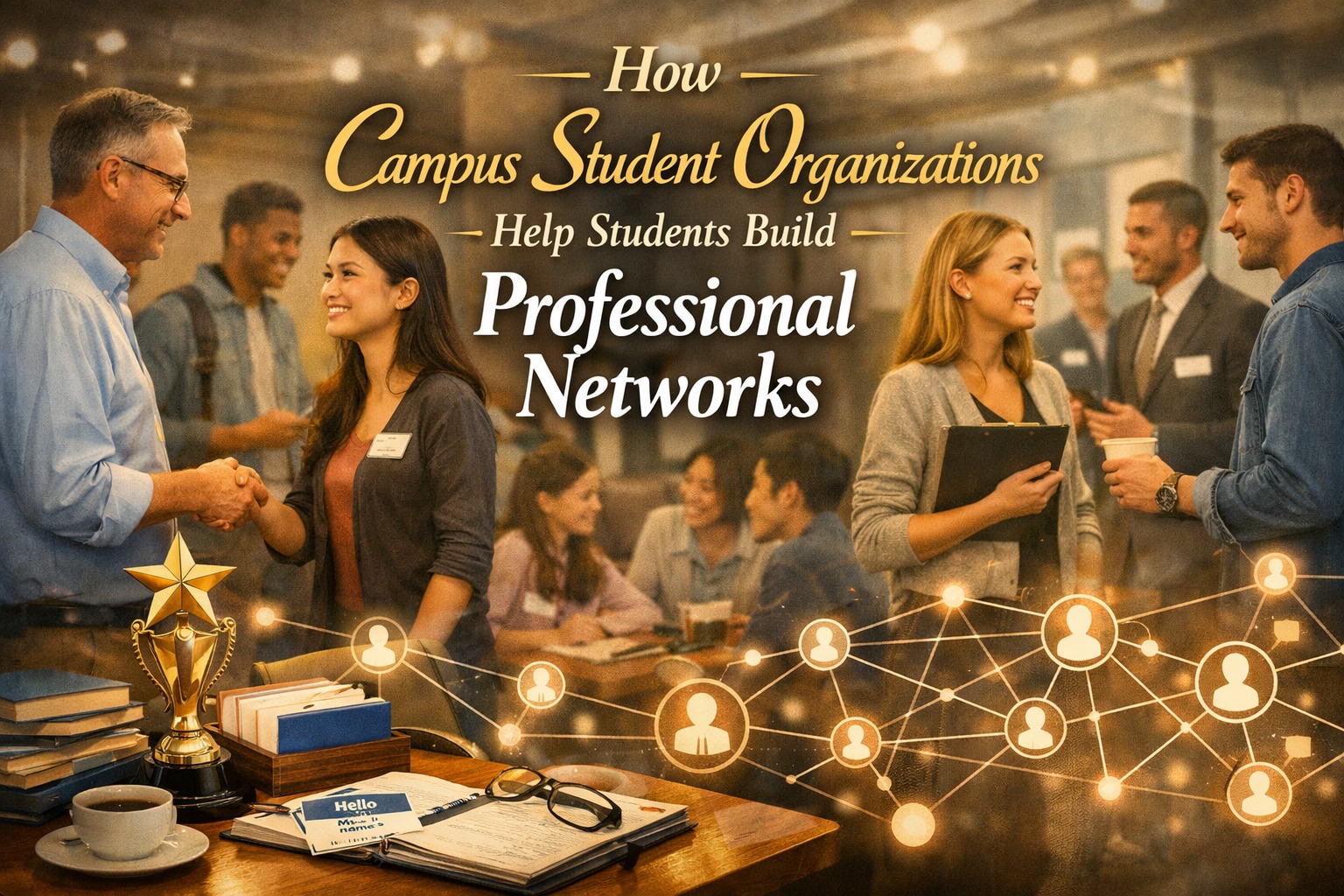
Campus student organizations offer much more than social activities and extracurricular experiences. They provide students with valuable opportunities to build professional networks, develop career skills, and connect with people who can support their future goals. Through active participation, students gain practical experience while expanding relationships with peers, faculty members, alumni, and industry professionals.
Building a strong professional network during college can create long-term career advantages. Students who engage in campus organizations often discover internship opportunities, receive career advice, and improve their confidence in professional environments. This article explains how campus student organizations help students establish meaningful professional connections that benefit both their academic journey and future careers.
EXPAND CONNECTIONS WITH STUDENTS FROM DIFFERENT BACKGROUNDS
Joining a campus student organization allows students to meet people from various academic majors, cultures, and personal experiences. These diverse relationships encourage collaboration, broaden perspectives, and improve communication skills. Working together on organizational projects also strengthens trust and mutual understanding among members.
Many of these friendships eventually develop into valuable professional relationships. Former organization members may become future colleagues, business partners, or industry contacts. Maintaining these connections creates a reliable network that can provide support throughout a student's career.
CONNECT WITH FACULTY MEMBERS AND CAMPUS LEADERS
Campus organizations frequently work with faculty advisors, department leaders, and university administrators. These interactions help students build professional relationships with experienced individuals who can provide guidance and mentorship. Faculty members often recognize active students who demonstrate leadership and responsibility.
Strong relationships with professors and campus leaders may lead to recommendation letters, research opportunities, scholarships, or career referrals. Their advice can also help students make informed decisions about academic pathways and professional development.
MEET INDUSTRY PROFESSIONALS THROUGH EVENTS
Many student organizations organize seminars, workshops, conferences, and guest speaker sessions featuring professionals from different industries. These events allow students to learn directly from experts while asking questions about career paths and workplace expectations. Meeting professionals in person helps students gain valuable insights beyond classroom learning.
Students who actively participate in these activities often leave a positive impression on industry representatives. Professional conversations during networking sessions may open opportunities for internships, mentoring, or future employment after graduation.
DEVELOP COMMUNICATION AND LEADERSHIP SKILLS
Professional networking is not only about meeting people but also about building meaningful relationships through effective communication. Student organizations provide many opportunities to practice public speaking, teamwork, negotiation, and interpersonal communication. These experiences increase students' confidence when interacting with professionals.
Leadership positions further strengthen these abilities by requiring students to manage projects, coordinate teams, and solve organizational challenges. Employers highly value candidates who demonstrate both technical knowledge and strong leadership skills gained through campus involvement.
ACCESS MORE INTERNSHIP AND CAREER OPPORTUNITIES
A strong professional network often leads to greater access to internships, part-time jobs, and full-time career opportunities. Alumni and industry partners frequently share job openings with student organizations because they trust the quality of active members. Networking also allows students to learn about opportunities before they are publicly advertised.
Students who maintain professional relationships are more likely to receive career recommendations and referrals. These connections can significantly improve their chances of securing competitive positions after graduation.
BUILD A STRONG PROFESSIONAL REPUTATION
Active participation helps students establish a positive professional reputation within their campus community. Being known as responsible, cooperative, and committed makes others more willing to recommend or collaborate with them in the future. A good reputation often becomes one of the strongest personal assets in professional networking.
Consistency is essential when building credibility. Students who contribute positively to organizational activities demonstrate reliability and professionalism that employers and industry professionals appreciate. This reputation can continue benefiting them long after completing their university education.
CONCLUSION
Campus student organizations play a significant role in helping students build professional networks that support long-term career success. Through collaboration, leadership experiences, faculty interactions, and industry events, students gain valuable connections that extend beyond college life. By participating actively and maintaining positive relationships, students develop stronger communication skills, increase career opportunities, and prepare themselves for a successful professional future.
About the Author
Gusti Ayu Tita P
Author — STEKOM University
An active author focused on academic issues, educational technology, and human resource development in the campus environment.