
How Can Childhood Wounds Affect Your Relationships with Others?
Gusti Ayu Tita P
11 September 2026
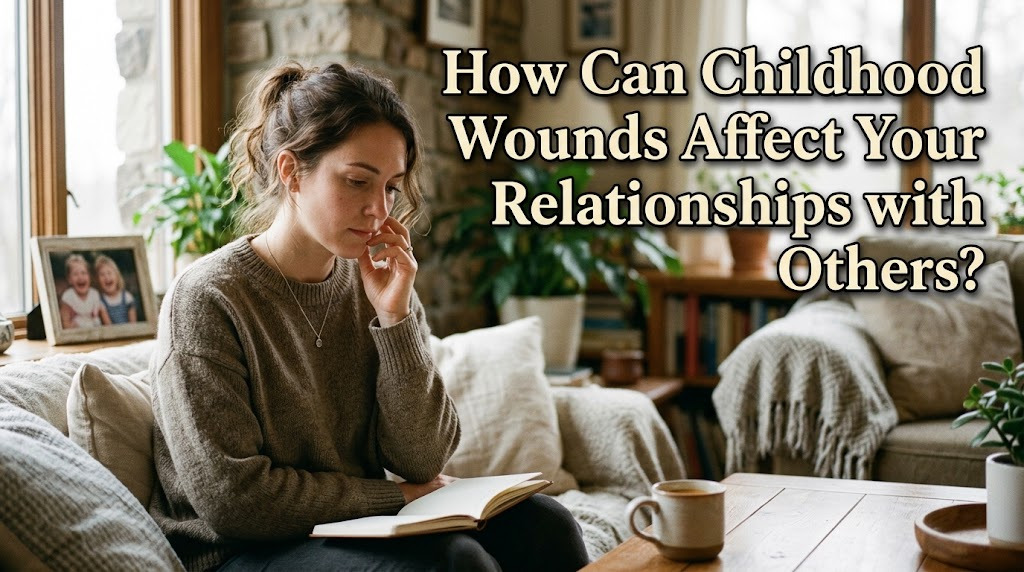
Childhood experiences can play a role in how people learn about trust, communication, emotions, and relationships. The term childhood wounds is often used to describe difficult emotional experiences that may continue to influence a person's thoughts or behavior. However, it is important to remember that childhood is only one possible influence, while current experiences, personality, environment, and later relationships can also shape how someone interacts with others.
Understanding these possible connections can encourage greater self awareness. Instead of assuming that every relationship difficulty comes from the past, a person can observe their current patterns and consider different factors that may contribute to them. This approach can help people develop healthier communication and relationships over time.
CHILDHOOD EXPERIENCES AND TRUST
Children gradually learn how relationships work through interactions with parents, caregivers, teachers, siblings, friends, and other people around them. Consistent support and respectful communication may contribute to a sense of trust and security. Difficult or inconsistent experiences may sometimes make it harder for someone to feel comfortable trusting others later in life.
Trust, however, can develop and change through new experiences. A person who has difficulty trusting others can gradually learn to recognize reliable behavior and establish healthy relationships. Understanding the inner child can provide one perspective for reflecting on these patterns without assuming that childhood completely determines how someone relates to others.
DIFFICULTY EXPRESSING FEELINGS
Some people may find it challenging to communicate their emotions, especially when conversations involve disagreement or vulnerability. They may remain silent, avoid difficult discussions, or struggle to explain what they need. These patterns can sometimes be related to earlier experiences in which expressing emotions did not feel comfortable or encouraged.
Communication skills can be learned at any stage of life. Using simple and respectful statements about feelings and needs can make conversations easier. Developing healthy communication can help people express themselves more clearly while also learning to listen to the perspectives of others.
FEAR OF REJECTION OR BEING LEFT OUT
Difficult childhood experiences may sometimes contribute to increased sensitivity to rejection or exclusion. A person may worry that a friend is upset with them or become anxious when communication changes. These reactions can feel strong, but they do not necessarily mean that rejection is actually happening.
Learning to distinguish between feelings and facts can support greater emotional awareness. Before making assumptions, a person can consider what they know about the current situation and whether there may be another explanation. Developing self acceptance can also reduce the pressure to gain approval from everyone.
RELATIONSHIP PATTERNS CAN DEVELOP OVER TIME
Repeated experiences can contribute to patterns in the way people approach relationships. Someone may avoid conflict, seek frequent reassurance, have difficulty setting boundaries, or become overly concerned about other people's opinions. These behaviors can have different causes and are not automatically signs of a wounded inner child.
The important step is recognizing whether a pattern is helping or creating difficulties. Self reflection can help people identify behaviors they would like to change and consider healthier alternatives. With new experiences and appropriate support, relationship patterns can develop and change over time.
BUILDING HEALTHIER RELATIONSHIPS
Understanding possible childhood influences can be useful, but focusing only on the past is not necessary. Healthy relationships can be built through respectful communication, clear boundaries, mutual support, and trust developed over time. People can also learn from their current relationships and use those experiences to improve how they interact with others.
When emotional or relationship difficulties become difficult to manage, talking with a trusted adult or qualified mental health professional may be helpful. Professional guidance can provide an appropriate space to understand personal experiences without relying on assumptions. The goal is to support personal growth and healthier relationships in the present.
CONCLUSION
Childhood wounds may sometimes influence how people develop trust, communicate feelings, respond to rejection, and approach relationships. The concept of the inner child can provide a way to reflect on possible connections between earlier experiences and current relationship patterns. However, childhood is not the only factor that shapes relationships, and people can continue to learn and change throughout life.
Developing healthy communication, self awareness, and appropriate boundaries can help create stronger relationships. Rather than blaming the past, it is more useful to understand possible influences while focusing on what can be improved in the present. With patience, reflection, and appropriate support, people can continue building healthier and more respectful connections with others.
About the Author
Gusti Ayu Tita P
Author — STEKOM University
An active author focused on academic issues, educational technology, and human resource development in the campus environment.















