
How Can Cities Address the Problem of Illegal Parking?
Gusti Ayu Tita P
29 Agustus 2026
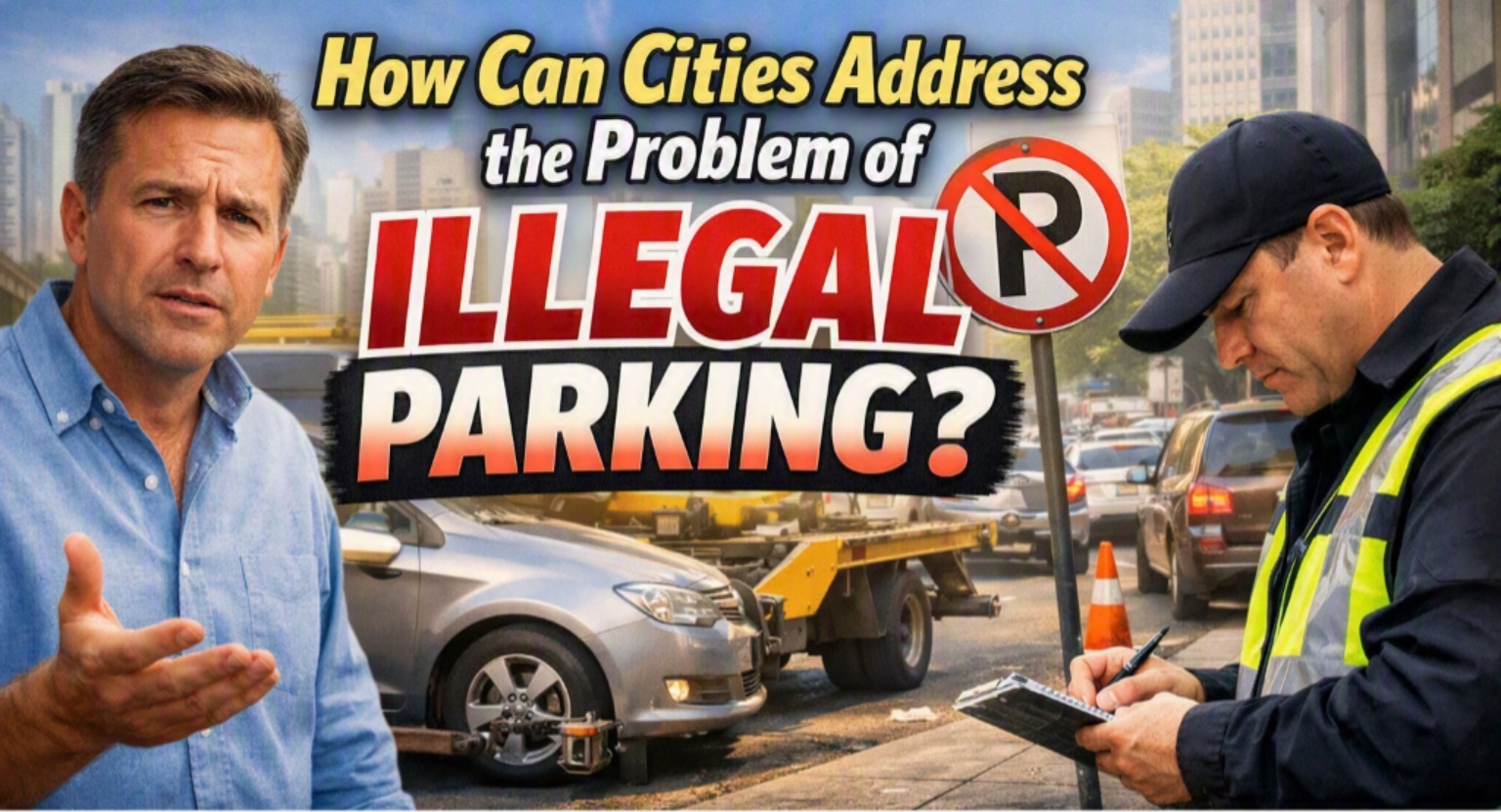
Illegal parking is a common urban problem that can affect traffic flow, road safety, and public space. Vehicles parked in prohibited areas may block lanes, sidewalks, entrances, or emergency access. If the problem continues without effective control, it can make roads more congested and reduce the comfort of pedestrians and other road users. Therefore, cities need a combination of clear regulations, proper parking facilities, consistent enforcement, and public awareness.
IMPROVE PARKING REGULATIONS AND SIGNAGE
Cities can start by creating clear and consistent parking regulations that are easy for residents to understand. Parking restrictions should clearly explain where vehicles may or may not be parked, including rules for busy roads, sidewalks, intersections, and public facilities. Visible signs and road markings are also important because drivers need to recognize parking restrictions before leaving their vehicles. Regulations should be reviewed periodically to ensure they remain suitable for changes in traffic conditions and urban development.
Clear information can also reduce confusion among drivers. Cities can use standardized signs, digital information, and public announcements to explain parking rules and penalties. When regulations are simple and clearly communicated, drivers are more likely to understand their responsibilities. This approach should be combined with enforcement so that parking rules are not merely written regulations but are actually followed.
PROVIDE ADEQUATE AND ACCESSIBLE PARKING FACILITIES
One reason illegal parking occurs is the limited availability of convenient parking spaces in busy areas. Cities can address this issue by developing parking facilities near commercial districts, offices, transportation hubs, and other high-demand locations. Options may include off-street parking, multi-story parking buildings, and designated curbside parking areas. Parking facilities should be positioned strategically so drivers have practical alternatives to stopping in prohibited locations.
However, adding parking spaces alone may not solve the problem. Cities should also consider parking prices, operating hours, accessibility, and connections to public transportation. In crowded areas, reasonable parking management can encourage drivers to use available spaces instead of leaving vehicles on restricted roads. Better parking facilities can therefore support both traffic management and the efficient use of urban land.
STRENGTHEN PARKING ENFORCEMENT
Consistent enforcement is essential for reducing illegal parking. Cities can deploy parking officers, vehicle patrols, and monitoring systems in locations where violations frequently occur. Enforcement should focus on areas that create serious risks, such as intersections, pedestrian crossings, bus stops, narrow roads, and emergency access routes. Penalties should be applied fairly and consistently so that drivers understand that parking violations have real consequences.
Technology can also make enforcement more efficient. Digital parking systems, license plate recognition, cameras, and electronic ticketing can help authorities identify violations and manage parking information. Nevertheless, technology should support rather than completely replace responsible human oversight. Cities should ensure that enforcement procedures are transparent and that drivers have appropriate ways to verify or challenge violations.
USE SMART PARKING TECHNOLOGY
Smart parking technology can help cities understand where and when parking demand is highest. Sensors, mobile applications, digital payment systems, and real-time parking information can make it easier for drivers to find legal parking spaces. When drivers can quickly identify available spaces, they may spend less time searching and become less likely to stop illegally. Cities can also use collected data to identify areas where parking capacity needs improvement.
Digital systems can additionally support better parking management and payment collection. For example, cities can provide information about parking availability, fees, restrictions, and operating times through a single platform. Data from these systems can help authorities adjust parking policies according to actual demand. The goal is not simply to introduce technology, but to make parking more predictable, convenient, and organized.
IMPROVE PUBLIC TRANSPORTATION AND WALKABILITY
Reducing dependence on private vehicles can also help address illegal parking. Cities that provide reliable public transportation give residents more alternatives to driving and parking. Convenient buses, trains, cycling routes, and pedestrian facilities can reduce pressure on limited parking spaces, particularly in crowded urban centers. Better connections between residential areas and commercial districts can make public transportation a practical choice for daily travel.
Cities should also protect sidewalks, pedestrian crossings, bicycle lanes, and public spaces from unauthorized parking. These areas are important for people who travel without cars, including children, older adults, and people with mobility limitations. Keeping them accessible improves safety and supports a more inclusive urban environment. Effective parking management should therefore consider not only vehicles but also the needs of pedestrians and other road users.
BUILD PUBLIC AWARENESS AND COMMUNITY PARTICIPATION
Public education is another important part of solving illegal parking. Cities can conduct awareness campaigns through social media, schools, community organizations, local media, and public signs. Campaigns should explain how illegal parking can cause congestion, obstruct pedestrians, delay emergency vehicles, and increase accident risks. Clear explanations can encourage drivers to understand that parking rules are intended to protect the wider community.
Community participation can make enforcement more responsive. Residents can report recurring parking problems through official reporting channels or digital platforms. Authorities can then use these reports alongside traffic and parking data to identify problem areas. When residents and authorities work together, cities can develop parking policies that are more responsive to actual conditions.
APPLY A COMPREHENSIVE PARKING MANAGEMENT STRATEGY
The most effective solution is usually a combination of policies rather than a single measure. Cities need clear regulations, sufficient parking facilities, consistent enforcement, smart technology, reliable public transportation, and ongoing public education. These measures should support one another and be adjusted according to local traffic conditions. For example, an area with severe parking violations may require better signs, additional legal parking, stronger enforcement, and improved public transportation at the same time.
Cities should also monitor results regularly after implementing parking policies. Authorities can evaluate changes in traffic congestion, parking violations, pedestrian access, public complaints, and parking utilization. If a policy does not produce the expected results, it can be modified based on reliable evidence. With long-term planning and consistent implementation, cities can reduce illegal parking while creating roads and public spaces that are safer, more accessible, and better organized.
CONCLUSION
Addressing illegal parking requires clear rules, practical alternatives, fair enforcement, and cooperation from the public. Cities should not rely only on fines or vehicle removal because the underlying causes of illegal parking may include limited parking supply and poor transportation options. A balanced strategy can make legal parking easier while discouraging behavior that disrupts public roads and spaces. Ultimately, effective parking management can contribute to safer roads, smoother traffic, and more livable cities.
About the Author
Gusti Ayu Tita P
Author — STEKOM University
An active author focused on academic issues, educational technology, and human resource development in the campus environment.















