
How Can Class Meetings Improve Communication Skills?
Gusti Ayu Tita P
31 Juli 2026
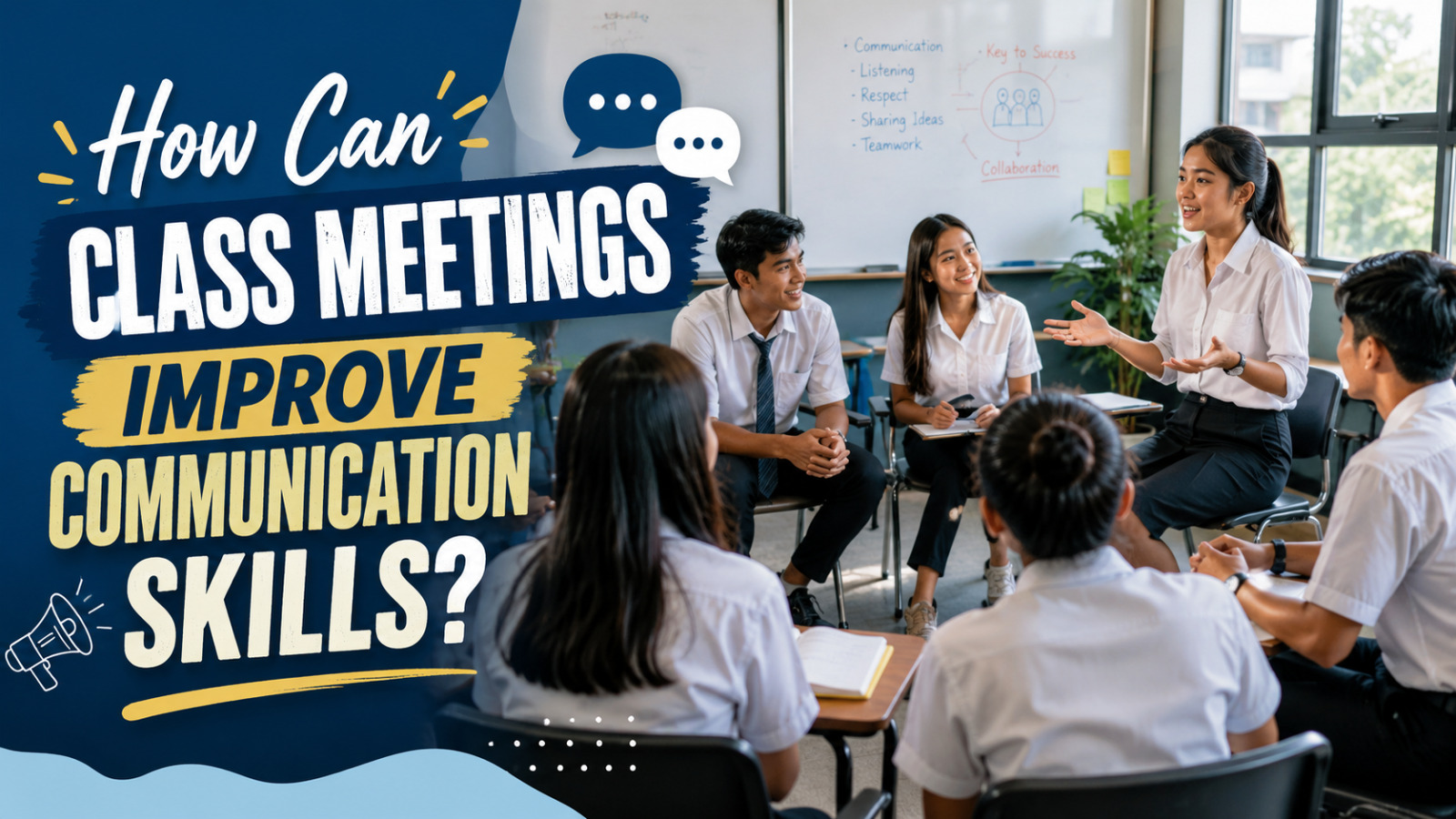
Class meetings are more than just school activities. They provide students with opportunities to interact, exchange ideas, solve problems, and work together toward common goals. Through discussions, games, competitions, and collaborative projects, students naturally practice speaking, listening, and expressing themselves respectfully. These experiences help build confidence while creating a positive classroom environment where everyone feels valued.
Strong communication skills are essential not only for academic success but also for future careers and everyday life. Students who regularly participate in class meetings become better at sharing opinions, understanding different perspectives, and cooperating with others. This article explains how class meetings help students improve communication skills and why these activities are valuable for personal growth.
WHY COMMUNICATION SKILLS MATTER FOR STUDENTS
Communication skills are one of the most important abilities students can develop during their school years. Good communication helps students express their thoughts clearly, ask meaningful questions, and build positive relationships with classmates and teachers. These skills also improve teamwork, leadership, and academic performance because students become more comfortable participating in discussions.
Beyond the classroom, effective communication prepares students for future careers and social situations. Employers value people who can explain ideas, listen carefully, and collaborate with others. By developing these skills early, students gain confidence that will benefit them throughout their lives.
HOW CLASS MEETINGS ENCOURAGE ACTIVE PARTICIPATION
Class meetings create a welcoming environment where every student has the opportunity to speak and contribute. During discussions, brainstorming sessions, and group activities, students learn to organize their ideas before sharing them. This regular practice helps reduce fear of public speaking and encourages even shy students to participate.
As students become more involved, they also learn the importance of respecting different opinions. They understand that communication is not only about speaking but also about listening and responding thoughtfully. These experiences help create stronger classroom relationships and a supportive learning atmosphere.
BUILDING LISTENING AND SPEAKING CONFIDENCE
One of the greatest benefits of class meetings is improving both speaking and listening skills. Students learn how to present their opinions with confidence while paying attention to what others are saying. This balance creates meaningful conversations instead of one-sided discussions.
Regular participation also helps students become more comfortable speaking in front of groups. As they receive positive feedback from teachers and classmates, their self-confidence grows naturally. Over time, they become better at expressing ideas clearly and respectfully in different situations.
IMPROVING TEAMWORK THROUGH EFFECTIVE COMMUNICATION
Many class meeting activities require students to work together toward shared goals. Whether organizing an event, completing a challenge, or solving a problem, team members must communicate effectively to succeed. They learn how to divide responsibilities, share updates, and encourage one another.
These collaborative experiences also teach students how to handle disagreements respectfully. Instead of arguing, they practice discussing different viewpoints and finding solutions together. This ability strengthens both teamwork and problem-solving skills while building lasting friendships.
LEARNING TO RESPECT DIFFERENT OPINIONS
Every student has unique experiences, ideas, and perspectives. During class meetings, students are encouraged to share their opinions while listening respectfully to others. This teaches them that differences should be appreciated rather than criticized.
Respectful communication also helps reduce misunderstandings and conflicts within the classroom. Students become more open-minded and empathetic because they learn to consider different viewpoints before making decisions. These habits contribute to a more inclusive and positive school community.
DEVELOPING LEADERSHIP THROUGH COMMUNICATION
Class meetings often give students opportunities to become leaders by guiding discussions, organizing activities, or representing their classmates. These responsibilities require clear communication, careful planning, and confident decision-making. Students gradually become more responsible as they learn how to motivate and support others.
Leadership also involves listening to feedback and adapting when necessary. By practicing these skills in class meetings, students develop the confidence needed to lead both inside and outside the classroom. Strong leaders understand that successful communication is built on respect, cooperation, and understanding.
THE LONG-TERM BENEFITS OF COMMUNICATION SKILLS
The communication skills developed through class meetings continue to benefit students long after graduation. Whether attending university, starting a career, or participating in community activities, the ability to communicate effectively remains essential. Students who practice these skills regularly are often more confident in interviews, presentations, and teamwork situations.
Most importantly, communication helps build meaningful relationships. Students who know how to express themselves honestly while listening respectfully create stronger friendships and healthier social connections. Class meetings provide a simple yet powerful way to prepare students for lifelong success.
CONCLUSION
Class meetings are valuable learning experiences that help students strengthen communication skills in enjoyable and meaningful ways. Through discussions, teamwork, leadership opportunities, and respectful conversations, students develop confidence in expressing their ideas while learning to listen to others. These experiences improve academic performance, strengthen friendships, and prepare students for future challenges.
Schools that regularly organize class meetings create environments where students feel encouraged to communicate openly and collaborate effectively. As a result, students become more confident, responsible, and prepared for success in both their personal and professional lives.
About the Author
Gusti Ayu Tita P
Author — STEKOM University
An active author focused on academic issues, educational technology, and human resource development in the campus environment.















