
How Can Communities Help Prevent Illegal Parking?
Gusti Ayu Tita P
29 Agustus 2026
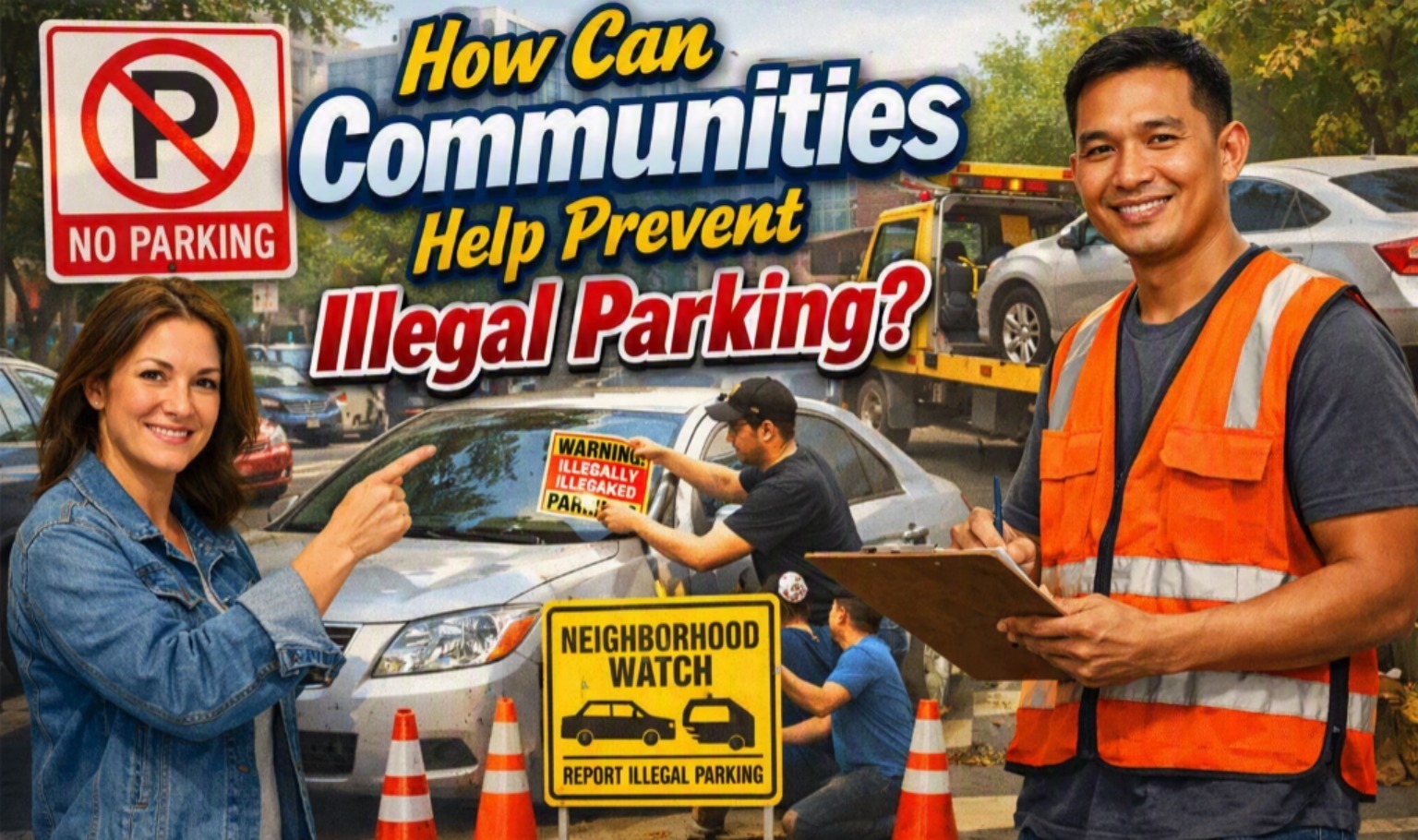
Illegal parking is a common problem that can affect road safety, traffic flow, pedestrians, and the quality of urban life. Vehicles parked in restricted areas can block lanes, reduce visibility, and make roads more difficult to use. Although local authorities have an important role in enforcement, communities can also make a meaningful contribution to preventing illegal parking.
Community involvement can begin with simple actions, such as following parking regulations, reporting violations, sharing information, and supporting safer parking habits. When residents, business owners, drivers, and local organizations work together, preventing illegal parking becomes more effective and sustainable.
UNDERSTAND THE IMPACT OF ILLEGAL PARKING
Communities need to understand why illegal parking should not be treated as a minor traffic violation. Vehicles parked on sidewalks, intersections, bus stops, emergency access points, or other restricted areas can interfere with the movement of pedestrians and other road users. Poor parking practices may also create blind spots, forcing drivers to react suddenly when visibility is limited. In busy areas, illegal parking can reduce road capacity and contribute to congestion.
The problem can become more serious when illegal parking is repeatedly tolerated. Residents may begin to consider violations normal because they see other people doing the same thing. Therefore, public awareness is an important first step in changing parking behavior. Communities that understand the consequences are more likely to support responsible parking practices and encourage others to follow the rules.
PROMOTE RESPONSIBLE PARKING HABITS
One of the simplest ways communities can prevent illegal parking is by encouraging residents to develop responsible parking habits. Drivers should check signs, road markings, parking restrictions, and local regulations before leaving their vehicles. They should avoid blocking sidewalks, driveways, intersections, pedestrian crossings, loading areas, and emergency routes unless parking is clearly permitted. Even when a vehicle will only be left for a few minutes, drivers should consider whether it creates an obstruction.
Families, schools, workplaces, and community groups can help spread these habits through simple educational messages. For example, local campaigns can remind drivers to use designated parking spaces and respect areas intended for pedestrians. Repeated education can make legal parking a normal part of everyday driving behavior. Over time, these small changes can reduce parking violations and create a stronger culture of road responsibility.
REPORT REPEATED PARKING VIOLATIONS
Community members can also help by reporting repeated illegal parking through the appropriate local authority or official reporting channel. Reports are especially useful when a violation frequently occurs in the same location or creates a clear safety risk. Useful information may include the location, approximate time, type of violation, and other relevant details requested by the responsible authority. When permitted by local rules, photographs or other evidence may also help authorities understand the situation.
However, reporting should be done responsibly and safely. People should not confront drivers aggressively, block vehicles, or place themselves in danger while trying to document a violation. The purpose of reporting is to provide authorities with useful information so that they can investigate and take appropriate action. Consistent community reporting can also help authorities identify areas that may require better signs, parking controls, or enforcement.
WORK WITH LOCAL BUSINESSES
Businesses can have a significant influence on parking conditions, particularly in commercial areas where parking demand is high. Shop owners and property managers can encourage customers to use designated parking facilities rather than stopping on sidewalks or blocking nearby roads. Businesses can also provide clear information about available parking spaces and avoid practices that encourage customers to park in unsafe locations.
Local business associations can cooperate with residents and authorities to identify recurring parking problems. For example, they may support clear parking signs, loading zones, customer parking arrangements, and better use of existing parking spaces. Cooperation is often more effective than treating parking as an individual problem. When businesses recognize that organized parking benefits customers, pedestrians, and nearby residents, they can become an important part of the solution.
SUPPORT COMMUNITY PARKING EDUCATION
Education can help communities address the reasons people choose to park illegally. Some drivers may violate parking rules because they do not understand the restrictions, while others may do so because they believe legal parking is inconvenient or unavailable. Community education can explain where parking is allowed, why restrictions exist, and how illegal parking affects other people. Clear information is generally more effective than complicated messages that are difficult to understand.
Schools, neighborhood organizations, residential associations, and community events can provide opportunities to discuss parking safety and road etiquette. Educational materials can use simple language and practical examples so that people can easily apply the information. Campaigns can also focus on pedestrians, children, older people, cyclists, and people with disabilities who may be particularly affected by blocked sidewalks or unsafe road conditions. Building awareness across different groups helps create shared responsibility for safer streets.
IDENTIFY PROBLEM AREAS TOGETHER
Communities can contribute by identifying locations where illegal parking happens frequently. Residents often know which streets experience repeated problems because they use those roads every day. They can communicate these concerns through neighborhood meetings, community organizations, or official channels. Information about recurring patterns can help authorities understand whether the problem is caused by insufficient parking capacity, unclear regulations, poor enforcement, or other factors.
Community observations should focus on patterns rather than individual disputes. Instead of simply complaining about one vehicle, residents can identify broader issues such as vehicles regularly blocking a school entrance during peak hours. This approach can lead to more practical solutions, including improved signs, changes to parking arrangements, or targeted enforcement. Cooperation between residents and authorities can therefore turn local observations into useful traffic-management information.
ENCOURAGE BETTER USE OF PARKING FACILITIES
Illegal parking may increase when drivers believe that convenient legal parking is difficult to find. Communities can help by encouraging people to make better use of available parking facilities and by sharing information about nearby legal parking options. In areas with high demand, residents and businesses can work with local authorities to discuss whether existing parking spaces are being used efficiently. Better information can reduce the temptation to leave vehicles in restricted locations.
Where appropriate, communities can also support alternatives such as public transportation, walking, cycling, or shared transportation. Reducing the number of private vehicles competing for limited parking spaces can ease pressure in busy areas. These alternatives will not eliminate illegal parking on their own, but they can contribute to better overall traffic management. The most effective approach usually combines responsible driving, suitable parking facilities, education, and enforcement.
COOPERATE WITH LOCAL AUTHORITIES
Community action works best when it is combined with effective local enforcement. Authorities are responsible for establishing and enforcing applicable parking regulations, while communities can provide information about problems occurring in their neighborhoods. Regular communication can help identify locations where signs, road markings, parking spaces, or enforcement strategies need improvement. This cooperation can make parking management more responsive to actual conditions.
Residents should also understand that enforcement must be fair, consistent, and based on applicable regulations. Community members should not attempt to create their own penalties or intimidate people who violate parking rules. Instead, they should use recognized reporting and consultation channels. A cooperative relationship between the public and authorities can encourage compliance while reducing unnecessary conflict.
BUILD A CULTURE OF SHARED RESPONSIBILITY
Preventing illegal parking is not only the responsibility of traffic officers or local government. Drivers, pedestrians, residents, businesses, schools, and community organizations all have a role in maintaining safe and accessible streets. Drivers can follow parking rules, residents can report recurring problems, and businesses can encourage customers to park properly. Each action may seem small, but together they can influence how a community uses its roads.
The long-term goal is to create a culture of responsible parking rather than relying entirely on penalties. When people understand that parking rules protect access, safety, and traffic flow, they are more likely to follow them voluntarily. Communities that communicate clearly and cooperate with authorities can help make responsible parking a shared social norm. With consistent participation, local efforts can contribute to safer, more orderly, and more accessible streets.
CONCLUSION
Communities can help prevent illegal parking through education, responsible parking habits, reporting, cooperation, and better communication with local authorities. Residents can identify recurring problem areas and provide useful information, while businesses can encourage customers to use legal parking facilities. Community organizations can strengthen awareness by explaining how parking violations affect traffic, pedestrians, and public safety.
Preventing illegal parking requires more than enforcement alone. Consistent community participation can encourage drivers to respect parking regulations and make safer choices. When everyone understands that responsible parking benefits the entire community, streets can become more organized, accessible, and safer for all road users.
About the Author
Gusti Ayu Tita P
Author — STEKOM University
An active author focused on academic issues, educational technology, and human resource development in the campus environment.















