
How Can Communities Improve the Effectiveness of Neighborhood Watch Activities?
Gusti Ayu Tita P
18 September 2026
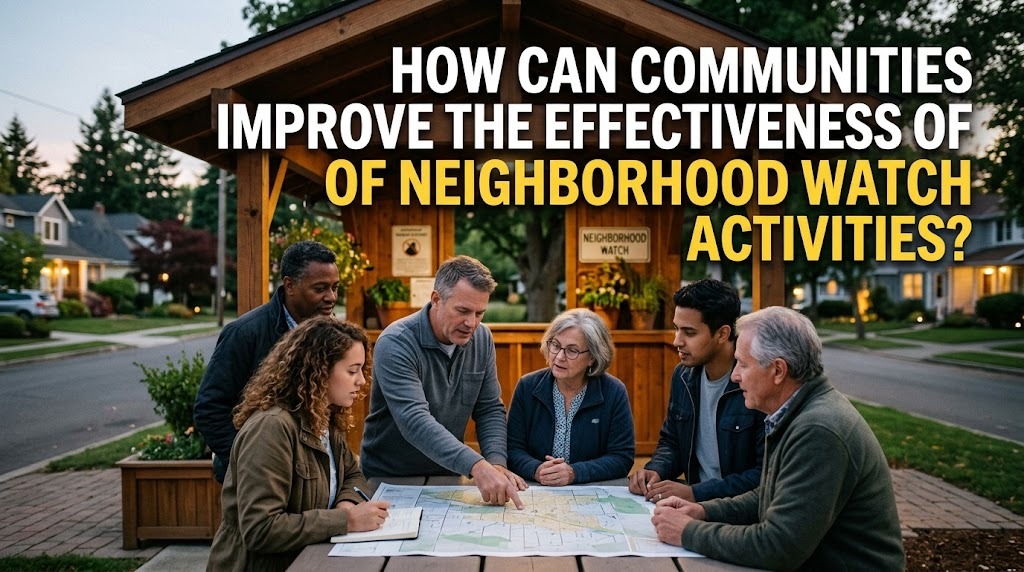
Neighborhood Watch activities can play an important role in maintaining a safe and comfortable residential environment. These activities encourage residents to work together, communicate regularly, and stay aware of conditions around their neighborhood. However, a neighborhood watch system needs more than occasional patrols to remain effective. Clear schedules, good communication, proper coordination, and active participation are essential for maintaining consistent security efforts. With the right approach, communities can improve their ability to identify potential risks and respond to everyday security concerns.
BUILD A CLEAR AND ORGANIZED WATCH SCHEDULE
A clear watch schedule helps ensure that security activities continue regularly without placing too much responsibility on a small number of residents. Communities can divide patrol duties into manageable shifts based on residents' availability. The schedule should be communicated in advance so every participant knows the assigned time and responsibilities. Fair rotation can also encourage more residents to participate because the responsibility is shared across the community. A written or digital schedule can make it easier to track attendance and arrange replacements when someone is unavailable.
The schedule should also remain flexible when necessary. Communities can review the system periodically and make adjustments based on participation levels and local circumstances. Consistent participation is more useful than creating a demanding schedule that residents cannot maintain. Leaders can remind residents about upcoming shifts through group communication channels. This simple approach can help keep neighborhood watch activities organized and sustainable.
IMPROVE COMMUNICATION BETWEEN RESIDENTS
Effective communication is one of the most important elements of a successful neighborhood watch system. Residents should have a reliable way to share information about unusual situations, safety concerns, or important community announcements. A neighborhood communication group can support quick information sharing, although messages should remain clear and relevant. Residents should avoid spreading unverified information because inaccurate reports can create unnecessary fear or misunderstanding. Important incidents should be reported to the appropriate authorities rather than handled through speculation.
Regular meetings can also strengthen communication between residents. During these meetings, participants can discuss problems, evaluate previous activities, and identify areas that need attention. Open communication allows residents to understand their respective roles and responsibilities. It can also help prevent misunderstandings between patrol members and other residents. When people communicate respectfully and consistently, cooperation within the neighborhood can become stronger.
PROVIDE BASIC EQUIPMENT AND TRAINING
A neighborhood watch post does not always require expensive equipment, but participants need basic security facilities to perform their duties comfortably. Useful items can include adequate lighting, seating, communication devices, flashlights, first aid supplies, and a simple record book. Communities can choose equipment according to their actual needs and available resources. Proper lighting around the post and commonly used areas can improve visibility during nighttime activities. Equipment should also be checked regularly to ensure that it remains functional.
Training is equally important because residents need to understand what they should and should not do during patrol activities. Participants can learn about safe observation, communication procedures, emergency contacts, and responsible reporting. Neighborhood watch members should generally observe and report suspicious situations rather than confront potentially dangerous individuals. Clear procedures can reduce unnecessary risks for volunteers. Basic training therefore helps residents contribute to community safety in a more organized and responsible way.
ENCOURAGE ACTIVE COMMUNITY PARTICIPATION
The effectiveness of neighborhood watch activities depends greatly on community participation. If only a few residents regularly participate, the system can become difficult to maintain over time. Communities can encourage participation by explaining the purpose and benefits of neighborhood watch activities clearly. Activities can also be combined with community meetings, clean-up programs, or other positive neighborhood events. This approach can make participation feel like part of broader community cooperation rather than only a security obligation.
Young people can also contribute in appropriate ways, such as supporting communication, community events, or technology-related tasks. However, responsibilities should be assigned according to age, safety, and ability. Residents should respect different schedules and personal circumstances when organizing participation. Appreciation for volunteers can also help maintain motivation. When more residents feel that their contribution matters, neighborhood watch activities can become more sustainable.
USE TECHNOLOGY RESPONSIBLY
Technology can support neighborhood watch activities by making communication and information management more efficient. Residents can use messaging applications to share schedules, announcements, and verified safety information. Digital tools can also help communities maintain attendance records and coordinate schedule changes. In some communities, security cameras or appropriate lighting systems may provide additional information about incidents. However, technology should support responsible community practices rather than replace communication and human judgment.
Privacy should also be considered when using digital security tools. Residents should understand local laws, privacy expectations, and appropriate access controls before installing or sharing surveillance-related information. Images or personal information should not be distributed publicly without a legitimate reason and appropriate authorization. Technology can be useful when it is managed transparently and responsibly. Combining digital tools with direct communication can create a more organized neighborhood watch system.
EVALUATE ACTIVITIES AND IMPROVE THEM REGULARLY
Communities should periodically evaluate whether their Neighborhood Watch activities are achieving their intended goals. Residents can review participation, patrol schedules, communication problems, equipment conditions, and incidents that occurred during the previous period. Feedback from participants can reveal practical problems that may not be visible to community leaders. The evaluation should focus on improving the system rather than blaming individual residents. Small changes can sometimes make the activities easier to maintain.
It is also useful to establish clear procedures for reporting emergencies and coordinating with local authorities. Neighborhood watch volunteers should understand that they are community safety participants, not substitutes for professional law enforcement or emergency services. If a serious incident occurs, residents should prioritize personal safety and contact the appropriate authorities. Regular evaluation can help the community identify weaknesses and develop better practices. Through continuous improvement, neighborhood watch activities can remain relevant and effective as community needs change.
CONCLUTION
Improving the effectiveness of Neighborhood Watch activities requires cooperation, organization, and consistent communication among residents. A fair schedule, reliable communication system, basic equipment, appropriate training, and responsible use of technology can strengthen daily activities. Active participation also helps distribute responsibilities and maintain the continuity of the program. Communities should regularly evaluate their activities and make practical improvements based on local needs. Most importantly, residents should prioritize safety, avoid unnecessary confrontation, and coordinate with appropriate authorities when serious situations occur.
About the Author
Gusti Ayu Tita P
Author — STEKOM University
An active author focused on academic issues, educational technology, and human resource development in the campus environment.