How Can Companies Support the Career Development of Senior Employees?
Gusti Ayu Tita P
26 September 2026
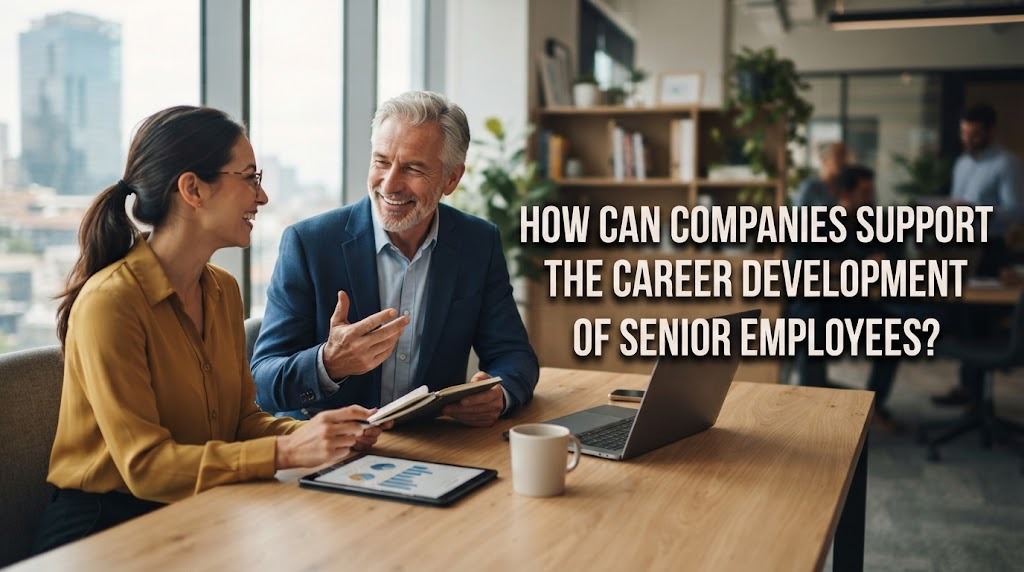
Career development should not stop when employees reach a senior position. Senior employees continue to contribute valuable experience, knowledge, and professional skills to their organizations. However, changing technology, new business strategies, and evolving workplace expectations mean that experienced workers also need opportunities to grow.
Companies can support career development for senior employees through training, mentoring, flexible career opportunities, and regular feedback. These efforts can help experienced workers remain productive while allowing companies to benefit from their knowledge. A supportive approach can also create a workplace where employees of different generations can continue learning from one another.
PROVIDE CONTINUOUS TRAINING
One of the most effective ways companies can support senior employees is by providing continuous training. Training programs can introduce employees to new technologies, updated industry practices, leadership methods, or skills related to their current positions. These opportunities help experienced workers keep their knowledge relevant as workplace requirements change.
Training should be designed around actual employee needs rather than assuming that every senior worker requires the same type of development. Companies can use performance discussions, employee feedback, and changing business requirements to identify useful learning areas. Professional development programs can then help senior employees strengthen existing abilities while developing new ones.
OFFER LEADERSHIP AND MENTORING OPPORTUNITIES
Senior employees often have extensive knowledge that can benefit other members of the organization. Companies can give them opportunities to become mentors, trainers, or team leaders. These roles allow experienced workers to share practical knowledge while continuing to develop their own leadership and communication skills.
Mentoring can also create benefits for younger employees. Senior workers can explain workplace practices, share lessons from previous projects, and provide guidance when colleagues face unfamiliar challenges. At the same time, mentoring can encourage knowledge transfer and help preserve valuable organizational knowledge.
CREATE FLEXIBLE CAREER PATHS
Traditional career development often focuses on promotions, but not every senior employee wants or needs to move into a higher management position. Companies can provide flexible career paths that allow experienced employees to grow through specialist roles, project leadership, consulting responsibilities, or mentoring positions.
Flexible opportunities can help companies make better use of individual strengths and interests. An employee with strong technical knowledge, for example, may contribute more effectively as a specialist than by moving into a purely administrative role. Offering different career options can support employee growth without forcing everyone to follow the same professional path.
ENCOURAGE DIGITAL SKILL DEVELOPMENT
Technology continues to influence how companies communicate, manage information, analyze data, and complete daily tasks. Companies can support senior employees by providing digital skills training and enough time to practice new tools. Training should be practical and connected to the employee's actual responsibilities.
A supportive learning environment is important because employees may need different amounts of time to become comfortable with unfamiliar technology. Companies can provide workshops, demonstrations, peer support, and accessible learning materials. Helping senior employees improve their digital skills can make it easier for them to adapt while maintaining the value of their professional experience.
PROVIDE REGULAR FEEDBACK AND CAREER DISCUSSIONS
Regular communication can help senior employees understand how their roles may develop within the company. Managers can hold career development discussions to identify employee goals, strengths, learning needs, and possible future responsibilities. These conversations should focus on professional growth rather than assuming that experienced employees no longer need guidance.
Constructive feedback can also help employees recognize areas that need improvement. At the same time, managers should acknowledge achievements and valuable contributions. A balanced approach to employee feedback can encourage senior workers to remain engaged and identify realistic opportunities for continued development.
SUPPORT CROSS GENERATIONAL COLLABORATION
Companies can encourage cross generational collaboration by creating teams where employees with different levels of experience work together. Senior employees can contribute practical knowledge, while younger workers may bring fresh perspectives and familiarity with newer technologies. This exchange can create learning opportunities for everyone involved.
Collaboration works best when companies establish an environment based on respect and open communication. Senior employees should be encouraged to share their knowledge without controlling every decision, while younger employees should have opportunities to contribute their own ideas. This approach can strengthen intergenerational teamwork and create a more collaborative workplace.
RECOGNIZE EXPERIENCE AND ACHIEVEMENTS
Recognizing the contributions of senior employees is another important part of career development. Companies can acknowledge achievements through professional recognition, meaningful responsibilities, project opportunities, or participation in important initiatives. Recognition shows that experience remains valuable and can motivate employees to continue contributing.
Recognition should focus on actual contributions rather than simply an employee's length of service. Companies can highlight professional expertise, mentoring contributions, leadership, innovation, and knowledge sharing. When experienced employees see that their skills are valued, they may be more motivated to continue developing and contributing to organizational goals.
CONCLUSION
Companies can support the career development of senior employees by providing continuous training, flexible career paths, mentoring opportunities, digital learning, regular feedback, and cross-generational collaboration. These strategies allow experienced workers to continue developing while helping organizations make better use of their knowledge.
Career development should be viewed as an ongoing process rather than something that ends after an employee reaches a senior position. By investing in senior employee development, companies can encourage continuous learning, preserve valuable knowledge, and create opportunities for employees at different career stages to contribute effectively.
About the Author
Gusti Ayu Tita P
Author — STEKOM University
An active author focused on academic issues, educational technology, and human resource development in the campus environment.