
How Can Governments Help Control Illegal Parking?
Gusti Ayu Tita P
29 Agustus 2026
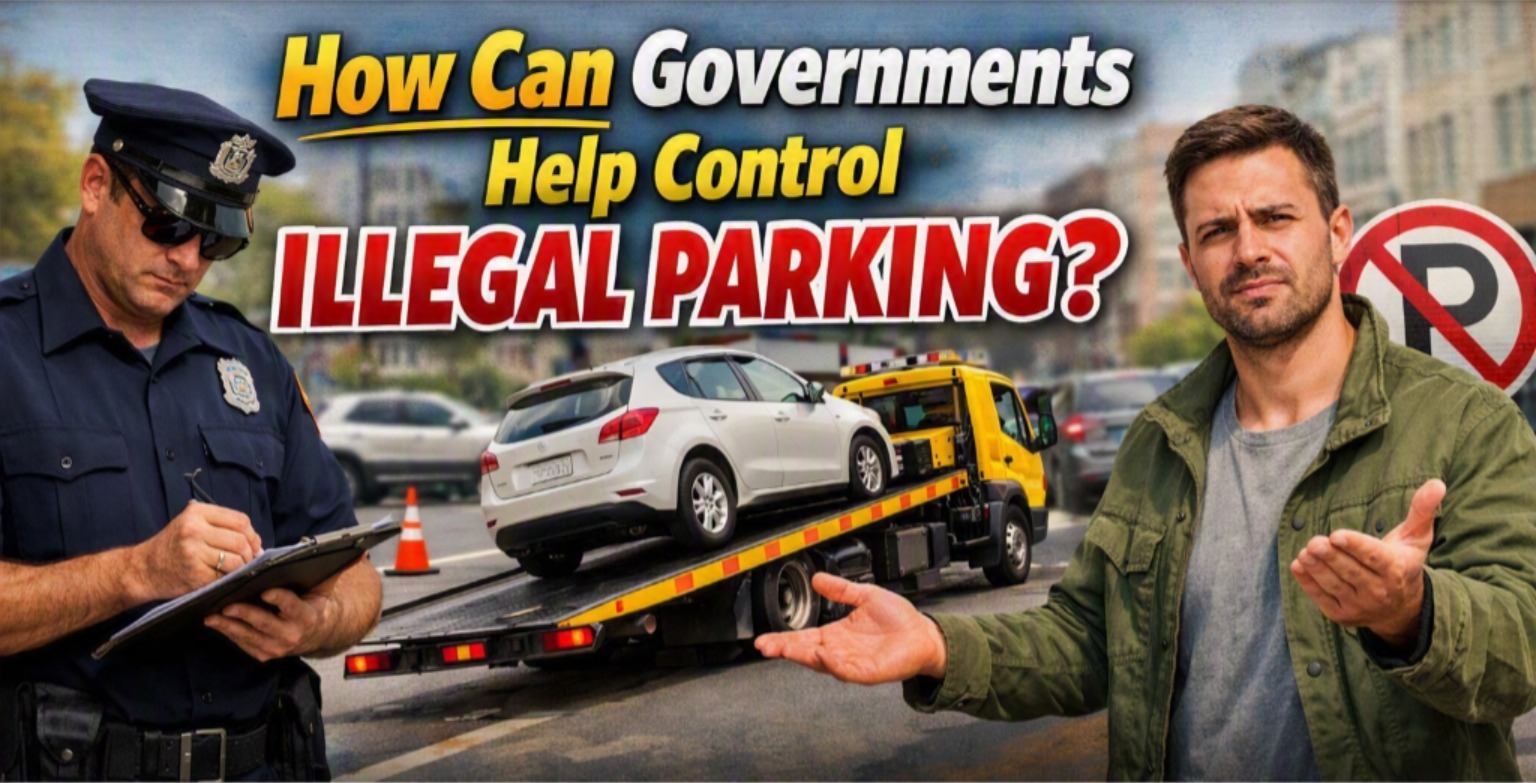
Illegal parking is a common problem in many urban areas. Vehicles that stop or park in prohibited locations can reduce road capacity, create traffic congestion, and make streets less safe for drivers, pedestrians, and cyclists. If left uncontrolled, illegal parking can also interfere with public transportation, emergency access, and business activities. Therefore, government action is important to create safer and more orderly roads.
Governments can control illegal parking through a combination of clear regulations, proper parking facilities, effective enforcement, technology, and public education. These measures work best when they are implemented consistently and supported by sufficient parking alternatives. Understanding these strategies can help communities recognize why parking management is an important part of urban planning.
ESTABLISHING CLEAR PARKING REGULATIONS
The first step governments can take is to create clear and understandable parking regulations. Authorities should identify where vehicles are allowed to park, where parking is prohibited, and how long vehicles may remain in designated areas. Signs and road markings should be visible so drivers can easily understand the rules without confusion. Regulations should also explain penalties for violations in a way that is accessible to the public.
Parking rules should be designed according to the needs of each area. Busy roads, intersections, sidewalks, bus stops, school zones, and emergency access routes may require stricter restrictions because illegal parking in these locations can create greater risks. Governments should also regularly review parking regulations when traffic patterns or land use changes. Clear rules make enforcement more consistent and encourage drivers to park responsibly.
PROVIDING ADEQUATE PARKING FACILITIES
Illegal parking can become more difficult to control when there are too few legal parking spaces. Governments can work with businesses and property owners to provide sufficient parking facilities in areas with high demand. Options may include public parking lots, structured parking facilities, or designated on-street parking spaces. Properly planned facilities can give drivers practical alternatives instead of forcing them to park in prohibited locations.
Parking facilities should also be easy to find, accessible, and reasonably convenient. Governments can use parking signs and digital information systems to help drivers locate available spaces. In commercial areas, parking policies can be coordinated with public transportation and pedestrian facilities. Providing alternatives does not eliminate the need for enforcement, but it can reduce the reasons people give for parking illegally.
STRENGTHENING PARKING ENFORCEMENT
Consistent enforcement is one of the most important ways to control illegal parking. Governments can assign trained parking officers or other authorized personnel to monitor areas where violations frequently occur. When drivers know that parking rules are actively enforced, they are more likely to follow them. Fair and consistent enforcement is important because selective enforcement can reduce public trust.
Authorities can apply appropriate penalties such as parking fines, vehicle immobilization, or towing, depending on local laws. Enforcement should prioritize locations where illegal parking creates serious safety or traffic problems. Governments can also publish information about enforcement policies so drivers understand the consequences of violations. The goal should not simply be to issue more fines, but to improve compliance and road safety.
USING TECHNOLOGY FOR PARKING CONTROL
Modern technology can make parking enforcement more efficient. Governments may use digital parking systems, license plate recognition, parking sensors, cameras, and mobile applications to monitor parking activity. These technologies can help authorities identify violations more quickly and collect information about parking patterns. Digital payment systems can also make legal parking more convenient for drivers.
Technology can provide additional benefits when it is used responsibly. Data collected from parking systems can help governments identify areas with frequent violations and determine where new parking policies may be needed. However, authorities should ensure that technology follows privacy, transparency, and data protection requirements. Technology should support human enforcement and good planning rather than replace proper regulations.
IMPROVING ROAD SIGNS AND MARKINGS
Poorly designed or unclear signs can make parking rules difficult to understand. Governments should install visible parking signs and clear road markings in locations where restrictions apply. Signs should be positioned where drivers have enough time to see and understand them before stopping. Consistent symbols and language can make parking information easier for both local and visiting drivers to follow.
Authorities should also maintain signs and markings regularly. Faded lines, damaged signs, or signs hidden by trees can create unnecessary confusion. In areas with frequent violations, governments may need to improve the placement or visibility of parking information. Good signage supports enforcement because drivers can clearly see what is permitted and what is prohibited.
EDUCATING THE PUBLIC ABOUT PARKING RULES
Government enforcement becomes more effective when it is supported by public education. Authorities can use social media, websites, schools, community programs, road signs, and local campaigns to explain the effects of illegal parking. Educational campaigns can show how parking on sidewalks, intersections, or emergency routes can endanger other people. Simple explanations can encourage drivers to understand the purpose behind parking restrictions.
Public education should focus not only on penalties but also on responsible parking behavior. Drivers can be encouraged to check signs, use designated parking spaces, avoid blocking pedestrian paths, and respect areas reserved for emergency access. Governments can also provide information about nearby legal parking alternatives. When people understand both the rules and their benefits, voluntary compliance can improve.
WORKING WITH COMMUNITIES AND BUSINESSES
Illegal parking often affects residents, businesses, pedestrians, and public transportation users at the same time. Governments can therefore work with local communities, business owners, transport operators, and property managers to identify recurring parking problems. Community feedback can help authorities understand where violations happen most frequently and why they occur. This information can support more practical parking policies.
Businesses can also contribute by encouraging customers and employees to use legal parking facilities. In commercial districts, authorities may develop parking arrangements that balance the needs of businesses, residents, pedestrians, and road users. Community cooperation can make parking management more effective because enforcement is supported by people who use the area every day. Regular evaluation can then help governments adjust policies when conditions change.
SUPPORTING PUBLIC TRANSPORTATION AND ALTERNATIVE MOBILITY
Reducing dependence on private vehicles can also help governments address parking pressure. Reliable public transportation can give people an alternative to driving and reduce the number of vehicles searching for parking. Safe sidewalks, cycling infrastructure, and convenient connections between transportation modes can further reduce parking demand in crowded areas. These measures are especially useful in city centers where available land is limited.
Governments can combine parking policies with broader urban transportation planning. For example, areas with good public transportation may have stricter parking controls because drivers have other ways to reach their destinations. The approach should consider local conditions rather than applying the same policy everywhere. A balanced transportation system can reduce congestion while making urban areas more accessible.
CONCLUSION
Governments can help control illegal parking by combining clear regulations, adequate parking facilities, consistent enforcement, technology, effective signage, public education, and community cooperation. No single measure is likely to solve the problem on its own. Authorities need to understand local parking patterns and create policies that address both violations and the availability of legal alternatives. Regular monitoring is also necessary to determine whether parking policies are actually improving traffic and safety.
Effective parking management is ultimately about more than preventing drivers from stopping in prohibited areas. It is about creating safer, more organized, and more accessible streets for everyone. When governments enforce rules fairly and provide practical transportation and parking options, drivers have stronger reasons to follow the regulations. A consistent and well-planned approach can make illegal parking less common while improving the overall quality of urban mobility.
About the Author
Gusti Ayu Tita P
Author — STEKOM University
An active author focused on academic issues, educational technology, and human resource development in the campus environment.















