
How Can Land Tourism Help Reduce Stress?
Gusti Ayu Tita P
17 September 2026
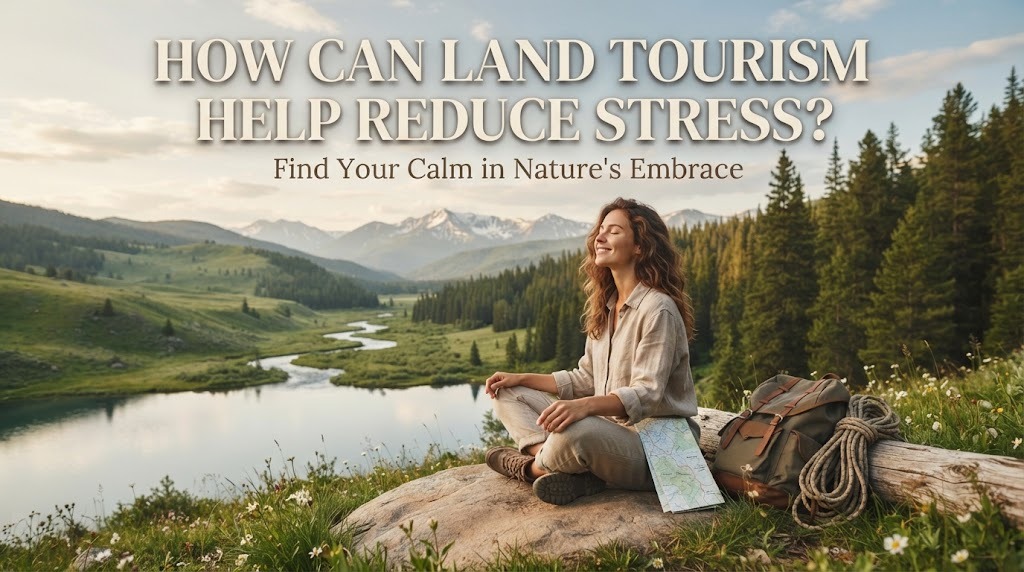
Daily routines can sometimes make people feel tired because of work, school, responsibilities, and busy schedules. Taking a break through land tourism can provide an opportunity to leave these routines for a while. Traveling to a different environment can create new experiences and allow people to spend time doing enjoyable activities. A well-planned trip can also provide time for rest, social interaction, and exploration. For this reason, land tourism can be one way to support relaxation and mental refreshment.
PROVIDES A BREAK FROM DAILY ROUTINES
One way land tourism can help reduce stress is by giving travelers a temporary break from daily routines. Staying in the same environment every day can sometimes feel repetitive and exhausting. Traveling to another city, village, mountain area, or other destination provides a different atmosphere. A change of surroundings can encourage people to focus on their current experience instead of their usual responsibilities. Returning to daily activities after a proper break may also feel easier for some people.
ALLOWS PEOPLE TO ENJOY NATURE
Many land tourism destinations offer access to natural environments such as mountains, forests, lakes, beaches, and countryside areas. Spending time in nature can provide a quieter atmosphere away from crowded urban environments. Travelers can walk, enjoy the scenery, take photographs, or simply sit and observe their surroundings. Outdoor activities can also encourage people to move their bodies and spend less time sitting indoors. These experiences can contribute to a more relaxing travel experience.
ENCOURAGES PHYSICAL ACTIVITIES
Land tourism can include activities that involve physical movement, such as walking, hiking, cycling, or exploring tourist areas. Light to moderate physical activity can help people stay active while enjoying their surroundings. Walking through a new destination can also make the journey more engaging and enjoyable. Travelers should choose activities according to their physical condition and avoid pushing themselves too hard. A comfortable level of activity can make a vacation feel refreshing rather than exhausting.
CREATES TIME FOR FAMILY AND FRIENDS
Traveling with people close to us can provide valuable social support and quality time. During a land trip, family members or friends can talk, share meals, explore places, and enjoy activities together. These interactions can provide a temporary focus away from personal routines and responsibilities. Positive social experiences may also help people feel connected and supported. However, travelers should still allow enough personal space and rest when needed.
INTRODUCES NEW EXPERIENCES
Visiting a new destination can provide new experiences and perspectives. Travelers may discover different foods, traditions, landscapes, activities, and ways of life. Exploring something unfamiliar can make a trip feel interesting and engaging. It can also shift attention away from repetitive thoughts about everyday problems. New experiences do not remove the causes of stress, but they can provide a healthy temporary change of focus.
OFFERS TIME FOR REST
A good land trip does not have to be filled with activities. Travelers can create a relaxed itinerary that includes enough time to sleep, eat, sit comfortably, and enjoy the destination without rushing. A schedule that is too busy can create additional fatigue instead of reducing it. Choosing fewer activities can sometimes make the experience more enjoyable. Adequate rest during the trip is especially important when traveling long distances.
REDUCES DIGITAL DISTRACTIONS
Travel can provide an opportunity to take a short break from digital distractions. Travelers may choose to spend less time checking social media, responding to messages, or constantly looking at screens. Instead, they can focus on conversations, scenery, food, and activities around them. However, phones should still remain available for navigation, communication, and emergencies. Using technology only when necessary can help travelers become more present during the journey.
PROVIDES PERSONAL TIME
Land tourism does not always need to be a group activity. Traveling alone or having some personal time during a trip can give people an opportunity to reflect and enjoy activities at their own pace. They can choose where to go, what to eat, and how much time to spend at each location. Personal time can be especially useful for travelers who prefer quiet environments. The key is to choose activities that feel comfortable rather than creating additional pressure.
HELPS CREATE POSITIVE MEMORIES
A pleasant trip can create positive memories that travelers can remember after returning home. Photos, conversations, local food, beautiful scenery, and interesting discoveries can become meaningful parts of the experience. Looking back at these moments may remind people of enjoyable times outside their normal routines. However, travel should not be viewed as a replacement for professional help when someone is experiencing serious or persistent stress. It is better understood as one possible way to support rest and recreation.
CONCLUSION
Land tourism can help reduce stress by providing a break from routines, access to nature, physical activities, social interaction, and opportunities to rest. Traveling to a new environment can give people time to focus on enjoyable experiences instead of everyday responsibilities. A flexible schedule is important because an overly busy trip can create additional fatigue. Travelers should choose destinations and activities that match their needs and energy levels. With realistic planning, land tourism can become a refreshing and enjoyable way to take a break.
About the Author
Gusti Ayu Tita P
Author — STEKOM University
An active author focused on academic issues, educational technology, and human resource development in the campus environment.















