How Can LDKS Improve Students’ Self-Confidence?
Gusti Ayu Tita P
19 September 2026
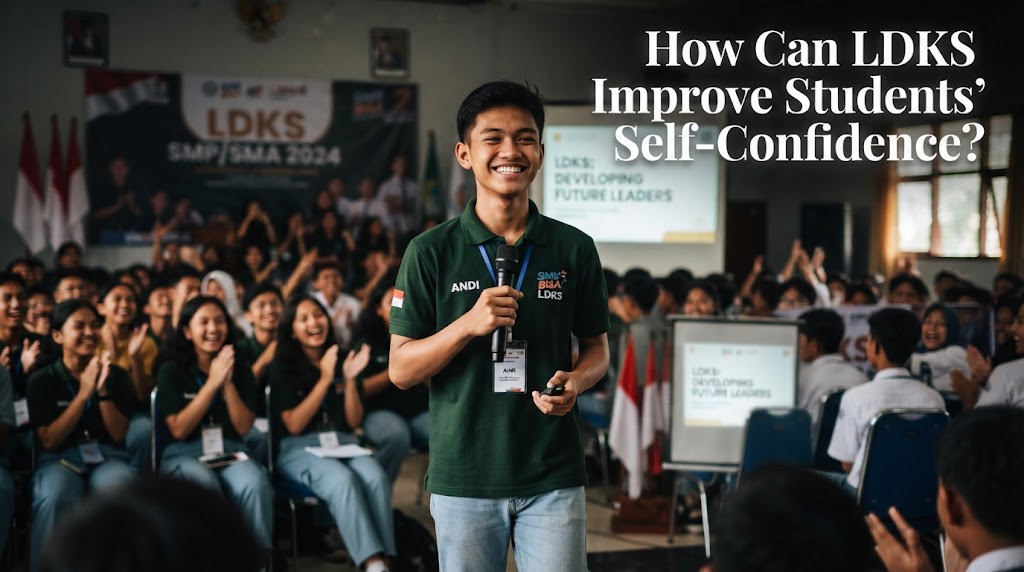
LDKS, or Student Leadership Training, is a school program that provides students with opportunities to develop leadership and personal skills. One important benefit of this activity is helping students build self-confidence through direct experience. Students may participate in discussions, presentations, teamwork, and leadership exercises that encourage them to express themselves. These activities can help students become more comfortable when communicating and interacting with others.
WHAT IS LDKS AND HOW DOES IT SUPPORT STUDENT DEVELOPMENT?
LDKS is designed to introduce students to important principles of leadership development and responsible behavior. The program often includes activities that require students to communicate, cooperate, solve problems, and complete tasks together. Instead of only learning concepts, students can practice different skills through real activities. This makes LDKS a useful environment for developing both personal and social abilities.
Self-confidence can grow when students are given opportunities to participate actively. They can learn to recognize their strengths while also understanding areas that need improvement. Positive experiences during LDKS may encourage students to become more willing to take part in school activities. In this way, student development can involve not only academic abilities but also confidence and interpersonal skills.
HOW CAN PUBLIC SPEAKING ACTIVITIES BUILD CONFIDENCE?
Public speaking is often included in leadership training because students need to communicate ideas clearly. During LDKS, students may be asked to give presentations, answer questions, lead discussions, or explain the results of group activities. These experiences give students opportunities to practice speaking in front of other people. Regular practice can make students feel more comfortable expressing their thoughts.
Students may initially feel nervous when speaking in front of a group. However, completing a presentation successfully can provide a sense of achievement and encourage them to participate again. Mistakes can also become useful learning experiences rather than reasons to stop trying. Through this process, public speaking skills and self-confidence can develop together.
WHY DOES TEAMWORK HELP STUDENTS BECOME MORE CONFIDENT?
Teamwork activities allow students to interact with classmates while working toward a common goal. Each student may receive a different responsibility, such as organizing tasks, sharing ideas, or presenting group results. When students see that their contribution is useful to the team, they can develop a stronger sense of personal value. This experience can gradually support student confidence.
Working in a team also teaches students that they do not have to handle every challenge alone. They can ask questions, receive suggestions, and learn from their teammates. Positive cooperation can create a supportive environment where students feel more comfortable participating. As a result, teamwork skills can contribute to greater confidence in social and academic situations.
HOW DOES LDKS ENCOURAGE STUDENTS TO TAKE RESPONSIBILITY?
LDKS often gives students responsibilities that require them to complete tasks within a certain time. These responsibilities can include organizing activities, coordinating group members, following schedules, or completing assignments. Successfully handling these tasks can show students that they are capable of managing important responsibilities. This can strengthen their belief in their own abilities.
Responsibility also teaches students to understand the consequences of their actions. When students complete their duties properly, they can experience satisfaction from their own efforts. If problems occur, they can learn how to evaluate what went wrong and find better solutions. These experiences can support personal growth and help students become more confident when facing future challenges.
HOW CAN PROBLEM-SOLVING ACTIVITIES STRENGTHEN SELF-CONFIDENCE?
Problem-solving activities encourage students to think carefully before choosing a solution. During LDKS, students may receive challenges that require discussion, creativity, cooperation, and decision-making. They need to consider different ideas and determine an appropriate way to complete the task. Successfully solving a challenge can give students valuable experience in handling difficult situations.
These activities also teach students that there may be more than one way to solve a problem. When their first idea does not work, they can try another approach instead of immediately giving up. This process helps students become more flexible and persistent. Over time, problem-solving skills can make students feel more prepared to face challenges independently.
WHAT ROLE DOES FEEDBACK PLAY IN BUILDING STUDENT CONFIDENCE?
Feedback is an important part of learning during leadership activities. Teachers, instructors, and teammates can provide suggestions about communication, teamwork, discipline, or task performance. Constructive feedback helps students understand what they have done well and what they can improve. When feedback is delivered positively, students can use it as motivation to continue developing their abilities.
Students can also learn that receiving corrections does not mean they have failed. Instead, feedback can help them recognize specific areas that need more practice. Understanding this can reduce the fear of making mistakes and encourage students to keep participating. This mindset can gradually support stronger self-confidence in different situations.
CONCLUSION
LDKS can help improve students’ self-confidence by giving them opportunities to practice communication, teamwork, responsibility, public speaking, and problem-solving. Students can learn through direct experiences that allow them to face challenges and recognize their abilities. Each completed task can become a small achievement that encourages them to participate more actively.
The confidence gained through LDKS can be useful beyond the training program. Students may become more comfortable expressing opinions, working with others, and taking responsibility for school activities. With continuous practice and constructive feedback, self-confidence can become an important part of their personal and academic development.
About the Author
Gusti Ayu Tita P
Author — STEKOM University
An active author focused on academic issues, educational technology, and human resource development in the campus environment.