
How Can Mountain Kids Develop A Love For Nature?
Gusti Ayu Tita P
22 September 2026
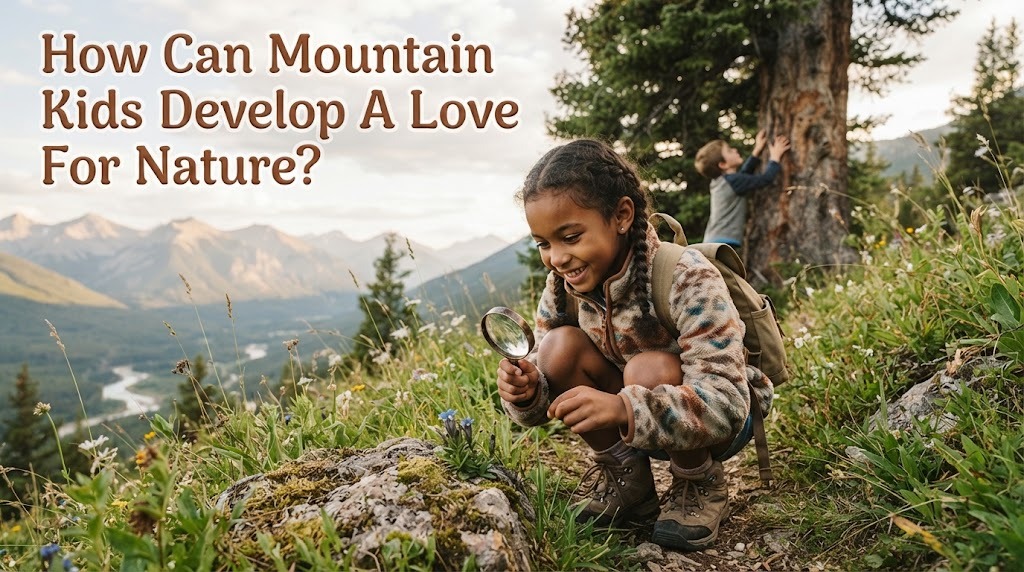
Developing a love for nature can begin with simple experiences outdoors. Mountain kids can spend time hiking, observing plants, enjoying natural scenery, and learning how different environments work. Regular contact with nature can help them understand its value and develop greater appreciation for the environment. A strong connection with nature can also encourage more responsible behavior when exploring outdoor areas.
SPENDING MORE TIME OUTDOORS
One simple way mountain kids can develop a love for nature is by spending more time outdoors. Hiking, camping, walking in forests, or visiting natural parks can provide opportunities to experience different environments directly. Being outside allows people to see, hear, and feel nature rather than only learning about it from books or screens. These experiences can make nature feel more familiar and meaningful.
Outdoor activities do not always need to be difficult or long. A short walk in a natural area can also provide valuable experiences. Mountain kids can observe trees, listen to birds, or simply enjoy the fresh surroundings. The more positive experiences they have outdoors, the more likely they are to appreciate natural environments.
OBSERVING NATURE CAREFULLY
Mountain kids can develop appreciation for nature by paying attention to small details. They can observe different plants, insects, rocks, birds, and changes in the landscape. Looking closely can help them understand that every part of an ecosystem has its own role. This makes outdoor activities more interesting and educational.
Observation can also encourage curiosity and respect for living things. Instead of simply passing through a forest, hikers can take time to notice how nature changes from one location to another. They should observe wildlife from a safe distance and avoid disturbing animals or plants. This respectful approach can create a stronger connection with the natural world.
LEARNING ABOUT THE ENVIRONMENT
Knowledge can make people appreciate nature more deeply. Mountain kids can learn about plants, animals, ecosystems, weather, and environmental problems through hiking and other outdoor activities. Understanding how natural systems work can show why forests, rivers, mountains, and wildlife need protection. This knowledge can turn simple outdoor experiences into meaningful learning opportunities.
Learning does not always have to happen in a classroom. Hikers can read signs on trails, use simple field guides, or learn from reliable educational resources. They can also ask experienced people questions about the environment. The more they understand nature, the easier it becomes to recognize its value.
KEEPING NATURE CLEAN
A love for nature should also encourage responsible environmental habits. Mountain kids can start by carrying their rubbish home or using designated waste bins when available. They should avoid damaging plants, disturbing wildlife, or leaving unnecessary objects on trails. Keeping natural areas clean shows that they care about the places they enjoy.
Small actions can have a positive effect when many people practice them. Mountain kids can also remind their friends to protect the environment during outdoor activities. Choosing reusable items and reducing unnecessary waste can support cleaner hiking areas. Responsible habits help protect nature while allowing people to continue enjoying it.
ENJOYING NATURE WITH FRIENDS
Sharing outdoor experiences with friends can make a connection with nature more enjoyable. Mountain kids can hike, camp, explore, or watch beautiful scenery together. Positive memories created in nature may encourage them to return and explore more places. Friendship can therefore become part of their appreciation for the environment.
Group activities can also teach people to care about the places they visit. Friends can work together to keep a campsite clean or collect their own waste before leaving. These shared experiences can create a feeling that nature is something worth protecting together. Enjoying nature responsibly can strengthen both friendships and environmental awareness.
TAKING TIME TO ENJOY NATURAL BEAUTY
Mountain kids can develop a stronger connection with nature by slowing down and appreciating natural beauty. Instead of focusing only on reaching the summit, they can enjoy the scenery along the trail. Sunlight through trees, mountain views, fresh air, and natural sounds can make a simple journey memorable. These moments can help people recognize the value of peaceful outdoor spaces.
Taking photos can also help hikers remember special experiences, as long as they do so without disturbing nature. However, enjoying nature does not always require a camera or phone. Sometimes, simply sitting quietly and observing the surroundings can be enough. These peaceful moments can make people feel more connected to the environment.
PARTICIPATING IN NATURE CONSERVATION
Developing a love for nature can eventually lead to active environmental care. Mountain kids can participate in activities such as trail cleanups, tree planting, or other community conservation programs when available. These activities allow them to contribute directly to the protection of natural areas. They can also learn that protecting nature requires cooperation and consistent effort.
Conservation does not always require large actions. Following hiking rules, respecting wildlife, reducing waste, and staying on appropriate trails are already useful contributions. By practicing these habits regularly, mountain kids can become more responsible nature lovers. Their actions can also encourage others to treat the environment with greater care.
CONCLUSION
Mountain kids can develop a love for nature through regular outdoor experiences, careful observation, environmental learning, and responsible habits. Spending time with friends in natural areas can also create positive memories and a stronger emotional connection to the environment. Most importantly, enjoying nature should go together with protecting it. When people understand and appreciate the natural world, they are more likely to help keep it healthy for the future.
About the Author
Gusti Ayu Tita P
Author — STEKOM University
An active author focused on academic issues, educational technology, and human resource development in the campus environment.



