
How Can Mountain Kids Help Protect The Environment?
Gusti Ayu Tita P
22 September 2026
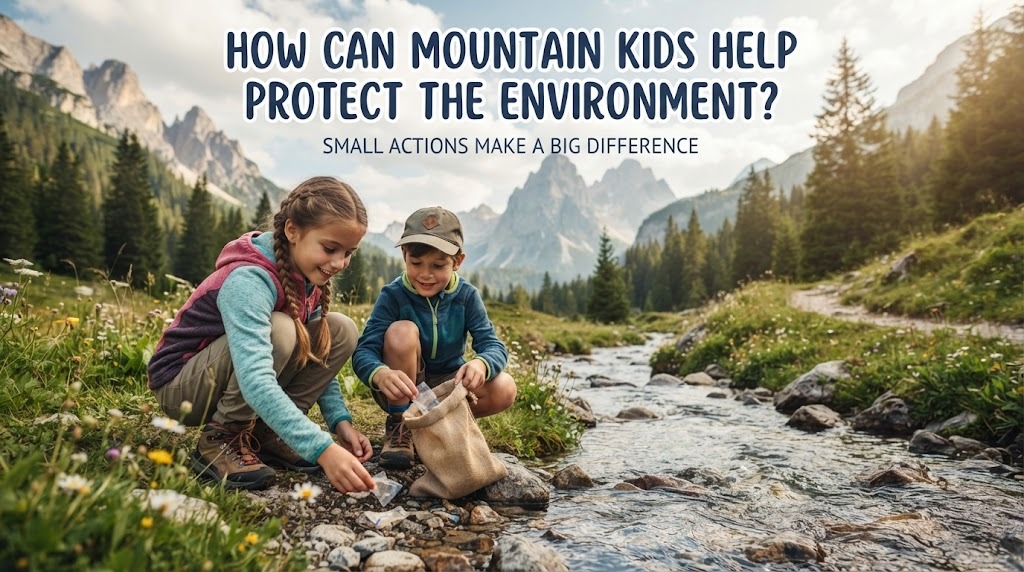
Mountain kids are an informal term for people who enjoy hiking, mountains, and outdoor activities. Because they often spend time in natural areas, they can play a role in keeping these places clean and protected. Simple actions such as managing waste, respecting wildlife, and following hiking rules can make a meaningful difference. Protecting the environment is not only the responsibility of park managers or local authorities. Every visitor can contribute to keeping nature healthy and sustainable.
BRING ALL WASTE HOME
One of the most important ways mountain kids can protect nature is by taking their waste home. Food packaging, plastic bottles, tissues, and other trash can pollute the environment and reduce the beauty of hiking areas. Some waste can also be dangerous if animals eat it or become trapped in it. Hikers should prepare a small waste bag and use it throughout the journey. Before leaving the mountain, they should make sure that no personal waste is left behind.
AVOID DAMAGING PLANTS
Mountain kids should avoid picking flowers, breaking branches, or damaging plants while hiking. Plants are part of the mountain ecosystem and provide important habitats and resources for many organisms. Staying on designated trails can help reduce damage to vegetation around the hiking route. Hikers should also avoid creating shortcuts because repeated foot traffic can damage soil and plants. Respecting vegetation is a simple way to help protect natural habitats.
RESPECT WILDLIFE
Wild animals should be observed from a safe distance without being chased, touched, or fed. Feeding wildlife can change their natural behavior and may make them dependent on human food. Mountain kids should also avoid making excessive noise when passing through areas where animals live. Taking photographs from a safe distance is generally more responsible than trying to interact with wildlife. Respecting animals and their habitats helps maintain a healthier natural environment.
FOLLOW HIKING RULES
Every mountain or protected area may have specific regulations designed to protect visitors and the environment. Mountain kids should follow official hiking rules, including restrictions on camping, fires, waste disposal, and access to certain areas. These rules can help protect sensitive ecosystems and reduce risks to hikers. Before starting a trip, hikers should learn about the regulations of the destination. Following local guidance shows respect for nature and the people who manage it.
USE WATER AND RESOURCES WISELY
Mountain kids can also protect the environment by using natural resources carefully. Water from natural sources should not be contaminated with soap, food waste, or other substances. Hikers should bring enough water for their needs and avoid unnecessary waste. When camping, they should follow local guidance about where they can wash, cook, or dispose of wastewater. Using natural resources responsibly helps reduce the impact of outdoor activities.
KEEP CAMPING AREAS CLEAN
For hikers who camp, keeping the campsite clean is an important environmental responsibility. Food scraps should not be left around because they can attract animals and create unwanted changes in their behavior. Campfires should only be made where they are permitted and should follow local safety regulations. Before leaving, hikers should check the area carefully and take their belongings and waste with them. A clean campsite helps ensure that other visitors can enjoy nature without unnecessary pollution.
ENCOURAGE OTHER HIKERS
Mountain kids can create a wider positive impact by encouraging friends and other hikers to care about the environment. They can politely remind others to manage their waste, stay on trails, and respect wildlife. Sharing responsible hiking habits can help create a stronger culture of environmental awareness. Social media can also be used to share educational information about protecting natural areas rather than encouraging harmful activities. Small actions from many people can contribute to better environmental protection.
CONCLUSION
Mountain kids can help protect the environment through simple but consistent actions. Taking waste home, protecting plants, respecting wildlife, following local rules, using resources wisely, and keeping campsites clean are important examples. They can also encourage other hikers to develop responsible habits while enjoying nature. Protecting mountains does not require complicated actions because everyday behavior can have an impact. By becoming responsible visitors, mountain kids can help keep natural areas clean, safe, and sustainable for future generations.
About the Author
Gusti Ayu Tita P
Author — STEKOM University
An active author focused on academic issues, educational technology, and human resource development in the campus environment.



