How Can Organizational Experience and Student Activism Support Career Development?
Gusti Ayu Tita P
28 September 2026
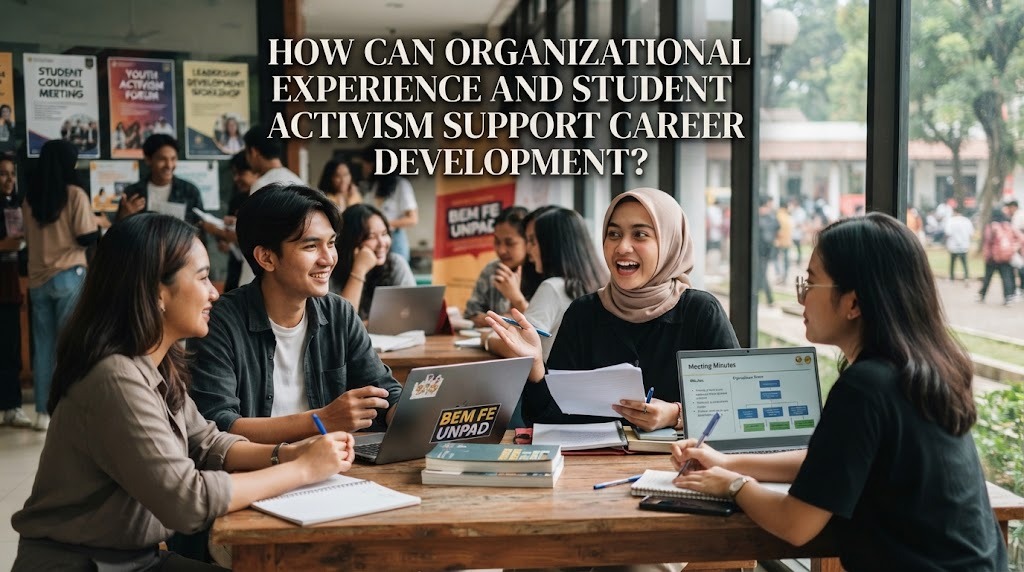
Organizational experience and student activism can provide students with practical opportunities to develop skills that may be useful in their future careers. Through organizations and responsible activities, students can practice communication, teamwork, leadership, and problem-solving. These experiences can complement academic knowledge by giving students opportunities to apply skills in real situations. Students can also learn how to work with people who have different backgrounds and perspectives. When combined with academic preparation, these experiences can support broader Career Development.
DEVELOPING COMMUNICATION SKILLS
Organizational activities can give students regular opportunities to communicate with team members, coordinators, and other groups. Students may participate in meetings, presentations, discussions, and event planning. Communication Skills can improve as students learn to explain ideas clearly and listen to feedback. They can also practice adjusting their communication style according to different situations. These abilities are useful in academic projects and professional environments.
Student activism can also involve communicating concerns to wider audiences. Students may need to prepare messages, discuss issues, or present arguments based on available information. Public Speaking can develop through repeated practice and preparation. Students can learn to communicate confidently while still respecting different perspectives. Effective communication can become an important part of their professional readiness.
BUILDING LEADERSHIP EXPERIENCE
Organizations often give students opportunities to take responsibility for specific tasks or projects. They may coordinate activities, manage teams, or help make decisions. Leadership Skills can develop when students learn how to delegate responsibilities and support team members. They can also learn to remain accountable for the results of their work. These experiences can provide practical lessons that are difficult to gain from theory alone.
Leadership experience can also teach students how to respond to different challenges. They may need to solve scheduling problems, manage disagreements, or adjust plans when circumstances change. Responsible Leadership involves listening to team members and considering the effects of decisions. Students can learn from both successful and unsuccessful experiences. These lessons can help them become more prepared for future responsibilities.
STRENGTHENING TEAMWORK AND COLLABORATION
Career environments often require people to work with colleagues toward shared objectives. Organizational activities allow students to practice dividing tasks, coordinating schedules, and supporting other members. Teamwork Skills can grow when students understand how individual responsibilities contribute to group results. They can also learn to appreciate different strengths and working styles. Regular collaboration can improve their ability to function effectively within a team.
Student activism can also involve cooperation among people with different opinions. Students may need to find common ground while maintaining respectful communication. Collaborative Work can teach them how to discuss differences and search for practical solutions. These experiences can help students become more adaptable when working with diverse teams. Collaboration skills are relevant to many academic and professional settings.
DEVELOPING PROBLEM-SOLVING ABILITIES
Organizational and student activities can involve unexpected challenges. Students may encounter limited resources, scheduling changes, communication problems, or differences between team members. Problem Solving skills can develop when students identify the main problem and consider possible solutions. They can learn to evaluate options instead of reacting impulsively. This experience can strengthen their ability to handle challenges.
Problem-solving also requires students to learn from previous experiences. After completing an activity, they can review what worked and what should be changed. Critical Thinking helps students evaluate information and consider possible consequences before making decisions. These abilities can support students when dealing with complex tasks in the workplace. Learning to solve problems collaboratively can also strengthen professional confidence.
BUILDING A PROFESSIONAL PROFILE
Organizational experience can become part of a student's portfolio when it demonstrates meaningful responsibilities and achievements. Students can document projects, leadership roles, event contributions, or relevant skills they developed. Career Preparation becomes stronger when students can explain what they learned from these experiences. Rather than simply listing activities, students can describe their responsibilities and results. This information may be useful when preparing a resume or discussing experience during interviews.
Student activism can also demonstrate skills such as communication, teamwork, organization, and social awareness when described objectively and responsibly. Students should present their experiences accurately and avoid exaggerating their contributions. Professional Skills can be connected to specific examples from activities. This can help employers understand how students have applied their abilities outside the classroom. Academic qualifications and relevant practical experiences can complement each other in career preparation.
CONCLUSION
Organizational experience and student activism can support career development by providing opportunities to strengthen Communication Skills, leadership, teamwork, problem-solving, and responsibility. These experiences can help students apply knowledge in practical situations and interact with people who have different perspectives. Students can also document relevant achievements as part of their Career Preparation. The value of an experience depends on what students learn, contribute, and can explain from it. Combined with academic knowledge and professional preparation, organizational and student activities can become useful parts of career development.
About the Author
Gusti Ayu Tita P
Author — STEKOM University
An active author focused on academic issues, educational technology, and human resource development in the campus environment.