
How Can Schools Encourage Students to Participate in Adiwiyata Activities?
Gusti Ayu Tita P
15 September 2026
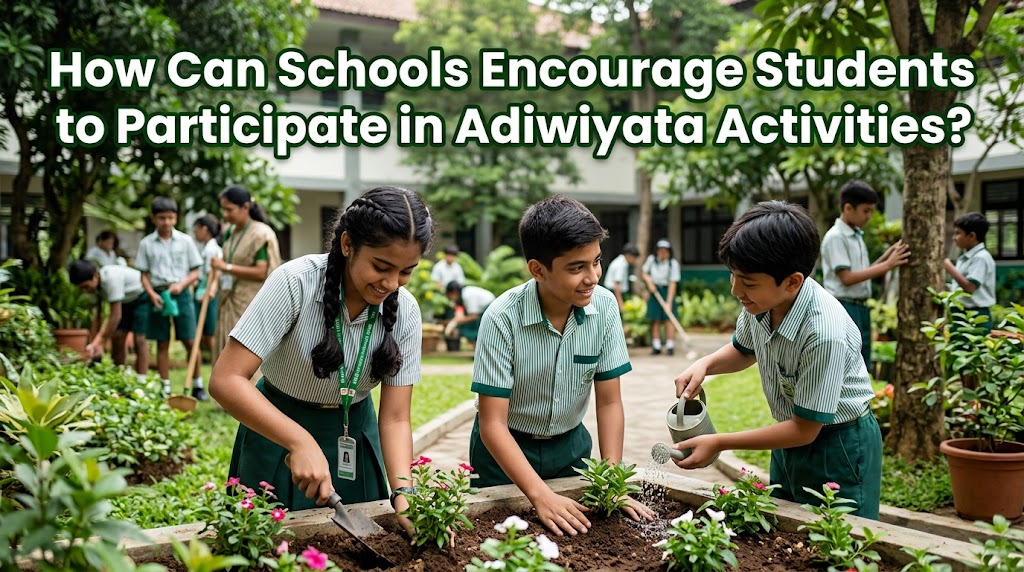
Student participation is an important part of creating a successful Adiwiyata School. Environmental programs cannot work effectively if students only receive instructions without becoming actively involved. Schools need to create activities that are interesting, practical, and suitable for students' abilities. Teachers and school staff can provide guidance while giving students opportunities to contribute ideas and take responsibility. Through active participation, students can develop environmental awareness, discipline, cooperation, and care for nature.
WHY IS STUDENT PARTICIPATION IMPORTANT IN THE ADIWIYATA PROGRAM?
Students are the main members of the school community who experience the school environment every day. Their daily actions can directly influence cleanliness, waste management, energy use, and the condition of green spaces. When students participate actively, environmental programs can become part of normal school life rather than occasional activities. Participation also gives students a sense of responsibility for the condition of their surroundings. Therefore, student participation is essential for building a strong environmental culture.
Active involvement can also provide valuable learning experiences. Students can learn teamwork, leadership, communication, problem-solving, and responsibility through environmental activities. These skills can be developed while students are working toward practical environmental goals. Instead of only learning about environmental issues from textbooks, students can experience how their actions can make a difference. This makes the Adiwiyata Program more meaningful and relevant to students.
WHAT ACTIVITIES CAN ENCOURAGE STUDENT PARTICIPATION?
Schools can provide a variety of activities so students can choose activities that match their interests. Examples include school gardening, tree planting, classroom cleaning, waste separation, recycling projects, and environmental campaigns. Students can also participate in creating posters, videos, articles, or social media content about environmental awareness. Different types of activities can give students more opportunities to contribute in their own ways. Interesting and varied environmental activities can make participation more enjoyable.
Schools can also organize competitions with positive environmental themes. For example, classes can compete to maintain the cleanest classroom, create the most informative environmental poster, or develop creative recycling projects using safe materials. Competitions should focus on learning, cooperation, and environmental responsibility rather than only winning. Teachers can provide clear guidelines so students understand the goals of each activity. Such programs can encourage more students to become involved in the Adiwiyata School Program.
HOW CAN TEACHERS MOTIVATE STUDENTS?
Teachers have an important role in motivating students to participate. They can explain the purpose of environmental activities clearly and show students how their contributions can benefit the school. Teachers can also provide positive feedback when students demonstrate responsible environmental behavior. Recognition does not always need to involve prizes because simple appreciation can make students feel that their efforts are valued. This can encourage students to continue participating in environmental education activities.
Teachers can also become role models by participating in environmental activities themselves. When students see their teachers cleaning, caring for plants, saving resources, or supporting waste management, the message becomes more convincing. Teachers can encourage students to work in groups so that participation feels less difficult or intimidating. They should also give students opportunities to suggest ideas instead of controlling every part of an activity. This approach can build confidence, teamwork, and responsibility among students.
HOW CAN SCHOOLS GIVE STUDENTS MORE RESPONSIBILITY?
Giving students appropriate responsibilities can increase their sense of ownership. Schools can create student teams or groups responsible for activities such as maintaining gardens, promoting waste separation, or organizing environmental campaigns. Each group can receive clear tasks and guidance from teachers or school staff. Students should be given responsibilities that match their age, abilities, and school regulations. Through this approach, students can learn that environmental care requires shared responsibility.
Students can also be involved in planning environmental activities. They can discuss problems they notice around the school and suggest possible solutions. Teachers can guide the discussion while allowing students to make appropriate decisions as a group. This can help students feel that the Adiwiyata program belongs to the whole school community rather than being only a management program. Greater involvement in planning can increase student ownership and motivation.
HOW CAN TECHNOLOGY MAKE ADIWIYATA ACTIVITIES MORE INTERESTING?
Technology can provide creative ways to encourage students to participate in environmental activities. Students can create digital posters, short videos, presentations, or educational content about waste reduction and conservation. Schools can also use digital platforms to announce activities and share information about environmental projects. Students who enjoy technology may become more interested when they can use their skills for environmental purposes. In this way, digital environmental campaigns can support student participation.
Technology can also help students document their activities. For example, students can record the progress of a school garden, recycling project, or environmental campaign through photos and videos. The documentation can be used to evaluate activities and share positive results with the school community. However, technology should support real environmental action rather than replace it. Combining digital creativity with practical activities can make the Adiwiyata Program more engaging for modern students.
HOW CAN SCHOOLS MAKE PARTICIPATION A DAILY HABIT?
Participation should not depend only on special environmental events. Schools can include simple environmental responsibilities in daily routines, such as keeping classrooms clean, sorting waste, caring for plants, and saving water and electricity. Teachers can remind students about these habits without making the activities feel like unnecessary burdens. When students repeat responsible actions regularly, environmental behavior can become a natural part of their daily lives. Consistency is important for developing a lasting environmental culture.
Schools should also evaluate their activities regularly. Students can be invited to share their opinions about which programs are useful, enjoyable, or difficult to maintain. Their feedback can help teachers and school management improve future activities. When students see that their opinions are considered, they may feel more connected to the program. Over time, continuous participation can help create a clean, healthy, and environmentally friendly school.
CONCLUSION
Schools can encourage students to participate in Adiwiyata activities by providing interesting programs, giving students meaningful responsibilities, and allowing them to contribute ideas. Teachers can motivate students through positive examples, guidance, appreciation, and teamwork. Activities such as school gardening, waste management, recycling, environmental campaigns, and conservation can provide practical learning experiences. Technology can also make environmental activities more creative when it is combined with real action. With consistent support and student involvement, the Adiwiyata School Program can become an active part of school life and help students develop responsible habits for the future.
About the Author
Gusti Ayu Tita P
Author — STEKOM University
An active author focused on academic issues, educational technology, and human resource development in the campus environment.















