How Can Self Control Help You Build a More Disciplined Lifestyle?
Gusti Ayu Tita P
31 Agustus 2026
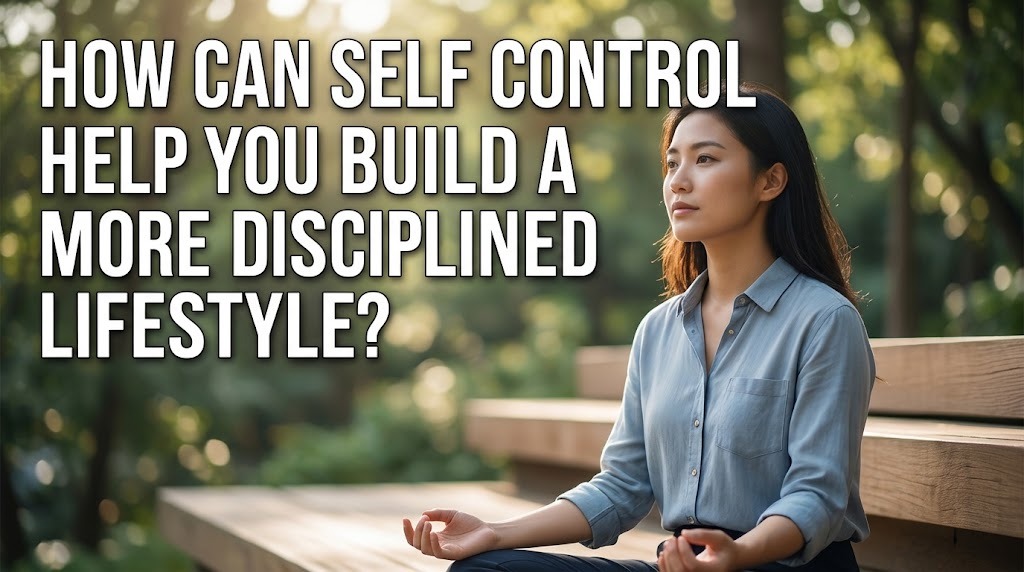
Self-control is an important ability that helps people manage their thoughts, emotions, habits, and actions. In daily life, distractions, stress, entertainment, and instant gratification can make it difficult to stay focused on important goals. Developing self control allows a person to pause, evaluate a situation, and choose an action that supports long-term benefits.
A disciplined lifestyle does not mean being strict with yourself all the time. Instead, it means creating consistent habits and making responsible choices even when motivation is low. With regular practice, self-control can support better productivity, emotional stability, healthy habits, and personal growth.
UNDERSTANDING THE MEANING OF SELF CONTROL
Self-control is the ability to regulate emotions, thoughts, impulses, and behavior in different situations. It helps a person avoid acting immediately on every desire or emotional reaction. For example, someone may choose to finish an important task before spending time on social media. This simple decision reflects the ability to prioritize long-term goals over short-term pleasure.
Self-control also involves recognizing personal triggers and understanding how they influence behavior. When people become aware of situations that make them distracted, angry, or impulsive, they can prepare better responses. Awareness is an important foundation for building stronger self-control because it gives people an opportunity to make deliberate choices instead of reacting automatically.
HOW SELF CONTROL SUPPORTS A DISCIPLINED LIFESTYLE
Self-control plays an important role in developing discipline because discipline requires repeated action. A person may have a goal, but achieving it usually depends on completing small tasks consistently. Self-control helps reduce unnecessary distractions and encourages people to follow their priorities. Over time, these repeated choices can become stable habits.
For example, students can use self-control to maintain a study schedule instead of constantly postponing their assignments. Employees can apply it by focusing on important responsibilities before checking nonessential notifications. Consistent self-control makes it easier to maintain routines, even when there is little motivation or when immediate distractions seem more attractive.
PRACTICAL WAYS TO DEVELOP BETTER SELF CONTROL
Developing self-control starts with setting realistic goals and creating clear daily routines. Large goals can be divided into smaller actions so they feel easier to manage. People can also remove unnecessary distractions from their environment, such as turning off nonessential notifications while working. These small adjustments can make disciplined behavior easier to maintain.
Another useful strategy is to practice the pause technique before responding to strong emotions or impulses. Taking a few seconds to breathe and consider the consequences can prevent unnecessary reactions. It is also helpful to track progress and recognize situations where self-control becomes difficult. Progress should be built gradually, because trying to change too many habits at once can make a routine difficult to sustain.
MANAGING EMOTIONS AND IMPULSIVE BEHAVIOR
Emotional control is closely connected to self-control because emotions can strongly influence decisions. Anger, frustration, excitement, or anxiety may encourage people to react before thinking about the consequences. Learning to identify these emotions allows individuals to create space between the feeling and the response. This can lead to calmer and more thoughtful behavior.
Managing impulsive behavior does not mean suppressing every emotion. Instead, it means learning how to respond appropriately to emotional situations. Simple practices such as deep breathing, taking a short break, writing down thoughts, or discussing problems calmly can help. Choosing a response instead of reacting immediately can protect relationships, improve decision-making, and reduce avoidable mistakes.
BUILDING CONSISTENT HABITS FOR LONG TERM DISCIPLINE
Long-term discipline develops through repetition rather than sudden changes. People can begin with manageable habits, such as waking up at a consistent time, organizing daily priorities, exercising regularly, or completing important tasks before leisure activities. When these actions are repeated, they can gradually become part of a person's routine. Consistency is often more valuable than temporary motivation.
It is also important to accept occasional setbacks. Missing a routine for one day does not mean that all progress has been lost. Instead of giving up, a person can identify what caused the setback and return to the routine as soon as possible. A flexible approach helps make discipline sustainable and prevents unrealistic expectations from becoming a source of frustration.
CONCLUSION
Self-control can help people build a more disciplined lifestyle by improving their ability to manage impulses, emotions, attention, and daily decisions. It supports consistent behavior and makes it easier to prioritize meaningful goals over temporary distractions. Strong discipline is developed through repeated choices, not through perfection.
By setting realistic goals, reducing distractions, managing emotions, and practicing healthy routines, anyone can gradually strengthen self-control. The process requires patience and consistency, but the benefits can extend to productivity, relationships, decision-making, and personal development. Self-control is therefore a practical skill that can help create a more balanced, focused, and responsible lifestyle.
About the Author
Gusti Ayu Tita P
Author — STEKOM University
An active author focused on academic issues, educational technology, and human resource development in the campus environment.