
How Can Self Sabotage Affect Your Relationships?
Gusti Ayu Tita P
11 September 2026
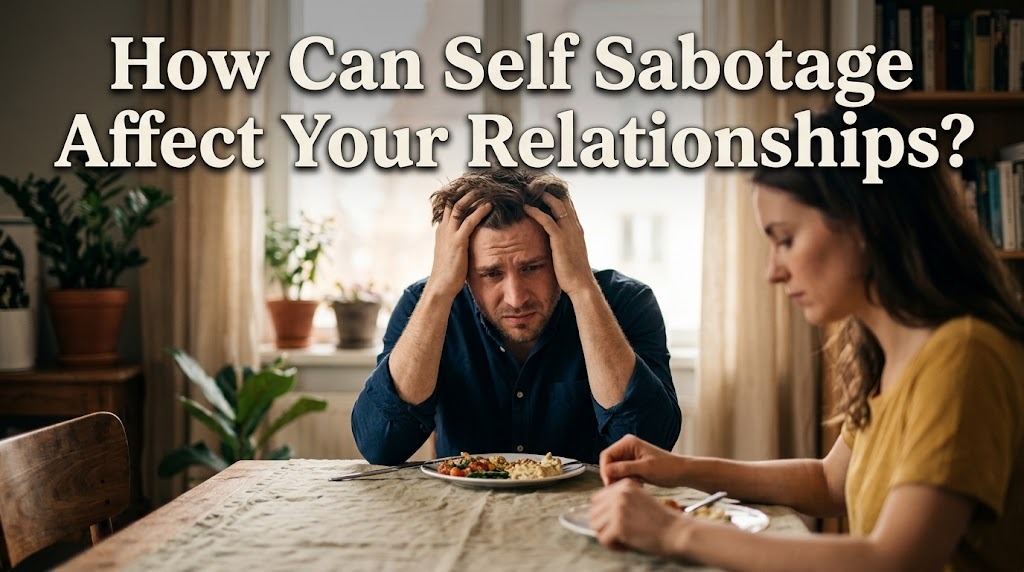
Relationships can bring happiness, support, and a sense of connection, but they can also reveal personal habits that are difficult to recognize. One of these habits is self sabotage, a pattern of thoughts or behaviors that unintentionally creates problems for yourself. In relationships, self sabotage may appear through excessive jealousy, poor communication, unrealistic expectations, or pushing someone away without a clear reason. These behaviors do not always happen because a person wants to damage the relationship. Understanding how self sabotage works can help people build healthier relationships and respond to emotional challenges more wisely.
WHAT IS SELF SABOTAGE IN RELATIONSHIPS?
Self sabotage in relationships happens when a person repeatedly behaves in ways that make a healthy relationship more difficult, even when they actually want love, trust, and stability. For example, someone may avoid emotional conversations because they are afraid of being rejected. Another person may constantly look for mistakes in their partner because they believe the relationship will eventually fail. These behaviors can create problems that might not have existed otherwise. Over time, repeated negative patterns can weaken trust, communication, and emotional connection.
Self sabotage can be intentional in appearance but unconscious in its underlying motivation. A person may recognize that their behavior is harmful but still struggle to understand why they continue doing it. Past experiences, insecurity, fear of abandonment, or low self confidence can influence these reactions. When these issues are not addressed, small misunderstandings may develop into larger conflicts. Recognizing the pattern is an important first step toward creating a more stable and respectful relationship.
COMMON WAYS SELF SABOTAGE CAN DAMAGE RELATIONSHIPS
There are many ways self sabotage can affect romantic relationships, friendships, and even family connections. One common example is constantly seeking reassurance because of insecurity, which may eventually make the other person feel emotionally pressured. Another example is withdrawing whenever a relationship becomes more serious because closeness creates fear or discomfort. Some people also create unnecessary arguments, assume negative intentions, or compare their relationship with other people's relationships. Such behaviors can gradually create emotional distance between people.
Poor communication is another major source of relationship problems. Instead of explaining their feelings clearly, a person may use silence, indirect criticism, or emotional avoidance. Unrealistic expectations can also become harmful when someone expects another person to understand every feeling without being told. These patterns may cause frustration because both sides have different interpretations of the situation. If they continue for a long time, the relationship may become less comfortable and less emotionally secure.
WHY INSECURITY AND FEAR CAN TRIGGER SELF SABOTAGE
Insecurity is one factor that can contribute to self sabotaging behavior in relationships. A person who does not feel worthy of love may constantly worry that their partner will leave them for someone better. This fear can lead to jealousy, excessive checking, overthinking, or repeatedly asking whether the relationship is still safe. Ironically, these reactions may create tension and produce the very distance that the person fears. Learning to separate realistic concerns from anxious assumptions can help reduce this cycle.
Fear of rejection and abandonment can also influence relationship behavior. Someone who has experienced painful relationships in the past may become overly defensive when entering a new one. They may believe that leaving first is safer than being left later. However, protecting yourself from possible pain by avoiding emotional closeness can prevent genuine connection from developing. Building self awareness and learning to communicate fears openly can make it easier to respond to relationships without automatically expecting the worst.
HOW TO STOP SELF SABOTAGING YOUR RELATIONSHIPS
The first step to stopping self sabotage is to identify the repeated patterns that create problems. Pay attention to situations that frequently trigger jealousy, anger, withdrawal, or excessive worry. Writing down what happened, what you thought, and how you reacted can help reveal connections between emotions and behavior. Instead of immediately acting on an emotional reaction, give yourself time to understand what you are actually feeling. This simple pause can prevent impulsive decisions that may damage a relationship.
Healthy communication is equally important. Explain your feelings directly instead of expecting another person to guess what is happening inside your mind. Set realistic expectations, listen to the other person's perspective, and accept that disagreements are normal in healthy relationships. It is also important to develop self confidence so that your sense of worth does not depend entirely on another person's attention or approval. When self sabotage becomes difficult to manage alone, talking with a qualified mental health professional can provide additional support and guidance.
BUILDING HEALTHIER RELATIONSHIPS BY CHANGING OLD PATTERNS
Changing self sabotaging behavior does not mean becoming a perfect partner, friend, or family member. It means becoming more aware of your reactions and choosing responses that support trust, respect, and emotional safety. Healthy relationships require effort from everyone involved, including honest communication, mutual boundaries, patience, and willingness to learn from mistakes. When a person understands their triggers, they can gradually replace destructive reactions with more constructive habits. Progress may be gradual, but consistent changes can significantly improve relationship quality.
It is also important to remember that not every relationship problem is caused by self sabotage. Sometimes conflict occurs because of genuine differences, unhealthy behavior from another person, or incompatible expectations. Recognizing this distinction prevents people from blaming themselves for every problem. A healthy relationship should allow both people to express concerns, maintain boundaries, and feel respected. By combining self awareness with healthy communication, people can reduce harmful patterns and create stronger connections.
CONCLUSION
Self sabotage can affect relationships by creating unnecessary conflict, emotional distance, insecurity, and communication problems. Fear of rejection, low self confidence, past experiences, and unrealistic expectations may contribute to these patterns. The good news is that self sabotaging behavior can be changed through greater self awareness, honest communication, emotional regulation, and healthier daily habits. People do not need to eliminate every insecurity before building meaningful relationships. What matters is learning to recognize harmful patterns and choosing healthier responses that support trust and connection.
About the Author
Gusti Ayu Tita P
Author — STEKOM University
An active author focused on academic issues, educational technology, and human resource development in the campus environment.















