How Can Senior Employees Adapt to New Technology at Work?
Gusti Ayu Tita P
25 September 2026
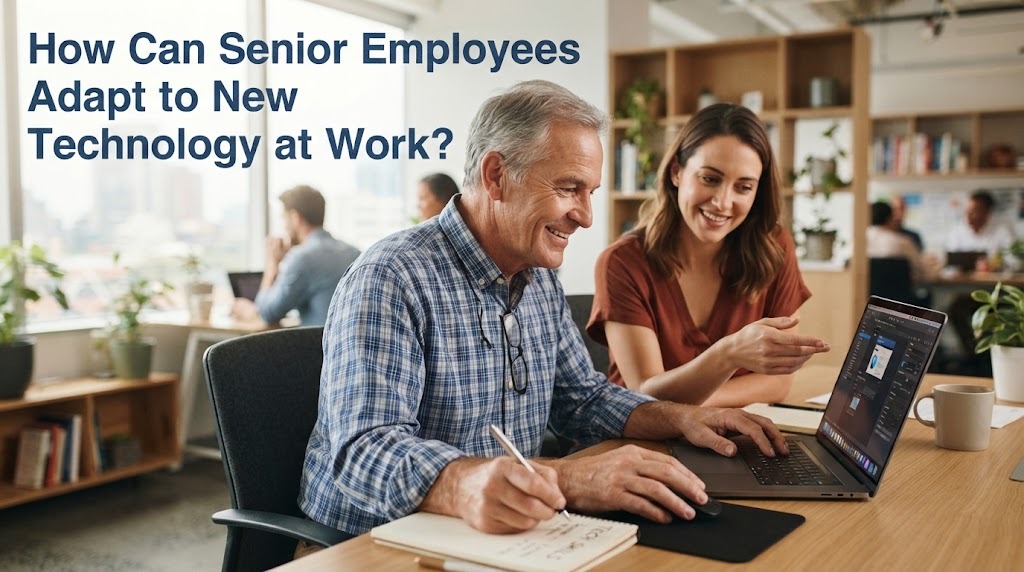
Technology continues to change the way companies communicate, manage information, complete tasks, and serve customers. For senior employees, learning new technology can sometimes feel challenging because they may already be comfortable with established working methods. However, years of professional experience can become an advantage when combined with digital skills and a willingness to learn. Adapting to new technology can help senior employees remain productive, confident, and relevant in the modern workplace.
START WITH BASIC DIGITAL SKILLS
Senior employees can begin by strengthening basic digital skills before learning more advanced technology. This may include using workplace software, email platforms, cloud storage, video meeting applications, and digital communication tools. Understanding the basic functions of these tools can make everyday tasks easier. Digital literacy provides an important foundation for adapting to more complex technologies.
Learning does not need to happen all at once. Senior employees can choose one tool that is directly related to their daily responsibilities and practice it regularly. Small improvements can gradually increase confidence and reduce anxiety about technology. Consistent practice is often more effective than trying to learn many unfamiliar tools at the same time.
JOIN TRAINING AND WORKSHOPS
Workplace training can provide senior employees with structured opportunities to learn new technology. Companies may offer training sessions, workshops, tutorials, or mentoring programs to introduce new digital systems. Employees can use these opportunities to ask questions and practice new skills with guidance. Technology training can make the transition to new systems more organized.
Senior employees should not hesitate to ask for additional explanations when a technology seems difficult. Trainers and younger colleagues may be able to explain unfamiliar tools using simple examples. Taking notes and practicing after training can also improve understanding. A supportive learning environment can make digital adaptation more comfortable and practical.
LEARN FROM YOUNGER COLLEAGUES
Younger employees may have experience with certain digital tools that senior employees have not used before. Senior employees can take advantage of this by asking younger colleagues for guidance when appropriate. This creates an opportunity for two-way learning rather than making technology a generational barrier. Younger workers can share technical knowledge while senior employees contribute professional experience.
This type of collaboration can also strengthen relationships between different generations. Senior employees should feel comfortable admitting when they need help with a new tool. At the same time, younger employees should communicate patiently and respectfully. Intergenerational learning can help employees develop skills while building stronger teamwork.
PRACTICE TECHNOLOGY THROUGH DAILY TASKS
Technology becomes easier to understand when employees use it in real workplace situations. Senior employees can practice new systems by applying them to tasks they already understand. For example, they may use digital project management tools, online databases, or collaboration platforms during regular work. Hands-on learning can make unfamiliar technology more practical.
Senior employees should allow themselves enough time to make and correct small mistakes during the learning process. Trying different features can improve familiarity with the system. Repeated use can eventually make new technology feel like a normal part of the work routine. Practical experience can therefore turn new digital skills into useful workplace habits.
UNDERSTAND THE PURPOSE OF NEW TECHNOLOGY
Senior employees may adapt more easily when they understand why a company is introducing a new technology. Instead of focusing only on how a tool works, they can consider what problem it is designed to solve. New technology may help reduce repetitive tasks, improve communication, organize information, or support faster decision making. Understanding its purpose can increase technology acceptance.
Companies should also explain how new systems will affect employees' responsibilities. Senior employees can ask how the technology improves existing processes and what skills they need to develop. This allows them to connect digital changes with their professional experience. Understanding the benefits of technology can make the learning process more meaningful.
DEVELOP A POSITIVE ATTITUDE TOWARD CHANGE
Adapting to technology requires more than technical knowledge. Senior employees also need a willingness to experiment, learn from mistakes, and adjust established habits. A positive attitude can reduce the fear of unfamiliar systems. Adaptability helps employees respond more confidently when technology changes again in the future.
Senior employees should remember that they do not need to become technology experts immediately. The goal is to develop enough knowledge to use digital tools effectively in their responsibilities. Combining professional experience with new technical skills can create a strong workplace advantage. Continuous learning can help senior employees remain prepared for future changes.
USE EXPERIENCE AS AN ADVANTAGE
Senior employees have professional knowledge that can help them understand how technology should be used in real workplace situations. Their experience with customers, processes, risks, and business operations can help them evaluate whether a digital tool is actually useful. Professional experience and technology skills can complement each other rather than compete.
Senior employees can also help companies introduce technology more effectively by sharing practical concerns with managers and technology teams. They may identify problems that are not immediately visible to people who focus only on technical functions. This makes their experience valuable during digital transformation. Combining experience with digital knowledge can support effective workplace innovation.
CONCLUSION
Senior employees can adapt to new technology by developing digital skills, joining training, learning from colleagues, practicing through daily tasks, and understanding the purpose of new tools. They should approach technology as an opportunity to improve their existing abilities rather than as a replacement for their professional experience. With regular practice and support, unfamiliar systems can become easier to use.
Successful technology adaptation also requires patience, openness, and continuous learning. Senior employees can combine their years of experience with modern digital skills to remain productive and valuable in changing workplaces. By developing digital literacy and adaptability, they can confidently participate in the modern workplace and contribute to successful technological change.
About the Author
Gusti Ayu Tita P
Author — STEKOM University
An active author focused on academic issues, educational technology, and human resource development in the campus environment.