
How Can Senior Employees Handle Workplace Conflicts?
Gusti Ayu Tita P
25 September 2026
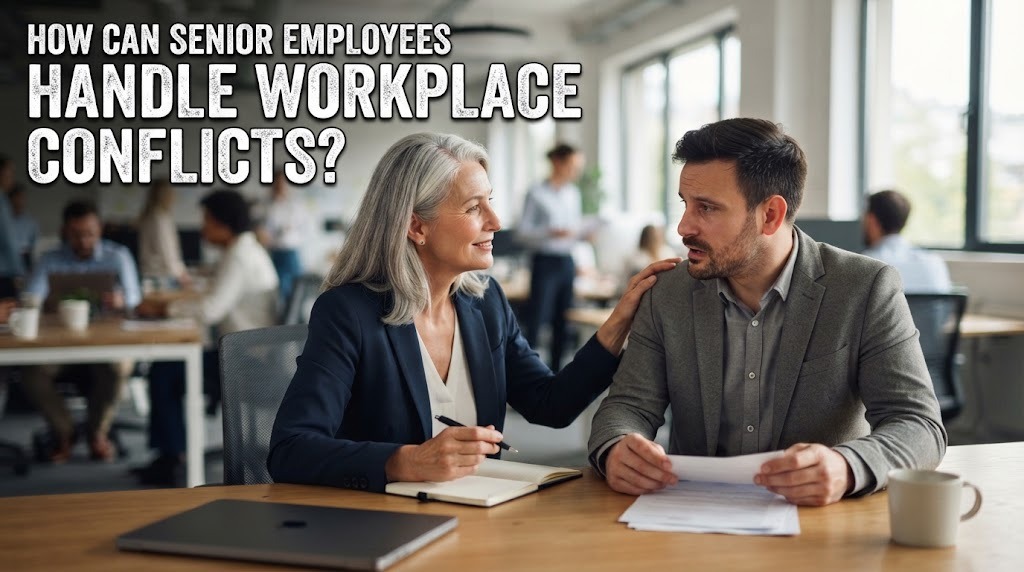
Workplace conflicts can happen in any organization, including among experienced employees. Differences in opinions, communication styles, responsibilities, or working methods can create tension between colleagues. Senior employees often have enough professional experience to help manage these situations calmly and constructively. By using effective conflict management, senior employees can help maintain healthy relationships and support a positive work environment.
LISTEN TO ALL SIDES OF THE CONFLICT
One important step in handling workplace conflict is listening carefully to everyone involved. Senior employees should give each person an opportunity to explain their perspective without immediately taking sides. Active listening can help reveal the real cause of a disagreement and prevent misunderstandings from becoming larger problems. It also shows that each employee's concerns are being taken seriously.
Senior employees should pay attention not only to what people say but also to the facts surrounding the situation. Asking clear questions can help separate personal assumptions from actual workplace issues. This approach allows employees to feel heard while giving the senior employee a better understanding of the problem. Fair communication can create a stronger foundation for resolving disagreements.
REMAIN CALM AND PROFESSIONAL
Workplace conflicts can involve strong emotions, especially when employees feel misunderstood or treated unfairly. Senior employees should avoid responding with anger, sarcasm, or aggressive language. Maintaining a professional attitude can prevent the situation from becoming more stressful. A calm response can also encourage other employees to communicate more respectfully.
Being calm does not mean ignoring the problem. Senior employees can acknowledge that a conflict exists while focusing on possible solutions. They should avoid making personal attacks or bringing unrelated issues into the discussion. Emotional control can help keep the conversation focused on workplace responsibilities and practical solutions.
IDENTIFY THE ROOT CAUSE
Some workplace conflicts are caused by deeper issues rather than the disagreement that appears on the surface. Problems may involve unclear responsibilities, poor communication, workload differences, missed deadlines, or different expectations. Senior employees should identify the root cause of conflict before deciding how to address it. Solving only the visible problem may allow the same disagreement to happen again.
A useful approach is to ask when the problem started and what events contributed to it. Senior employees can review relevant tasks, communication, and responsibilities to understand the situation more clearly. They should focus on evidence rather than assumptions about someone's personality or intentions. Problem-solving skills can help turn a difficult situation into an opportunity for improvement.
FOCUS ON SOLUTIONS RATHER THAN BLAME
Blaming one person can make workplace conflict more difficult to resolve. Instead, senior employees should encourage everyone involved to discuss what can be done to improve the situation. Solution-focused communication helps employees move from arguing about the past toward creating practical steps for the future. This approach can also reduce defensiveness during difficult conversations.
Solutions should be realistic and connected to the actual workplace problem. For example, employees may need clearer task assignments, better communication procedures, or more regular team discussions. Senior employees can help both sides agree on specific actions and responsibilities. Constructive conflict resolution should aim to improve the working relationship rather than simply determine who was right or wrong.
COMMUNICATE EXPECTATIONS CLEARLY
Many workplace conflicts develop because employees have different understandings of their responsibilities. Senior employees can reduce this risk by communicating expectations clearly from the beginning. This may include explaining deadlines, work standards, team responsibilities, and communication procedures. Clear expectations can prevent confusion and reduce unnecessary disagreements.
When a conflict occurs, senior employees can revisit these expectations and identify where communication may have failed. They should explain responsibilities in a direct but respectful way. Employees should also have an opportunity to ask questions when expectations are unclear. Workplace communication becomes more effective when everyone understands what is expected from them.
RESPECT DIFFERENT WORKING STYLES
Employees may have different approaches to completing tasks, communicating, organizing schedules, or solving problems. Senior employees should recognize that a different working style does not automatically mean that someone is performing poorly. Respect for differences can help prevent minor disagreements from becoming serious workplace conflicts.
At the same time, different working styles should still meet company standards and team requirements. Senior employees can encourage employees to discuss their preferences and find ways to cooperate effectively. This is especially important in workplaces where employees from different generations and professional backgrounds work together. Workplace collaboration becomes stronger when differences are managed with respect.
KNOW WHEN TO INVOLVE MANAGEMENT OR HR
Not every workplace conflict can be solved informally. Serious disputes involving harassment, discrimination, threats, repeated misconduct, or significant workplace policy violations may require management or human resources involvement. Senior employees should understand their authority and avoid trying to handle matters beyond their responsibilities. Professional conflict management includes knowing when additional support is necessary.
When escalation is required, senior employees should provide relevant information objectively and avoid exaggerating personal opinions. Documentation of important events, conversations, or workplace incidents may also help the appropriate people understand the situation. The goal should be to ensure that the issue is handled through the company's established procedures. This can help protect both employees and the organization while supporting a safe and respectful workplace.
CONCLUSION
Senior employees can handle workplace conflicts by listening carefully, remaining calm, identifying root causes, and focusing on practical solutions. Clear communication and respect for different working styles can also prevent disagreements from becoming more serious. Their professional experience can be valuable when helping colleagues understand problems and find constructive ways forward.
Effective conflict management requires patience, fairness, and good judgment. Senior employees should know when a problem can be resolved through communication and when it requires support from management or HR. By handling disagreements professionally, they can contribute to better teamwork, stronger workplace relationships, and a healthier company environment.
About the Author
Gusti Ayu Tita P
Author — STEKOM University
An active author focused on academic issues, educational technology, and human resource development in the campus environment.