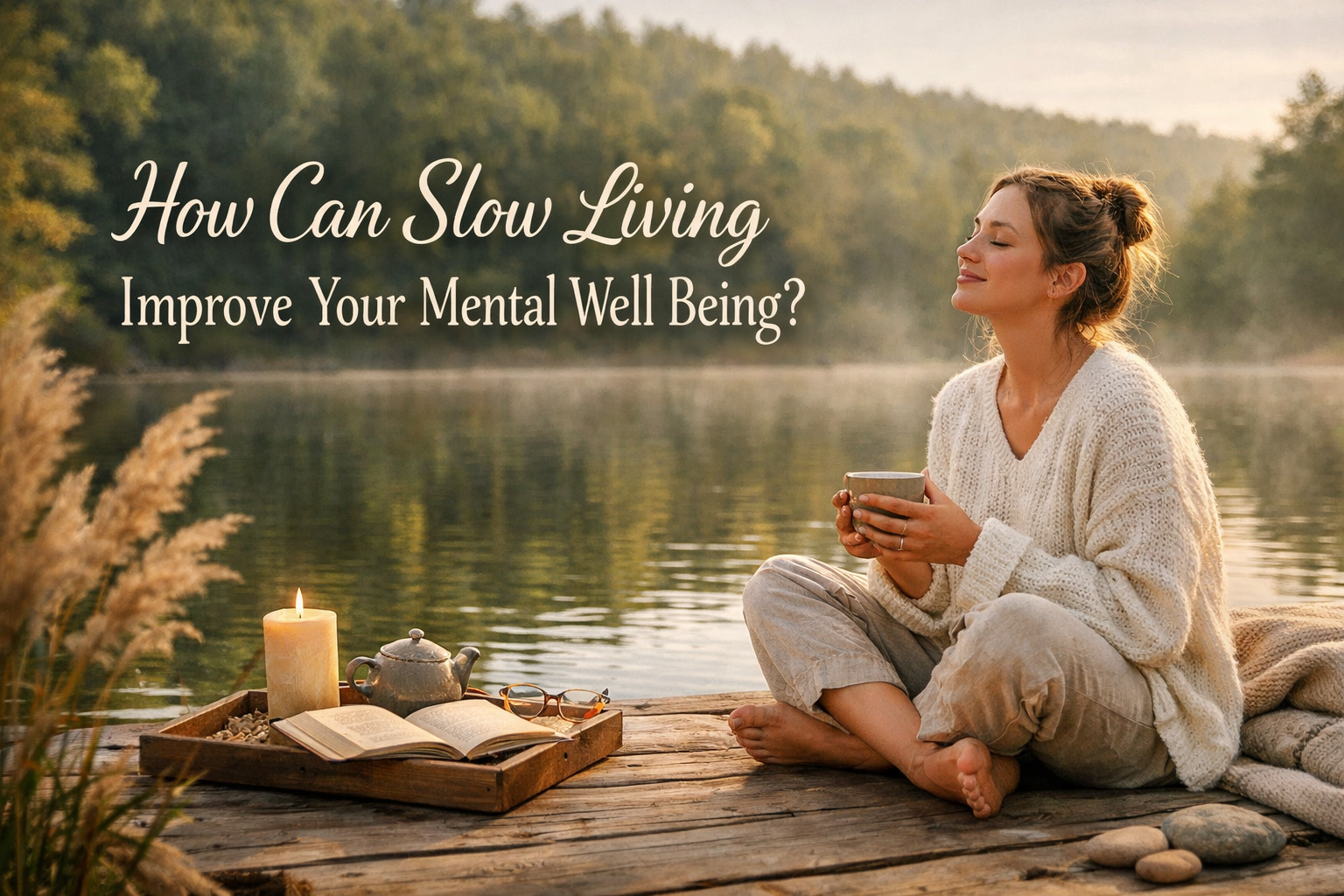
How Can Slow Living Improve Your Mental Well-Being?
Gusti Ayu Tita P
15 Juli 2026
UNDERSTANDING THE CONCEPT OF SLOW LIVING
Slow Living is a lifestyle philosophy that encourages individuals to pause, reflect, and embrace simplicity in daily life. It focuses on being present and appreciating small moments rather than rushing through tasks. This approach helps people reconnect with their surroundings and values, fostering a sense of balance and inner peace. In a world dominated by speed and productivity, Slow Living reminds us that quality matters more than quantity. By slowing down, we create space for mindfulness, creativity, and genuine human connection — all of which contribute to better mental health.
THE IMPACT OF SLOW LIVING ON MENTAL HEALTH
Adopting Slow Living can significantly reduce stress and anxiety. When we stop multitasking and focus on one thing at a time, our minds become calmer and more organized. This lifestyle promotes mental clarity, allowing us to make thoughtful decisions and avoid burnout. Moreover, Slow Living encourages gratitude and self-awareness. Taking time to enjoy nature, cook meals mindfully, or engage in meaningful conversations nurtures emotional stability. These small acts of mindfulness help regulate mood and improve overall well-being.
PRACTICAL WAYS TO EMBRACE SLOW LIVING
To practice Slow Living, start by simplifying your routine. Limit unnecessary commitments and prioritize activities that bring joy and fulfillment. Spend time outdoors, meditate, or journal your thoughts to stay grounded. Another effective method is digital detox — reducing screen time to reconnect with real-life experiences. Decluttering your space also helps create a peaceful environment that supports relaxation and focus.
THE CONNECTION BETWEEN MINDFULNESS AND SLOW LIVING
Mindfulness is at the heart of Slow Living. It teaches us to observe our thoughts and emotions without judgment. By being mindful, we learn to appreciate the present moment and let go of constant worries about the future. Practicing mindfulness through breathing exercises, yoga, or quiet reflection enhances emotional resilience. It empowers individuals to respond calmly to challenges, improving both mental and physical health.
CONCLUSION
Slow Living is not about doing less — it’s about doing things intentionally and meaningfully. By embracing this lifestyle, you cultivate a deeper sense of peace, happiness, and mental strength. In a fast-paced world, choosing to slow down is a powerful act of self-care that leads to lasting well-being.
About the Author
Gusti Ayu Tita P
Author — STEKOM University
An active author focused on academic issues, educational technology, and human resource development in the campus environment.