
How Can Social Anxiety Affect Everyday Life?
Gusti Ayu Tita P
11 September 2026
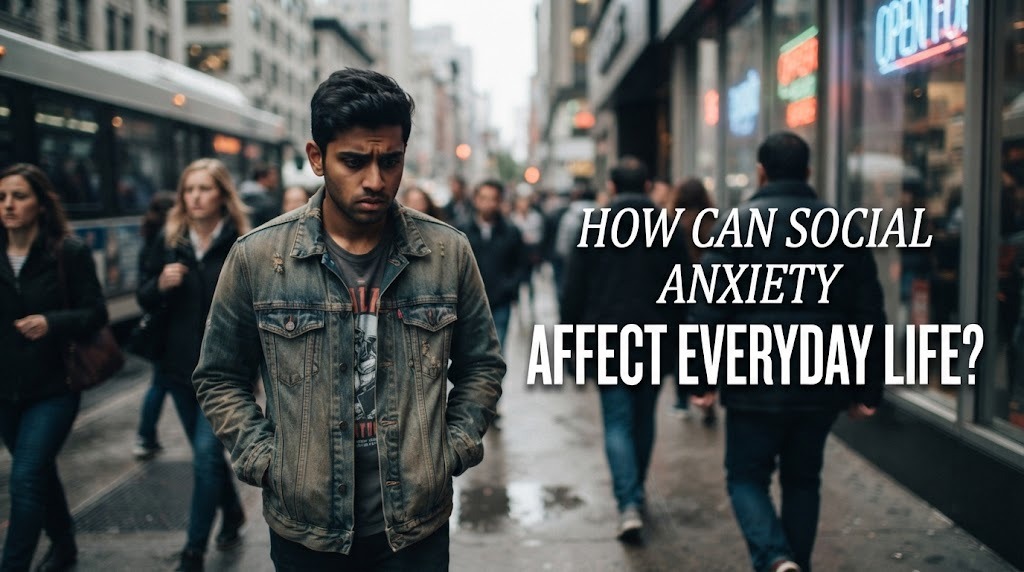
Social anxiety can affect much more than a person's comfort during social situations. It may influence communication, education, work, relationships, and everyday activities. Someone with social anxiety may feel intense fear or worry about being judged, embarrassed, or rejected by others. When these feelings happen frequently, they can make ordinary situations feel much more difficult.
The impact can be different for each person. Some people experience mild discomfort, while others may avoid important activities because their anxiety feels overwhelming. Understanding these effects can help people recognize when social anxiety is beginning to interfere with their quality of life.
MAKES SOCIAL INTERACTIONS MORE DIFFICULT
One of the most noticeable effects of social anxiety is difficulty with everyday social interaction. A person may feel nervous when talking to classmates, coworkers, neighbors, or unfamiliar people. Simple conversations can require a lot of mental preparation because they may worry about saying something wrong.
This anxiety can also make it difficult to participate naturally in conversations. Someone may speak less, avoid eye contact, or leave conversations quickly. Over time, these behaviors can make social activities feel tiring and uncomfortable.
CAN AFFECT SCHOOL AND WORK
Social anxiety can influence school and work performance when communication is an important part of daily responsibilities. Students may feel afraid to ask questions, give presentations, participate in discussions, or work in groups. Employees may experience similar difficulties during meetings, interviews, presentations, or workplace conversations.
The problem is not necessarily a lack of knowledge or ability. Fear of judgment can prevent someone from showing what they know or what they can do. As a result, social anxiety may limit opportunities that could otherwise support academic or professional growth.
CAN REDUCE SOCIAL PARTICIPATION
People with social anxiety may begin to avoid social activities because they expect them to be uncomfortable. They might decline invitations, avoid crowded places, or choose to stay home instead of meeting friends. Although avoiding these situations can provide temporary relief, it may increase anxiety in the long term.
Reduced participation can also limit opportunities to meet new people and experience enjoyable activities. Someone may gradually become less connected with their community or social group. This can create a cycle in which avoidance leads to fewer social experiences and lower confidence.
CAN AFFECT FRIENDSHIPS AND RELATIONSHIPS
Social anxiety may make it harder to build and maintain relationships. A person may hesitate to start conversations, express their feelings, or contact someone first. They may also worry that friends or partners secretly dislike them.
These concerns can cause unnecessary misunderstandings. Someone might become quiet or distant even when they actually want to connect with others. Supportive relationships can be especially valuable because understanding and patience may make social situations feel safer.
CAN LOWER SELF CONFIDENCE
Repeated anxiety in social situations can gradually affect self confidence. A person may begin to believe that they are not good at communicating or that other people are always better than them. Negative self-judgment can become stronger when they constantly compare themselves with others.
Low confidence may then increase social anxiety even further. Someone who expects to fail may enter a conversation already feeling nervous. Developing realistic expectations and recognizing personal strengths can help break this cycle.
CAN CAUSE OVERTHINKING
Social anxiety can lead to excessive overthinking before and after social situations. Before an event, a person may imagine everything that could go wrong. Afterward, they may repeatedly analyze what they said, how they looked, or how another person responded.
This mental process can be exhausting and may make it difficult to focus on other activities. In many cases, the person may judge themselves more harshly than others actually do. Learning to recognize unrealistic thoughts can help reduce unnecessary worry.
CAN CAUSE PHYSICAL DISCOMFORT
Social anxiety can produce physical symptoms as well as emotional symptoms. A person may experience sweating, trembling, blushing, a racing heartbeat, muscle tension, nausea, or difficulty speaking. These reactions can become especially noticeable during situations involving attention from other people.
Physical symptoms may create additional fear because someone may worry that others will notice them. This can make the original anxiety even stronger. Understanding that these reactions are common responses to anxiety can help reduce some of the fear surrounding them.
CAN REDUCE DAILY QUALITY OF LIFE
When social anxiety becomes severe, it can affect overall quality of life. A person may avoid activities they would normally enjoy because they are worried about interacting with others. Important opportunities, friendships, education, and career experiences may also be affected.
However, social anxiety does not have to control someone's life permanently. Gradual exposure, healthy coping strategies, social support, and professional help can make a meaningful difference. With appropriate support, many people can learn to manage anxiety and become more comfortable in everyday situations.
WHEN SHOULD SOMEONE SEEK HELP?
Occasional nervousness is normal, especially in unfamiliar social situations. Professional support may be worth considering when anxiety is persistent, intense, or regularly interferes with daily activities. Avoiding school, work, relationships, or important responsibilities because of fear can be an important warning sign.
A qualified mental health professional can help identify the patterns behind the anxiety and develop suitable strategies. Approaches such as cognitive behavioral therapy can help people understand anxious thoughts and gradually change unhelpful behaviors. Seeking help is a practical step toward improving daily functioning and well-being.
CONCLUSION
Social anxiety can affect many areas of everyday life, including communication, education, work, friendships, confidence, and participation in social activities. The effects may begin with small feelings of discomfort but become more limiting when avoidance and negative thinking continue. Recognizing these patterns can help someone understand that their difficulties are not simply a lack of confidence or social ability.
Managing social anxiety often requires patience and gradual progress. Building confidence, practicing social skills, challenging negative thoughts, maintaining supportive relationships, and seeking professional guidance when necessary can help reduce its impact. The goal is not to eliminate every uncomfortable feeling but to make everyday life more manageable and fulfilling.
About the Author
Gusti Ayu Tita P
Author — STEKOM University
An active author focused on academic issues, educational technology, and human resource development in the campus environment.















