How Can Student Activism Experience Become Valuable for Entering the Workplace?
Gusti Ayu Tita P
28 September 2026
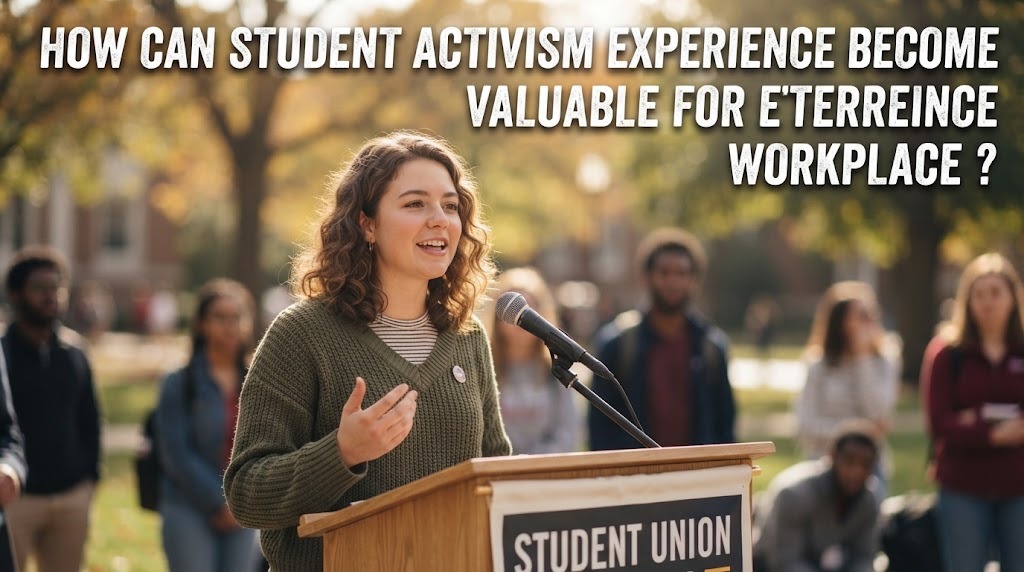
Student activism can provide practical experiences that may help students prepare for the workplace. Through responsible participation, students can develop communication, teamwork, leadership, problem-solving, and organizational skills. These experiences can show students how to work with different people and handle responsibilities outside the classroom. However, the value of an activity depends on what students actually learn and contribute. When presented accurately, relevant experiences can become part of a broader Career Preparation process.
DEVELOPING COMMUNICATION SKILLS
Student activism often requires students to communicate with peers, organizations, and other groups. They may participate in discussions, meetings, presentations, or public activities. Communication Skills can improve as students learn to explain ideas clearly and respond to different perspectives. They can also practice listening carefully before giving a response. These abilities are relevant to many workplace situations.
Students may also need to communicate information to a larger audience. Preparing messages and presenting ideas can strengthen Public Speaking abilities. Students can learn to organize information and use language appropriate to different audiences. They may also become more confident when explaining their ideas. These communication experiences can support professional interactions after graduation.
BUILDING TEAMWORK EXPERIENCE
Many student activism activities require cooperation between several participants. Students may divide tasks, coordinate schedules, and support one another to achieve a shared objective. Teamwork Skills can develop when students learn how to contribute effectively within a group. They can also understand the importance of completing their responsibilities. These experiences can be relevant when working with professional teams.
Working with different personalities can also teach students how to manage disagreements. Students can learn to discuss differences respectfully and focus on common objectives. Collaborative Work encourages participants to consider different ideas when developing solutions. This experience can improve adaptability and cooperation. Both qualities can be useful in workplaces with diverse teams.
STRENGTHENING LEADERSHIP SKILLS
Student activism can provide opportunities for students to take responsibility for specific tasks or activities. They may coordinate participants, organize schedules, or help manage communication. Leadership Skills can develop when students learn to guide activities while considering the needs of others. Leadership also requires accountability for decisions and results. These experiences can help students understand practical aspects of responsibility.
Leadership experience can also involve dealing with unexpected challenges. Students may need to adjust plans, solve coordination problems, or respond to changing circumstances. Responsible Leadership involves making decisions carefully and considering their potential effects. Students can learn from both successful and unsuccessful experiences. These lessons may be useful when they take on responsibilities in professional settings.
DEVELOPING PROBLEM-SOLVING ABILITIES
Activities can present students with practical problems that do not have immediate solutions. They may encounter limited resources, schedule changes, communication difficulties, or differences among participants. Problem Solving skills can develop when students identify the main issue and consider possible responses. Working with others can provide additional perspectives. This process can help students become more comfortable handling challenges.
Students can also reflect on how they responded to problems. They can identify which approaches were effective and what should be changed in the future. Critical Thinking helps students evaluate information before choosing a solution. This habit can support better decisions in professional environments. Learning from experience can also encourage continuous improvement.
CONNECTING EXPERIENCE WITH CAREER PREPARATION
Student activism can become valuable for career preparation when students can clearly explain what they learned from their experiences. Instead of simply listing an activity, students can describe their responsibilities, skills, and contributions. Career Preparation becomes stronger when experiences are connected to relevant professional abilities. For example, organizing an event can demonstrate planning and teamwork, while coordinating a group can demonstrate communication and leadership. Students should present these experiences honestly and avoid exaggerating their achievements.
Students can include relevant experiences in resumes, portfolios, or interviews when they are connected to the requirements of a position. Professional Skills are easier for employers to understand when supported by concrete examples. Students can explain the situation, their role, the actions they took, and the results. This approach can help them communicate what they learned outside formal education. Organizational and academic experiences can complement one another when preparing for employment.
CONCLUSION
Student activism can provide valuable workplace preparation by helping students develop Communication Skills, teamwork, leadership, problem-solving, and responsibility. These experiences can give students practical examples of how they work with others and respond to challenges. Their value becomes clearer when students can connect activities with relevant Professional Skills and explain their contributions accurately. Students can use appropriate experiences as supporting evidence in resumes, portfolios, and interviews. Combined with academic knowledge, responsible student activism can contribute to broader career preparation.
About the Author
Gusti Ayu Tita P
Author — STEKOM University
An active author focused on academic issues, educational technology, and human resource development in the campus environment.