How Can Student Activities Improve Communication and Leadership Skills?
Gusti Ayu Tita P
28 September 2026
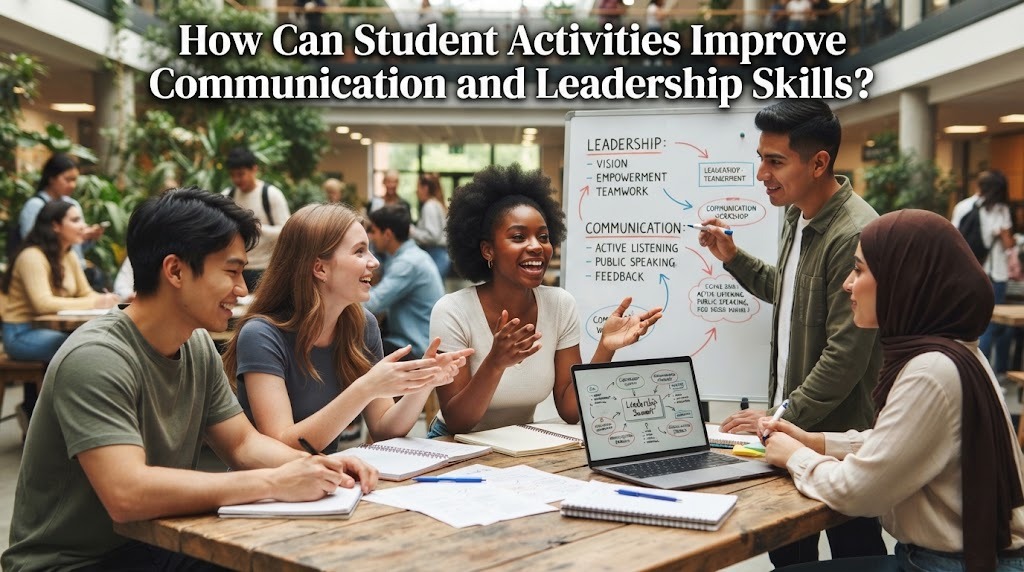
Student activities can provide practical opportunities for students to develop communication skills and leadership skills. Activities such as organizations, group projects, discussions, and campus events require students to interact and cooperate with others. Through regular participation, students can practice expressing ideas, listening, making decisions, and taking responsibility. These experiences can complement lessons learned in the classroom. Active involvement can also help students become more confident when working with different people.
PRACTICING CLEAR COMMUNICATION
Student activities often require participants to exchange information and explain ideas. Students may communicate through meetings, presentations, discussions, or group conversations. Clear Communication helps students deliver messages in a way that other people can understand. They can learn to choose appropriate words and organize information logically. Regular practice can gradually improve their confidence when speaking.
Communication is not only about speaking but also about listening. Students need to understand instructions, suggestions, and feedback from other members. Active Listening can help prevent misunderstandings and improve cooperation. Students can ask questions when information is unclear and respond respectfully to different opinions. These abilities are useful in both academic and professional environments.
BUILDING TEAMWORK THROUGH GROUP ACTIVITIES
Many student activities involve teamwork and shared responsibilities. Students may need to divide tasks, coordinate schedules, and support other members. Teamwork Skills develop when students learn how to cooperate toward a common goal. They can also understand the importance of completing their responsibilities on time. Good teamwork requires trust and communication among members.
Different opinions may arise during group activities. Students can learn to manage disagreements by discussing problems calmly and considering alternative solutions. Collaborative Learning allows students to learn from the experiences and ideas of their peers. Working with different personalities can also improve adaptability. These experiences can prepare students for collaborative tasks in the workplace.
DEVELOPING LEADERSHIP THROUGH RESPONSIBILITY
Leadership can develop when students are given opportunities to take responsibility for tasks. They may coordinate a project, organize an event, or guide a small team. Leadership Practice allows students to experience the challenges of planning and managing activities. They can learn how to delegate tasks while still monitoring progress. Taking responsibility can also strengthen their confidence.
Students can learn that leadership is not simply about giving instructions. A good leader needs to listen, communicate clearly, support team members, and make responsible decisions. Responsible Leadership encourages students to consider the needs of the group. They can also learn from mistakes and use feedback to improve their approach. These lessons can become valuable foundations for future leadership roles.
IMPROVING DECISION-MAKING SKILLS
Student activities can expose students to situations that require decisions. They may need to select a plan, solve a scheduling problem, or respond to unexpected changes. Decision Making skills improve when students compare options and consider possible consequences. They can learn to avoid making decisions based only on emotions or assumptions. Practical experience can make decision-making more structured.
Students can also reflect on the results of their decisions. If a plan does not work as expected, they can identify the cause and consider alternative approaches. Critical Thinking helps students evaluate information before making choices. This process encourages students to become more careful and adaptable. Decision-making skills can benefit both academic projects and future careers.
BUILDING CONFIDENCE AND ADAPTABILITY
Student activities can help students become more comfortable interacting with different people. Speaking in meetings, presenting ideas, and leading projects can gradually increase Student Confidence. Students may become more willing to share their opinions and accept constructive feedback. Confidence can grow through repeated practice and meaningful experiences. However, students should also recognize that effective communication requires preparation.
Activities can also expose students to unexpected situations. Changes in schedules, different team dynamics, or limited resources may require students to adjust their plans. Adaptability Skills help students respond to these changes without losing focus on their objectives. Learning to adapt can make students more prepared for uncertain situations. These skills are valuable for both leadership and professional development.
CONCLUSION
Student activities can improve communication and leadership skills by providing practical opportunities to communicate, cooperate, make decisions, and take responsibility. Clear Communication, Teamwork Skills, and Responsible Leadership can develop through active participation in organizations and group activities. Students can also strengthen critical thinking, confidence, and adaptability through real experiences. These skills are useful for academic projects and future professional responsibilities. Consistent participation and reflection can help students turn everyday activities into meaningful personal development.
About the Author
Gusti Ayu Tita P
Author — STEKOM University
An active author focused on academic issues, educational technology, and human resource development in the campus environment.