
How Can Study Tours Help Students Become More Independent?
Gusti Ayu Tita P
15 September 2026
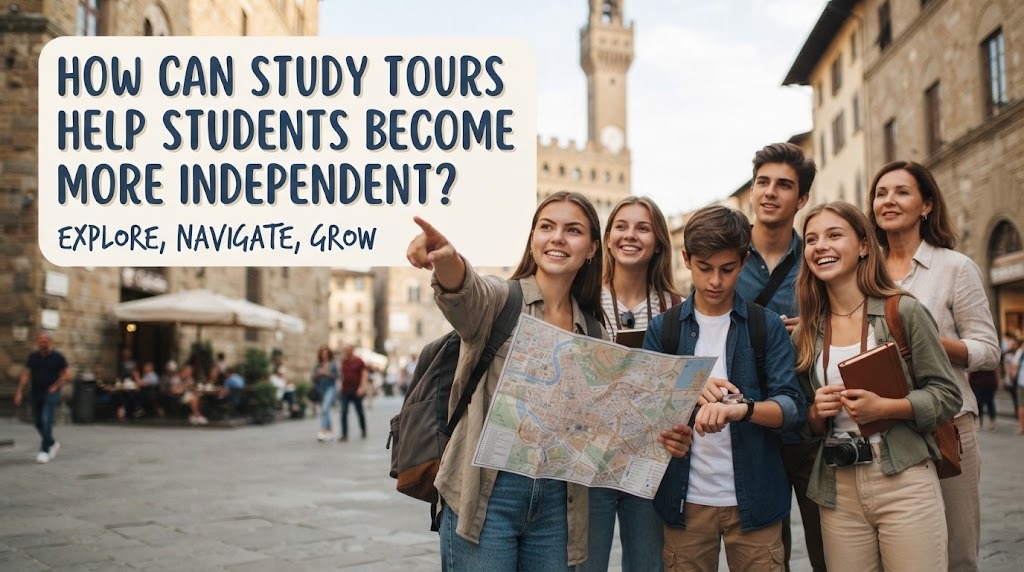
A study tour gives students an opportunity to learn and experience new things outside their usual environment. During the trip, students may need to manage their belongings, follow schedules, communicate with others, and handle simple challenges. These activities can encourage them to take greater responsibility for themselves. As a result, study tours can become a useful way to develop student independence.
TEACHING STUDENTS TO MANAGE PERSONAL NEEDS
During a study tour, students are encouraged to take care of their personal needs without always depending on teachers or parents. They may need to prepare their clothes, organize their bags, bring personal hygiene items, and make sure they have everything they need. These simple tasks teach students to become more prepared.
Students also learn that forgetting important items can create difficulties during a trip. By experiencing these situations, they can understand the importance of preparing their needs in advance. Managing personal needs helps students develop habits that are useful in everyday life.
HELPING STUDENTS MANAGE THEIR TIME
A study tour usually follows a specific schedule, so students need to pay attention to time management. They may have to arrive at meeting points on time, follow activity schedules, and return to their groups at the agreed time. This teaches students that being late can affect other people.
Following a schedule also encourages students to plan their activities carefully. They learn to balance learning activities, rest, meals, and personal time. Learning to manage time can make students more disciplined and responsible.
ENCOURAGING RESPONSIBILITY FOR PERSONAL BELONGINGS
Students are usually responsible for their own bags, phones, money, documents, and other belongings during a study tour. Teachers can supervise them, but students still need to make sure their important items are kept safely. This creates an opportunity to practice personal responsibility.
If students learn to check their belongings regularly, they can reduce the possibility of losing important items. This habit can also be applied at school and at home. Taking care of personal belongings is a simple but important part of becoming independent.
DEVELOPING DECISION MAKING SKILLS
Study tours can give students opportunities to make simple decisions independently. For example, they may need to decide how to organize their belongings, manage their pocket money, or choose the best way to complete an assignment. These decisions may seem small, but they can build confidence over time.
Teachers can provide guidance when necessary without making every decision for students. This allows students to think about the possible results of their choices. Learning to make responsible decisions can prepare students for more complex situations in the future.
TEACHING STUDENTS TO MANAGE MONEY
Managing pocket money during a study tour is another way to develop financial responsibility. Students may need to decide how much money to spend on food, souvenirs, or other personal needs. They can learn to distinguish between things they need and things they simply want.
Students can also learn why spending all their money at the beginning of a trip may cause problems later. With proper guidance, they can create a simple spending plan. Learning basic money management can become a valuable life skill.
HELPING STUDENTS SOLVE PROBLEMS
Unexpected situations can happen during a study tour. Students might lose something, become confused about a meeting point, or face a small change in the schedule. These situations can encourage them to practice problem solving skills.
Teachers should still provide appropriate assistance, especially when safety is involved. However, students can be encouraged to think about possible solutions before asking for help. Solving small problems can increase confidence and teach students to remain calm in unfamiliar situations.
ENCOURAGING STUDENTS TO FOLLOW RULES
Independence does not mean students can do whatever they want. A study tour teaches students that being independent also involves following rules and understanding responsibilities. They need to follow instructions about meeting times, group movement, transportation, and behavior at the destination.
Following rules helps students understand that their actions can affect other people. They learn to control their behavior while still making their own choices. Responsible independence means being able to act freely while respecting agreed rules.
BUILDING CONFIDENCE IN NEW ENVIRONMENTS
A study tour can take students to places they have never visited before. Being in a new environment encourages them to adapt and communicate with people around them. At first, some students may feel nervous, but successful experiences can gradually increase their confidence.
Students may need to ask questions, interact with staff, or find information during the visit. These experiences can make them more comfortable when facing unfamiliar situations. Greater confidence can encourage students to become more willing to try new things independently.
DEVELOPING COMMUNICATION SKILLS
Independence also requires students to know how to communicate their needs clearly. During a study tour, they may need to tell teachers when they have a problem, ask for directions, or communicate with classmates. These situations provide practical opportunities to improve communication.
Students can learn that asking for help when necessary is not a sign of weakness. Instead, knowing when and how to seek assistance is part of responsible behavior. Good communication helps students handle situations more effectively and confidently.
CONCLUSION
Study tours can help students become more independent through everyday responsibilities and real experiences. Managing personal needs, time, belongings, money, and simple decisions can teach students important life skills. They can also develop problem solving, communication, confidence, and the ability to adapt to new environments.
However, students should still receive appropriate guidance from teachers and organizers. The goal is not to leave students completely on their own, but to give them safe opportunities to practice independence. With proper supervision, a study tour can support both learning and personal development.
About the Author
Gusti Ayu Tita P
Author — STEKOM University
An active author focused on academic issues, educational technology, and human resource development in the campus environment.















