
How Can Study Tours Help Students Learn Outside The Classroom?
Gusti Ayu Tita P
15 September 2026
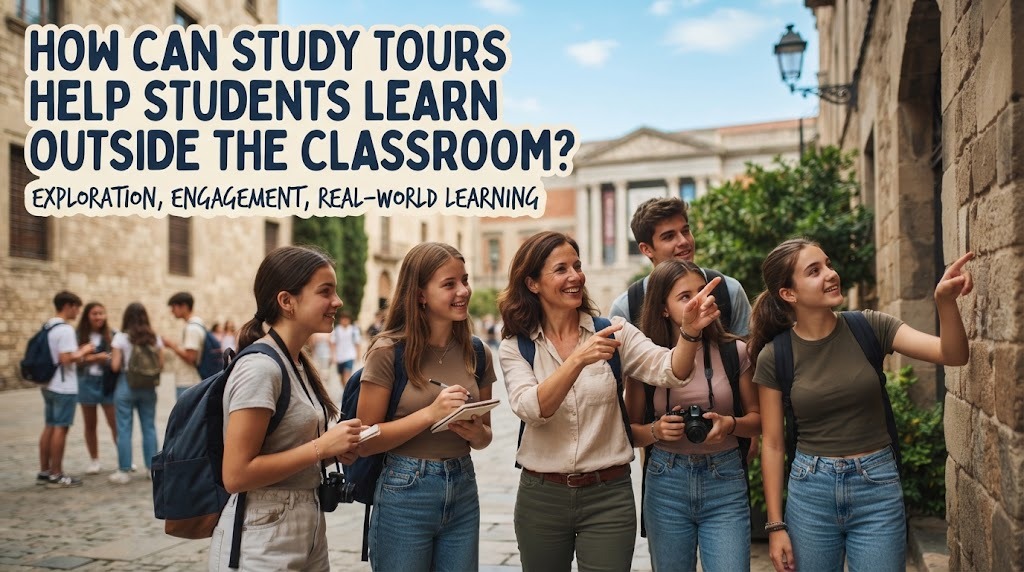
A study tour gives students the opportunity to learn in places outside their usual classroom. Instead of only reading books or listening to explanations, students can see and experience things directly. This activity can make learning more interesting, practical, and meaningful. Study tours can connect school lessons with real-life situations while also helping students develop useful skills.
PROVIDING REAL WORLD LEARNING EXPERIENCES
Study tours allow students to experience real world learning outside the classroom. They can visit museums, companies, historical places, laboratories, or cultural sites related to their lessons. Seeing real objects and activities can help students understand information more clearly. This makes the learning process more connected to everyday life.
Students may also observe how knowledge is applied in the real world. For example, a business student can learn about marketing by visiting a company. Direct experiences can help students remember lessons more easily because they are connected to something they have actually seen.
CONNECTING SCHOOL LESSONS WITH REAL LIFE
One important benefit of a study tour is that it connects classroom knowledge with real situations. Students can see examples of concepts that they previously learned from books or presentations. This helps them understand why certain subjects are important. Learning becomes more meaningful when students can see how knowledge is used outside school.
For example, students learning about history can visit historical sites and observe related objects. Students studying business can visit a company and learn about its daily operations. These experiences can make theoretical lessons easier to understand.
IMPROVING STUDENTS KNOWLEDGE
Study tours can help students expand their knowledge by introducing information that may not be fully available in regular lessons. Students can learn about different industries, cultures, environments, technologies, and communities. They may also discover new facts by asking questions and observing their surroundings.
This type of learning encourages students to become more active in gaining information. Instead of simply receiving information from a teacher, they can explore and find answers themselves. Active learning can strengthen understanding and encourage students to keep learning after the trip.
DEVELOPING OBSERVATION SKILLS
During a study tour, students are encouraged to pay attention to their surroundings. They may need to observe objects, people, processes, buildings, or activities related to their learning goals. This can improve their observation skills and help them notice important details.
Good observation is useful in many areas of education and future work. Students can learn to compare what they see with information they have learned at school. Careful observation can help students understand situations more accurately and develop a stronger interest in learning.
ENCOURAGING CURIOSITY AND QUESTIONS
A new environment can make students more curious about things they have never experienced before. They may see something unfamiliar and want to know how it works or why it exists. This encourages them to ask questions and search for explanations.
Teachers can also prepare activities that encourage students to discuss what they see. Students can write questions before the visit and look for answers during the study tour. Curiosity makes learning more active because students become interested in discovering information on their own.
DEVELOPING SOCIAL AND TEAMWORK SKILLS
Study tours usually involve students traveling and completing activities together. This gives them opportunities to practice communication, teamwork, and cooperation. They may need to work in groups, share responsibilities, follow schedules, and help their classmates.
Students can also learn how to communicate with teachers, tour guides, workers, and other people they meet during the visit. These interactions can improve their confidence in social situations. Teamwork during study tours can prepare students for situations they may face in school, college, and future workplaces.
INTRODUCING CULTURE AND DIFFERENT ENVIRONMENTS
Study tours can introduce students to different cultures, traditions, and environments. Visiting another area can show students that people may have different lifestyles, customs, foods, languages, and traditions. This can help them understand and respect diversity.
Learning about differences directly can be more memorable than simply reading about them. Students can also develop a more open-minded attitude when they interact with people from different backgrounds. Cultural experiences can help students become more respectful and understanding of diversity.
BUILDING INDEPENDENCE AND RESPONSIBILITY
A study tour can teach students to become more independent and responsible. They may need to manage their personal belongings, follow schedules, stay with their groups, and follow instructions. These simple responsibilities can teach students how to take better care of themselves and others.
Students may also face small challenges during the trip, such as finding a meeting point or managing their time. With proper guidance, they can learn how to respond calmly and make responsible decisions. These experiences can strengthen practical life skills that are useful beyond the classroom.
MAKING LEARNING MORE MEMORABLE
Learning outside the classroom can create experiences that students remember for a long time. A lesson connected to a real place, activity, or experience may be easier to recall than information learned only through reading. Memorable learning experiences can increase students interest in education.
Study tours can also create positive memories with classmates and teachers. When students enjoy the learning process, they may become more motivated to participate in future educational activities. Therefore, a study tour can combine education, experience, and meaningful memories in one activity.
CONCLUSION
Study tours help students learn outside the classroom by providing real world experiences and practical learning opportunities. They can connect school lessons with real life, improve observation skills, increase knowledge, and encourage curiosity. Students can also develop teamwork, communication, independence, responsibility, and cultural awareness.
With proper planning and educational activities, a study tour can become more than just a trip. It can be an effective learning experience that supports both academic knowledge and personal development.
About the Author
Gusti Ayu Tita P
Author — STEKOM University
An active author focused on academic issues, educational technology, and human resource development in the campus environment.















