
How Can Study Tours Improve Students Knowledge?
Gusti Ayu Tita P
15 September 2026
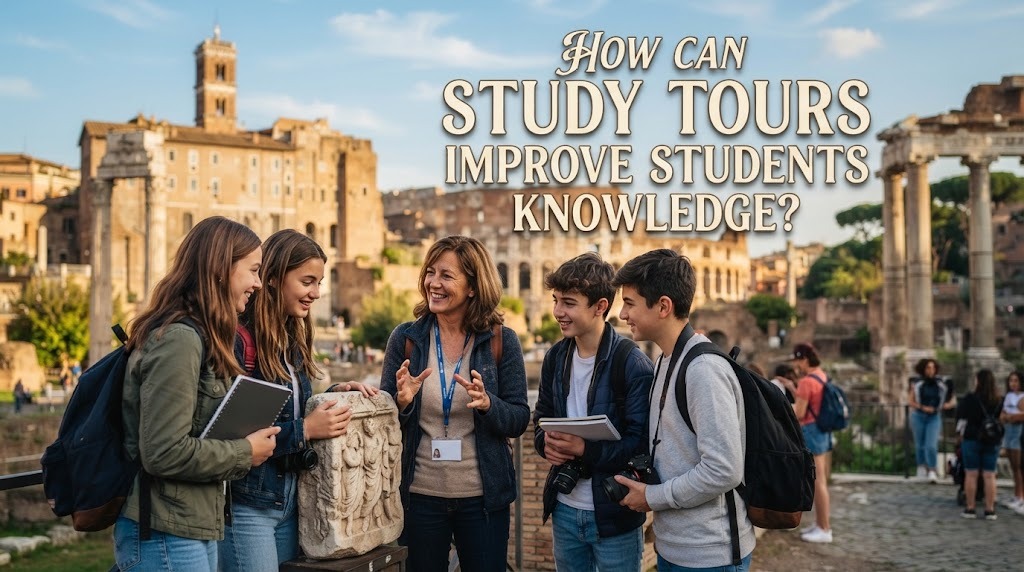
Study tours give students an opportunity to learn outside the classroom through direct experiences. Instead of depending only on textbooks and classroom explanations, students can observe real places, objects, and activities. This approach can make information easier to understand and remember. When properly planned, study tours can improve students’ knowledge while making learning more enjoyable.
PROVIDING DIRECT LEARNING EXPERIENCES
Study tours allow students to see and experience real things related to their lessons. For example, students can visit museums to understand history or companies to learn about business and production processes. Direct observation can make abstract information easier to understand. Students can also ask questions and receive explanations from teachers, guides, or professionals. This creates a stronger connection between classroom lessons and real situations.
EXPANDING GENERAL KNOWLEDGE
Visiting new places can introduce students to information they may not learn in their regular classes. They can discover new facts about culture, history, science, technology, business, or local communities. Each destination can provide different sources of information and experiences. Students may also become interested in topics that they had never considered before. This helps expand their general knowledge and understanding of the world.
CONNECTING THEORY WITH REAL LIFE
One important advantage of study tours is helping students connect theoretical knowledge with real-life situations. A lesson about economics, for example, may become clearer when students observe how a business operates. Similarly, history can become more meaningful when students visit a historical site. These experiences show students how knowledge is applied outside school. As a result, lessons can feel more relevant and easier to understand.
ENCOURAGING CURIOSITY AND QUESTIONS
Study tours expose students to new environments that can encourage curiosity and active questioning. Students may notice objects, processes, or traditions that they do not understand. Instead of simply receiving information, they can ask questions and search for explanations. Teachers can also use these questions to create discussions after the visit. This process encourages students to become more active learners.
IMPROVING OBSERVATION SKILLS
During a study tour, students can be encouraged to observe details and collect useful information. They may need to take notes, identify important objects, or compare different things they see. These activities train students to pay attention and distinguish important information from less relevant details. Observation skills are useful not only for school assignments but also for everyday situations. Regular practice can make students more careful and thoughtful when learning.
DEVELOPING CRITICAL THINKING
Study tours can provide opportunities for students to analyze and compare what they see with what they have learned. They may discover that real situations can be more complex than textbook examples. Students can discuss their observations, identify differences, and explain why certain things happen. These activities encourage them to think beyond memorization. As a result, study tours can support the development of critical thinking skills.
INTRODUCING CULTURAL DIVERSITY
Visiting different places can help students learn about cultures, traditions, and lifestyles. They can observe local customs, traditional arts, food, clothing, and other aspects of community life. This experience helps students understand that different communities may have different ways of living. It can also encourage respect for cultural differences. Learning about diversity gives students a broader perspective of the world.
SUPPORTING SOCIAL LEARNING
Knowledge can also grow through interaction with teachers, classmates, guides, and other people. During a study tour, students can discuss what they see and exchange ideas with others. Group activities can encourage them to explain their opinions and listen to different perspectives. These interactions can help students learn information from sources other than textbooks. Social learning also makes the educational experience more active and engaging.
REINFORCING KNOWLEDGE AFTER THE TRIP
The learning process should not end when the study tour is finished. Teachers can ask students to create reports, presentations, discussions, or reflection activities based on what they experienced. These follow-up activities help students review and organize the information they collected. Students can also identify what they learned and what questions they still have. This makes the knowledge gained during the trip more likely to be remembered and understood.
CONCLUSION
Study tours can improve students’ knowledge by providing direct experiences, wider information, real-life connections, cultural understanding, and opportunities for active learning. They also encourage curiosity, observation, critical thinking, and social interaction. To achieve these benefits, the destination and activities should be connected to clear educational goals. With proper planning and follow-up activities, study tours can become an effective way to make learning more meaningful and memorable.
About the Author
Gusti Ayu Tita P
Author — STEKOM University
An active author focused on academic issues, educational technology, and human resource development in the campus environment.















