How Can the Strawberry Generation Turn Weaknesses Into Strengths?
Gusti Ayu Tita P
26 September 2026
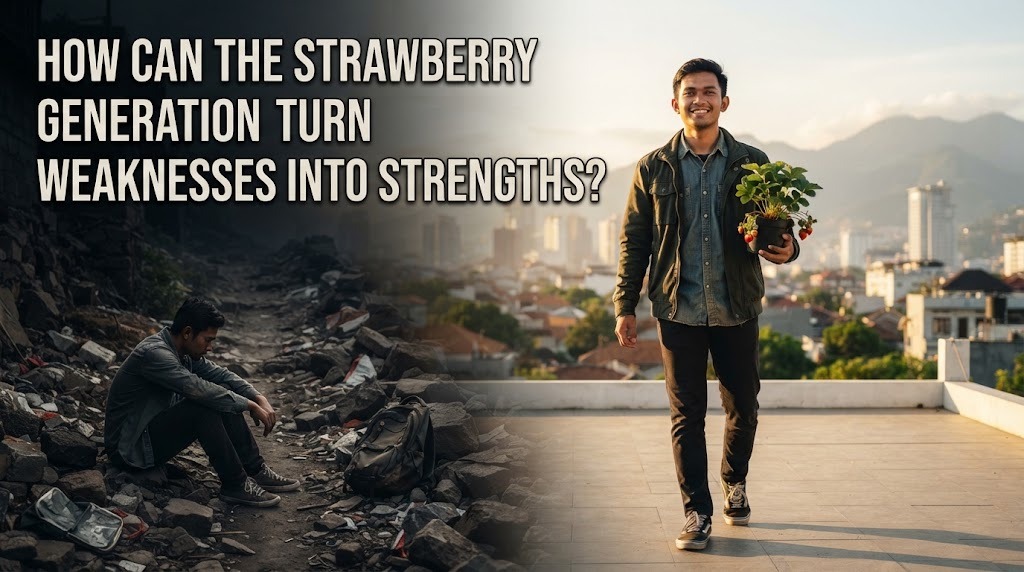
The Strawberry Generation is often associated with sensitivity, pressure, fear of failure, and difficulty dealing with challenging situations. However, these characteristics do not necessarily determine a person's future. Every individual has weaknesses that can be improved through awareness, practice, and experience. The ability to turn weaknesses into strengths can help the Strawberry Generation become more resilient, confident, and prepared for future challenges.
Weaknesses can provide valuable information about areas that need development. Instead of hiding weaknesses or feeling ashamed of them, young people can identify their causes and find practical ways to improve. With the right mindset, difficult experiences can become opportunities to develop stronger skills and character.
RECOGNIZE WEAKNESSES HONESTLY
The first step in turning weaknesses into strengths is recognizing them honestly. Young people may struggle with low confidence, poor time management, sensitivity to criticism, difficulty communicating, or fear of failure. Understanding personal weaknesses allows the Strawberry Generation to identify which areas require attention and improvement.
Self-awareness does not mean constantly criticizing oneself. Instead, it means accepting that everyone has areas that are still developing. By identifying specific weaknesses, young people can create realistic improvement plans rather than feeling overwhelmed by general feelings of inadequacy.
USE FAILURE AS A LEARNING EXPERIENCE
Failure can feel discouraging, especially when young people have high expectations of themselves. A rejected application, poor grade, unsuccessful project, or missed opportunity can sometimes create the belief that they are not capable. However, failure can become useful when it is treated as feedback rather than as a permanent definition of personal ability.
After experiencing failure, young people can ask what happened, which decisions contributed to the result, and what could be changed next time. This reflection can reveal skills that need more practice or strategies that were not effective. Over time, repeated learning from setbacks can transform fear of failure into greater resilience.
DEVELOP SKILLS THROUGH PRACTICE
Many weaknesses are not permanent because skills can improve through consistent practice. Someone who struggles with public speaking, writing, teamwork, or technology can gradually become better by practicing regularly. Consistent effort can turn an area of weakness into a useful ability.
The Strawberry Generation can develop skills through courses, organizations, internships, volunteer activities, projects, and other practical experiences. Progress may be slow at first, but repeated practice can increase competence and confidence. The important part is to focus on improvement rather than expecting immediate perfection.
TURN SENSITIVITY INTO EMPATHY
Being sensitive is sometimes viewed negatively because sensitive individuals may react strongly to criticism or difficult situations. However, sensitivity can also help people notice emotions, understand other people's experiences, and respond with greater empathy. When managed properly, emotional sensitivity can become a strength in communication and relationships.
For example, a young person who is highly aware of other people's feelings may become a supportive teammate, thoughtful leader, or effective communicator. The key is learning to balance empathy with emotional boundaries. This allows sensitivity to contribute positively without making every negative experience personally overwhelming.
BUILD CONFIDENCE THROUGH SMALL ACHIEVEMENTS
Low confidence can make weaknesses appear larger than they actually are. When young people constantly focus on what they cannot do, they may overlook evidence of their progress. Small achievements can provide practical evidence that improvement is possible.
The Strawberry Generation can start with realistic goals, such as completing a difficult assignment, speaking during a discussion, learning a new digital skill, or taking responsibility for a small project. Each completed goal can strengthen confidence and encourage the person to take on more challenging tasks. Gradual progress can therefore turn insecurity into a stronger belief in personal abilities.
SEEK FEEDBACK AND SUPPORT
It can be difficult to recognize personal weaknesses accurately without input from other people. Constructive feedback from teachers, mentors, colleagues, friends, or family members can provide another perspective. Useful feedback can help young people understand which behaviors or skills need improvement and how they can develop them.
Seeking support does not mean becoming dependent on others. Instead, it means using available guidance as part of the learning process. The Strawberry Generation can listen to feedback, evaluate whether it is useful, and then take responsibility for applying appropriate changes.
DEVELOP A GROWTH MINDSET
A growth mindset encourages people to believe that abilities can develop through learning, effort, and experience. Young people who think their weaknesses can never change may avoid difficult situations. Believing that improvement is possible can encourage the Strawberry Generation to keep trying even when progress is slow.
A growth mindset also changes the way challenges are viewed. Instead of asking whether they are naturally talented, young people can ask what they can learn and which skills they can develop. This approach can make challenges more manageable and encourage continuous personal development.
CONCLUSION
The Strawberry Generation can turn weaknesses into strengths by recognizing personal limitations, learning from failure, practicing useful skills, managing sensitivity, building confidence through small achievements, accepting feedback, and developing a growth mindset. These steps can help young people understand that weaknesses do not have to permanently limit their potential.
Turning weaknesses into strengths requires patience and consistent effort. Personal growth is a gradual process that develops through experience, reflection, and willingness to improve. By focusing on progress rather than perfection, the Strawberry Generation can use its challenges as opportunities to become more resilient, capable, and independent.
About the Author
Gusti Ayu Tita P
Author — STEKOM University
An active author focused on academic issues, educational technology, and human resource development in the campus environment.