
How Can Workers Maintain PPE to Keep It Safe to Use?
Gusti Ayu Tita P
29 September 2026
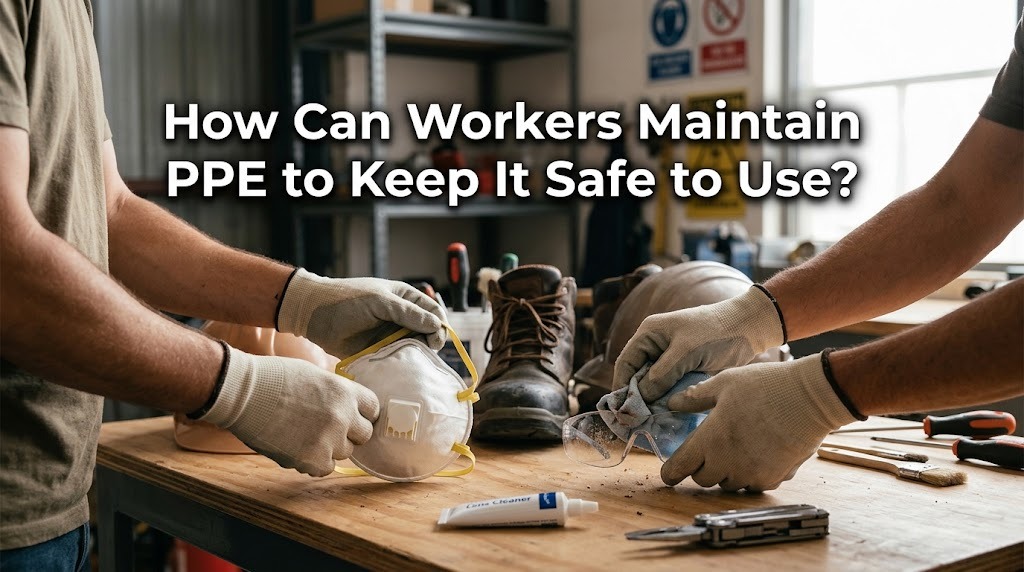
Personal Protective Equipment (PPE) plays an important role in protecting workers from hazards in the workplace. However, PPE can only provide proper protection when it is in good condition and used correctly. Regular maintenance helps identify damage, contamination, or other problems before the equipment is needed. Workers should understand how to inspect, clean, store, and care for their PPE. Proper maintenance can help ensure that protective equipment remains suitable for its intended purpose.
WHY PPE MAINTENANCE IS IMPORTANT
Regular PPE maintenance helps keep protective equipment in a condition where it can perform its intended function. PPE can become damaged or contaminated through repeated use, exposure to chemicals, heat, dust, moisture, or rough handling. Even damage that appears minor may affect the equipment’s protective performance. For this reason, workers should not assume that PPE is safe simply because it looks usable at first glance.
Maintenance also helps workers identify equipment that needs repair, cleaning, or replacement. Different types of PPE have different maintenance requirements, so workers should follow the manufacturer’s instructions and workplace procedures. Equipment should not be modified in ways that could reduce its protective function. Consistent maintenance is therefore an important part of a broader workplace safety program.
INSPECT PPE BEFORE AND AFTER USE
Workers should inspect PPE regularly and, where appropriate, check it before each use. The inspection should look for cracks, tears, broken parts, excessive wear, contamination, or other signs of damage. For example, safety helmets may need to be checked for damage, while gloves should be examined for holes or deterioration. Eye protection should also be checked for damaged lenses or components that could interfere with proper protection.
The exact inspection process depends on the type of PPE and the hazards involved. If equipment is damaged or no longer provides the required protection, workers should stop using it and follow workplace procedures for replacement or repair. Damaged PPE should not simply be returned to service without proper evaluation. Regular inspection can help prevent defective equipment from being used during hazardous tasks.
CLEAN PPE CORRECTLY
Cleaning PPE is important because dirt, chemicals, dust, sweat, and other contaminants can accumulate during use. Workers should clean equipment according to the manufacturer’s instructions because unsuitable cleaning methods may damage certain materials. Some PPE may require specific cleaning products or procedures. Equipment should also be completely dry before being stored or reused when the instructions require this.
PPE used by multiple workers may require additional cleaning and hygiene procedures between users. Respiratory equipment, protective clothing, and other reusable equipment may have specific cleaning requirements. Workers should never use cleaning methods that could weaken, deform, or contaminate the equipment. Proper cleaning helps maintain both hygiene and the intended function of reusable PPE.
STORE PPE PROPERLY
Proper PPE storage helps protect equipment from unnecessary damage when it is not being used. PPE should generally be stored in a clean and suitable location that protects it from conditions that could cause deterioration. Depending on the equipment, excessive heat, sunlight, moisture, chemicals, or sharp objects may affect its condition. Workers should avoid placing protective equipment where it can be crushed, contaminated, or damaged.
Storage areas should also make PPE easy to access when needed. Equipment should be organized so workers can quickly identify the correct item for their tasks. PPE should not be stored together with substances or materials that could contaminate it. Following the manufacturer’s storage recommendations can help extend the useful condition of the equipment.
KNOW WHEN PPE NEEDS REPLACEMENT
PPE should be replaced when it is damaged, worn out, contaminated beyond safe cleaning, or otherwise no longer suitable for its intended purpose. Workers should follow workplace procedures and manufacturer guidance when determining whether equipment needs replacement. Some PPE may also have service-life limitations or specific inspection requirements. A replacement decision should not be based only on appearance.
Workers should report damaged or unsuitable equipment to the responsible person at the workplace. PPE should never be used simply because a replacement is inconvenient or unavailable. Employers should provide appropriate protective equipment and ensure that workers know how to report problems. Maintaining an adequate supply of suitable PPE supports consistent compliance with workplace safety requirements.
CONCLUSION
Proper PPE maintenance helps ensure that protective equipment remains suitable for its intended use. Workers should regularly inspect, clean, store, and care for PPE according to manufacturer instructions and workplace procedures. Damaged, contaminated, or unsuitable equipment should be removed from use and replaced or handled according to established procedures. Good maintenance practices can reduce the chance of relying on defective protective equipment during hazardous work. By treating PPE maintenance as a regular safety responsibility, workers can help maintain a safer workplace.
About the Author
Gusti Ayu Tita P
Author — STEKOM University
An active author focused on academic issues, educational technology, and human resource development in the campus environment.



