
How Can You Avoid Common Mistakes When Applying for a Passport?
Gusti Ayu Tita P
24 Agustus 2026
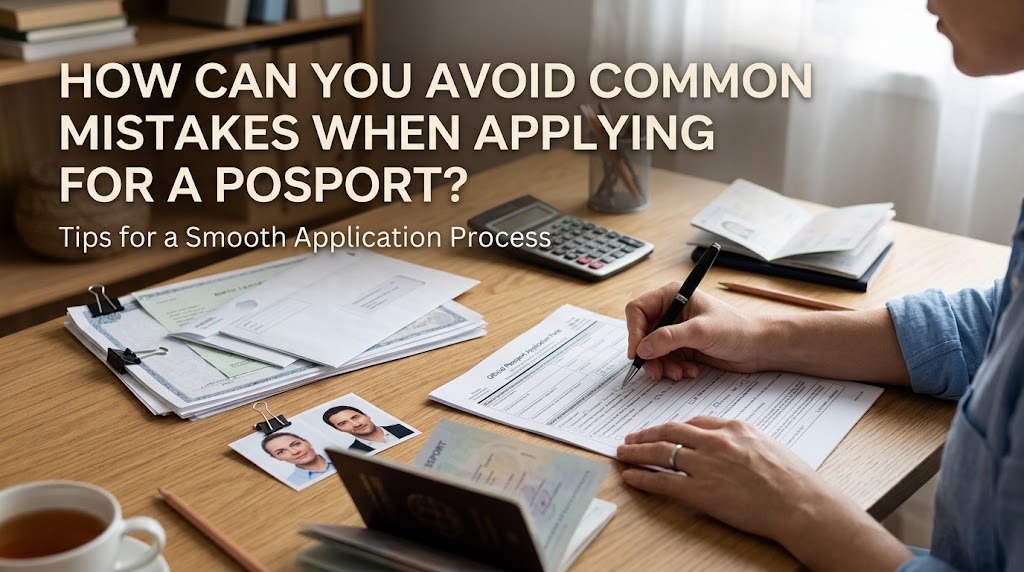
Applying for a passport is an important step before making international travel plans. Although the process may seem straightforward, small mistakes in the application can cause delays, additional requirements, or even rejection. Applicants need to provide accurate personal information, suitable documents, and photographs that meet the required standards. Requirements can also vary depending on the country and the type of passport being requested. Understanding the most common passport application mistakes can help travelers complete the process more smoothly and confidently.
CHECK YOUR PERSONAL INFORMATION CAREFULLY
One of the most common passport application mistakes is entering incorrect personal information. Applicants should carefully check their full name, date of birth, place of birth, nationality, and other details before submitting the form. The information should match the supporting documents, such as a birth certificate or national identity document. Even a small spelling difference can create problems during document verification. Taking a few minutes to review every field can prevent unnecessary corrections later.
Applicants should also check whether their previous passport information needs to be included. If the application involves a renewal or replacement, details from the old passport may be required. Never guess information when completing an official application form. If something is unclear, applicants should consult the relevant passport authority before submitting the application. Careful checking is one of the simplest ways to reduce processing problems.
PREPARE THE REQUIRED DOCUMENTS
Incomplete documentation is another frequent reason for delays in passport applications. Before applying, applicants should identify the current document requirements issued by their passport authority. Common documents may include proof of identity, proof of citizenship, a completed application form, photographs, and supporting documents for special circumstances. Additional documents may be requested for children, first time applicants, or people replacing a lost passport. Requirements differ between countries, so applicants should always rely on official government information.
It is also important to make sure that documents are valid, readable, and consistent with the information on the application. Applicants should prepare copies when the authority requires them and keep the original documents available for verification. Documents in another language may require an approved translation depending on local rules. Missing one required document can result in another appointment or a longer processing period. Preparing everything before the appointment can make the application much more efficient.
FOLLOW PASSPORT PHOTO REQUIREMENTS
Passport photographs must meet specific standards because they are used for official identification and biometric verification. Common requirements can cover the photo size, background, facial expression, lighting, head position, and visibility of the face. Applicants should avoid submitting casual photographs that do not follow the official specifications. Accessories such as sunglasses or hats may not be permitted unless they are allowed for specific reasons under the applicable rules. A photograph that fails the requirements may cause the application to be delayed or rejected.
Applicants should obtain their photograph from a service that understands the official passport photo standards for the country where they are applying. Digital applications may also have specific requirements for image dimensions, file size, and image quality. Do not assume that a photograph accepted for another official document will automatically be accepted for a passport. Checking the latest photo instructions before taking the picture can save time and money. When in doubt, applicants should follow the specifications published by the passport authority rather than relying on unofficial examples.
CHECK THE APPLICATION DETAILS BEFORE SUBMISSION
Before submitting a passport application, applicants should perform a final review of every section. They should confirm that all mandatory fields have been completed and that the information is consistent with their supporting documents. Applicants should also check signatures, dates, contact details, and appointment information where applicable. If the application is submitted online, reviewing the information before making the final submission is especially important because some systems may restrict changes afterward. A careful final review can prevent avoidable administrative errors.
Applicants should also verify the application fee and payment instructions before completing the process. Fees and accepted payment methods can change, so applicants should use current information from the relevant government authority. They should keep payment confirmations, appointment details, and application references when provided. These records may be useful if the applicant needs to check the application status later. Completing each step according to the official instructions is safer than relying on outdated advice from social media or third party websites.
AVOID MISTAKES WITH LOST DAMAGED OR EXPIRED PASSPORTS
Applicants replacing a lost or damaged passport may need to follow a different process from a standard application. Losing a passport should be reported according to the rules of the issuing authority, particularly when the document may have been stolen. Applicants may be asked to provide additional identification, explain the circumstances, or submit a police report depending on local requirements. A damaged passport may also need to be surrendered or examined before a replacement is issued. Travelers should never continue using a passport that the issuing authority has declared invalid.
Passport validity is equally important when preparing for international travel. Some countries require a passport to remain valid for a certain period beyond the planned arrival or departure date. Travelers should therefore check passport validity requirements and visa or entry rules for their destination before booking a trip. An airline or border authority may refuse travel if the required documents are not valid. Checking these conditions well in advance gives travelers enough time to renew or replace their passport if necessary.
FINAL CHECKS FOR A SMOOTHER PASSPORT APPLICATION
Avoiding passport application mistakes mainly requires careful preparation and attention to detail. Applicants should verify their personal information, prepare the correct supporting documents, follow passport photo standards, and review the entire application before submission. They should also confirm current fees, appointment requirements, processing procedures, and passport validity rules through official sources. Starting the process early is helpful because additional verification or document corrections may take extra time. Most importantly, applicants should follow the instructions provided by their country's official passport authority because procedures can differ between countries.
A passport is an essential travel document, so accuracy should always be prioritized over speed. Do not submit an application until all required information and documents have been checked carefully. Keeping copies of important records and application confirmations can also make future follow-up easier. With proper preparation, travelers can reduce common errors and make the passport application process more straightforward. Careful planning also provides greater confidence when preparing for international travel.
CONCLUSION
Avoiding passport application mistakes requires careful preparation and accurate information. Check your documents, personal details, photo requirements, and passport validity before submission. Following official requirements can help prevent delays and make international travel preparations smoother.
About the Author
Gusti Ayu Tita P
Author — STEKOM University
An active author focused on academic issues, educational technology, and human resource development in the campus environment.















