
How Can You Become A Tourist Who Cares About The Ocean?
Gusti Ayu Tita P
23 September 2026
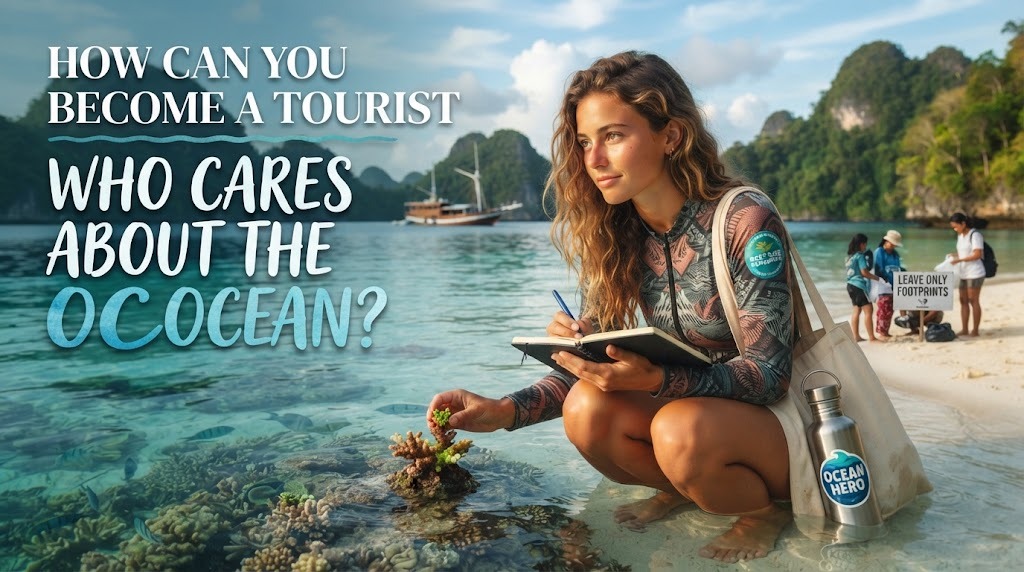
The ocean is an important part of the environment and supports many forms of marine life. When visiting beaches, islands, and other coastal destinations, tourists should understand how their actions can affect the surrounding environment. Becoming an ocean friendly tourist does not require complicated actions. Simple habits can help reduce pollution, protect marine ecosystems, and keep coastal destinations beautiful.
REDUCE SINGLE USE PLASTIC
One of the easiest ways to care for the ocean is to reduce the use of single use plastic during travel. Bring a reusable water bottle, shopping bag, and food container when possible. Avoid unnecessary plastic straws, cups, and packaging when alternatives are available. These small changes can help reduce the amount of waste that may eventually reach rivers and oceans.
Tourists should also dispose of waste properly when plastic products are unavoidable. Never leave bottles, wrappers, or other rubbish on beaches or in the water. If there are no suitable trash bins nearby, keep the waste with you until it can be disposed of correctly. Reducing plastic waste is a simple but meaningful way to protect marine environments.
KEEP BEACHES CLEAN
Clean beaches are important for both people and marine ecosystems. Tourists should always take their rubbish with them or place it in the appropriate waste containers. Food packaging, fishing lines, and other waste can harm marine animals if they enter the ocean. Leaving a destination cleaner than you found it is a responsible travel habit.
Tourists can also participate in organized beach cleanups when available. These activities can help remove existing waste while encouraging greater environmental awareness. However, visitors should avoid handling dangerous or unknown materials without proper guidance. Responsible waste management helps keep coastal areas safer and healthier.
PROTECT MARINE LIFE
Marine animals should be observed without being disturbed. Avoid touching, chasing, feeding, or trying to catch marine wildlife during tourism activities. Even actions that seem harmless can cause stress or change the natural behavior of animals. Travelers should maintain a safe distance and follow instructions from responsible guides.
Coral reefs also require special care because they are fragile ecosystems. Never stand on, break, or collect coral as a souvenir. When snorkeling or diving, control your movements and avoid making unnecessary contact with the reef. Respecting marine life allows animals and habitats to remain healthy.
CHOOSE RESPONSIBLE TOUR OPERATORS
The tourism providers you choose can influence the environmental impact of your trip. Look for responsible tour operators that provide clear safety and environmental guidelines. Operators should encourage guests to respect wildlife, avoid damaging habitats, and manage waste properly. When possible, choose businesses that demonstrate genuine efforts to protect local marine environments.
Travelers can ask questions about how an operator manages its activities before booking. For example, they can ask about wildlife interaction rules, waste management, group sizes, and conservation practices. This can help tourists make more informed choices without sacrificing the enjoyment of their trip. Responsible tourism businesses can contribute to healthier coastal destinations.
SAVE WATER AND ENERGY
Water and energy should be used responsibly while traveling. Avoid wasting fresh water by taking unnecessarily long showers or leaving taps running. This is particularly important on small or remote islands where freshwater resources may be limited. Simple conservation habits can reduce pressure on local resources.
Tourists can also save energy by turning off lights, air conditioning, and electronic devices when they are not needed. Staying at accommodations that use resources efficiently can further support sustainable tourism. These actions may seem small, but they can become meaningful when practiced by many visitors. Using resources wisely is part of being an environmentally responsible tourist.
SUPPORT LOCAL CONSERVATION
Tourists can contribute to ocean protection by supporting local conservation programs and community initiatives. Some destinations offer educational activities, restoration projects, or environmental programs that visitors can join. Travelers can also support local organizations or businesses that contribute to marine conservation when appropriate. Before participating, make sure the program is transparent and follows responsible environmental practices.
Learning about local environmental challenges can also make a trip more meaningful. Tourists may discover how coral reefs, mangroves, beaches, and marine animals are protected in the destination. Sharing accurate information with friends and family can encourage others to adopt responsible habits. Environmental awareness can continue even after the vacation ends.
FOLLOW LOCAL ENVIRONMENTAL RULES
Every coastal destination may have different environmental regulations. Tourists should learn and follow local rules for beaches, marine parks, wildlife areas, and protected ecosystems. Some locations may restrict fishing, boating, collecting natural objects, or entering certain areas. These rules are designed to protect natural resources and visitor safety.
Do not assume that an activity is acceptable simply because other tourists are doing it. When unsure, ask local authorities, guides, or tourism staff for accurate information. Following regulations shows respect for both the destination and its community. Responsible travelers follow the rules even when nobody is directly watching them.
CONCLUSION
Becoming a tourist who cares about the ocean starts with simple and consistent actions. Travelers can reduce plastic, keep beaches clean, protect marine life, choose responsible operators, save resources, and support conservation. Following local environmental rules is also an important part of responsible tourism. These habits can help reduce the negative impact of tourism on coastal environments. By traveling responsibly, tourists can enjoy the ocean while helping protect it for future generations.
About the Author
Gusti Ayu Tita P
Author — STEKOM University
An active author focused on academic issues, educational technology, and human resource development in the campus environment.



