How Can You Build an Active and Strong Hobby Community?
Gusti Ayu Tita P
28 September 2026
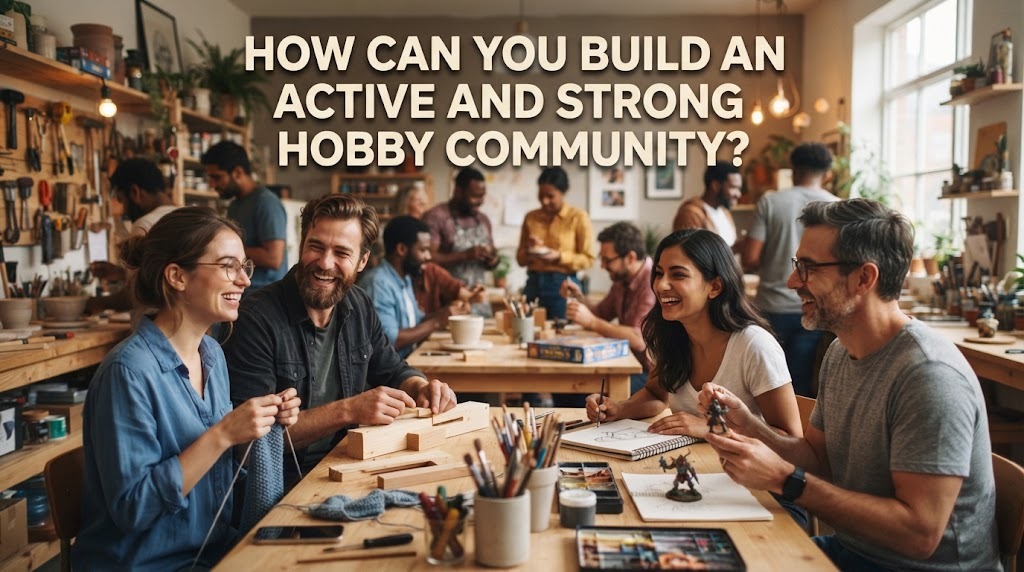
A strong hobby community can bring people together through shared interests, regular activities, and meaningful social connections. Whether the community focuses on sports, photography, music, gaming, reading, cooking, or creative activities, its success depends on active participation and good communication. A community should not only provide a place to enjoy a hobby but also create an environment where members feel comfortable, respected, and motivated to participate. With the right approach, a small group can gradually develop into an active and supportive community.
DEFINE THE PURPOSE OF THE COMMUNITY
The first step in building a strong hobby community is defining its purpose clearly. Members should understand what the community is about, what activities it offers, and what they can expect from joining. A clear purpose helps attract people who have genuine interest in the same hobby. It also gives the community direction when planning activities and making decisions.
The purpose does not have to be complicated. For example, a photography community may focus on sharing techniques, organizing photo walks, and discussing photography equipment. A reading community may focus on book discussions, recommendations, and reading challenges. Having clear goals makes it easier for members to understand how they can contribute.
CREATE A WELCOMING ENVIRONMENT
A welcoming environment is essential for encouraging people to participate regularly. New members should feel comfortable introducing themselves, asking questions, and joining activities without worrying about being judged. Experienced members can help by starting conversations and including newcomers in group discussions. Simple acts of friendliness can make the community feel more open and supportive.
The community should also respect different skill levels and backgrounds. Not everyone joins with the same experience, knowledge, or confidence. A beginner should be able to learn from experienced members without feeling embarrassed about making mistakes. When members feel accepted, they are more likely to remain active and develop stronger relationships within the group.
ORGANIZE REGULAR ACTIVITIES
Regular activities give members a reason to stay connected with the community. These activities can include workshops, practice sessions, group discussions, competitions, exhibitions, meetups, or informal gatherings. The type of activity should match the hobby and the interests of the members. A consistent schedule can also help members plan their time and participate more easily.
Activities do not always need to be large or expensive. Small events can be just as useful when they encourage interaction and participation. For example, a writing community could organize a weekly writing challenge, while a fitness community could hold regular group exercises. The most important factor is creating opportunities for members to participate and communicate.
ENCOURAGE ACTIVE PARTICIPATION
An active community needs members who are willing to contribute rather than simply observe. Community organizers can encourage participation by asking questions, inviting members to share ideas, and giving everyone opportunities to take part in activities. Members can also be encouraged to share their work, experiences, recommendations, or useful resources. This creates a sense that the community belongs to everyone rather than only its organizers.
However, participation should not feel like an obligation. People have different schedules, responsibilities, and levels of interest. Giving members different ways to contribute allows them to participate according to their abilities and availability. A flexible approach can help prevent members from feeling pressured or losing interest.
BUILD GOOD COMMUNICATION
Good communication helps prevent misunderstandings and keeps members informed about community activities. Organizers should provide clear information about schedules, rules, events, and changes. Online communication platforms can be useful for announcements and discussions, while face-to-face communication can strengthen personal relationships. Choosing communication channels that members regularly use can make information easier to access.
Members should also be encouraged to communicate respectfully. Disagreements can happen in any group, especially when people have different opinions or preferences. Problems should be discussed calmly instead of turning into personal conflicts. Clear communication and mutual respect can help maintain a positive atmosphere.
GIVE MEMBERS A ROLE
Giving members responsibilities can increase their sense of ownership and involvement. Members can help organize events, manage social media, welcome new participants, prepare activities, or share their knowledge. These responsibilities do not need to be permanent and can be assigned according to individual interests and abilities. Sharing responsibilities also prevents all tasks from falling on one or two organizers.
Member involvement can make the community more sustainable. When several people contribute, the community can continue operating even when one organizer becomes unavailable. Members may also discover new skills through their responsibilities, such as leadership, organization, communication, and teamwork. This creates benefits for both the individual and the community.
USE SOCIAL MEDIA EFFECTIVELY
Social media can help hobby communities attract new members and maintain communication between activities. Communities can share event information, member achievements, useful tips, photos, videos, and other relevant content. Consistent and useful content can make the community easier for potential members to discover. Social media can also keep existing members connected when they cannot attend physical activities.
However, social media should support the community rather than become its only focus. Content should remain relevant to the hobby and encourage genuine interaction. Organizers should also protect members' privacy and avoid sharing personal information without permission. Responsible social media management can strengthen the community's public image while maintaining member trust.
RECOGNIZE MEMBER CONTRIBUTIONS
Recognizing members can make people feel that their contributions are appreciated. Recognition can take simple forms, such as thanking someone for organizing an event, highlighting useful work, or celebrating a member's achievement. It does not always need to involve prizes or financial rewards. Genuine appreciation can encourage members to continue contributing.
Recognition should also be fair and inclusive. Organizers should avoid creating a situation where only a small group of members receives attention. Different contributions should be appreciated, including behind-the-scenes work that may not always be visible. A culture of appreciation can make members feel more connected to the community.
HANDLE CONFLICTS FAIRLY
Conflicts can occur when members have different opinions, expectations, or communication styles. Ignoring problems can allow small disagreements to become larger issues. Community organizers should listen to the people involved and try to understand the situation before taking action. Community rules can provide a clear basis for handling serious problems.
Fair conflict management does not mean avoiding every disagreement. Instead, it means creating a process that encourages respectful discussion and protects members from harmful behavior. Issues such as harassment, bullying, or repeated disrespect should be addressed seriously. A community that handles problems responsibly can maintain trust among its members.
CONCLUSION
Building an active and strong hobby community requires more than gathering people with the same interest. A successful community needs a clear purpose, welcoming environment, regular activities, good communication, and opportunities for members to contribute. Organizers can also use social media, recognize member contributions, and handle conflicts fairly to maintain a healthy community. When members feel respected, included, and involved, they are more likely to participate consistently and help the community grow.
About the Author
Gusti Ayu Tita P
Author — STEKOM University
An active author focused on academic issues, educational technology, and human resource development in the campus environment.