How Can You Build Professional Relationships While Still in College?
Gusti Ayu Tita P
26 September 2026
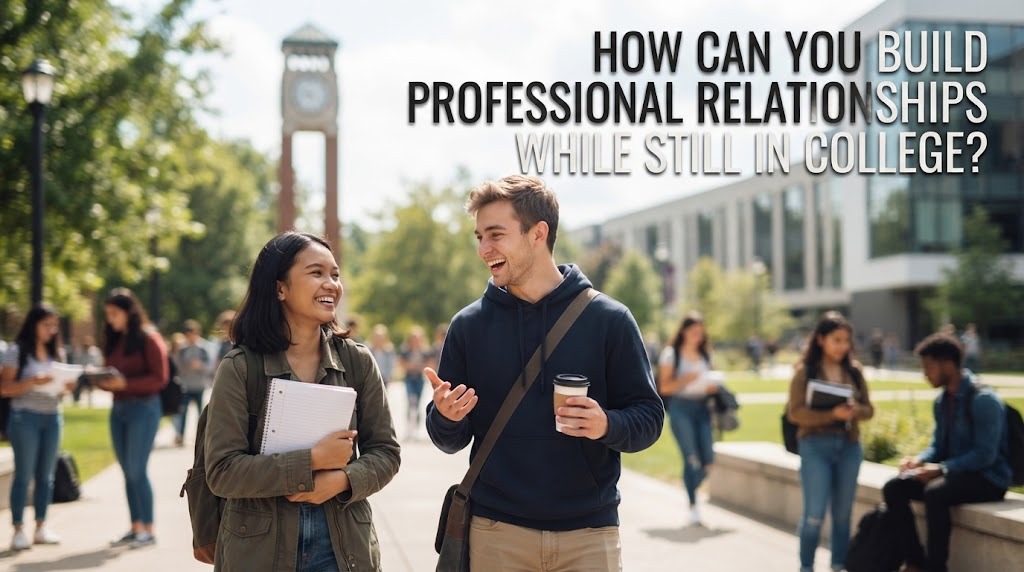
College is an important period for developing knowledge, skills, and professional relationships. Students do not have to wait until graduation to start building connections with people in their desired industries. Relationships developed during college can provide useful information about careers, internships, skills, and workplace expectations. However, effective networking is not simply about collecting as many contacts as possible. It is about creating genuine relationships based on respect, communication, and shared interests.
START WITH YOUR COLLEGE COMMUNITY
The college environment provides many opportunities to meet people with different interests and experiences. Students can build relationships with lecturers, classmates, alumni, organization members, and guest speakers. These people may have knowledge about industries, career paths, or professional opportunities. Regular communication can gradually create relationships that are useful beyond academic activities.
Participating actively in class discussions can also help students become more comfortable communicating with others. Joining student organizations, committees, or academic projects can create opportunities to work with people who have different abilities. These activities can develop both teamwork and communication skills. Over time, students can build a professional network naturally through their everyday college experiences.
JOIN ORGANIZATIONS AND PROFESSIONAL ACTIVITIES
Student organizations can provide valuable opportunities to practice professional communication. Students may take responsibility for events, manage projects, create publications, or coordinate activities with other people. These experiences can demonstrate leadership, teamwork, problem-solving, and responsibility. They can also provide examples that students may later include in their resumes.
Professional activities outside campus can expand these opportunities further. Students can attend seminars, workshops, career fairs, competitions, conferences, and industry events. Speaking with professionals at these events can provide information about real workplace conditions and industry requirements. Even a short conversation can become the beginning of a meaningful professional relationship when communication is respectful and genuine.
BUILD A PROFESSIONAL ONLINE PRESENCE
A professional online presence can help students become easier to discover by people in their field. Platforms such as LinkedIn allow students to present their education, skills, projects, certifications, and career interests. A complete profile can communicate a person's professional direction even before they have extensive work experience. Students should make sure that the information on their profiles is accurate and presented clearly.
Online networking should focus on meaningful interaction rather than simply adding large numbers of connections. Students can follow relevant professionals, participate in industry discussions, and share useful academic or project-related content. When contacting someone, a short and polite introduction is usually more appropriate than immediately asking for a job. Professional communication can help create a positive impression and encourage future interaction.
DEVELOP RELATIONSHIPS THROUGH PROJECTS AND INTERNSHIPS
Academic and practical projects can create opportunities to work with people outside a student's usual social circle. Group projects can teach students how to communicate, divide responsibilities, solve disagreements, and complete tasks together. These experiences can strengthen collaboration skills that employers often value. Students can also maintain contact with teammates who later enter different industries.
Internships provide another opportunity to build professional relationships in a real workplace. During an internship, students can learn from supervisors, colleagues, and other professionals. Showing punctuality, responsibility, willingness to learn, and professional communication can help create a positive working relationship. Students should focus on learning and contributing rather than treating an internship only as a way to collect contacts.
MAINTAIN PROFESSIONAL RELATIONSHIPS OVER TIME
Building a professional relationship is only the beginning. Students should learn how to maintain useful connections through occasional and appropriate communication. They can congratulate contacts on professional achievements, share relevant information, or stay connected through professional platforms. Consistent but respectful communication can help relationships remain active without becoming intrusive.
Students should also understand that professional relationships are based on mutual value. They should not contact someone only when they need a referral or job opportunity. Offering support, sharing useful resources, and showing genuine interest can make networking more natural. Over time, these relationships can contribute to career development, professional learning, and future opportunities.
CONCLUSION
Building professional relationships can begin long before graduation. Students can develop their network through college communities, organizations, professional events, online platforms, projects, and internships. The most effective relationships are built through genuine communication, respect, and consistent interaction. Students should focus on developing useful skills while also learning how to communicate professionally with others. Starting early can help create a strong foundation for future career development.
About the Author
Gusti Ayu Tita P
Author — STEKOM University
An active author focused on academic issues, educational technology, and human resource development in the campus environment.