
How Can You Choose Safe Accommodation for an International Trip?
Gusti Ayu Tita P
17 September 2026
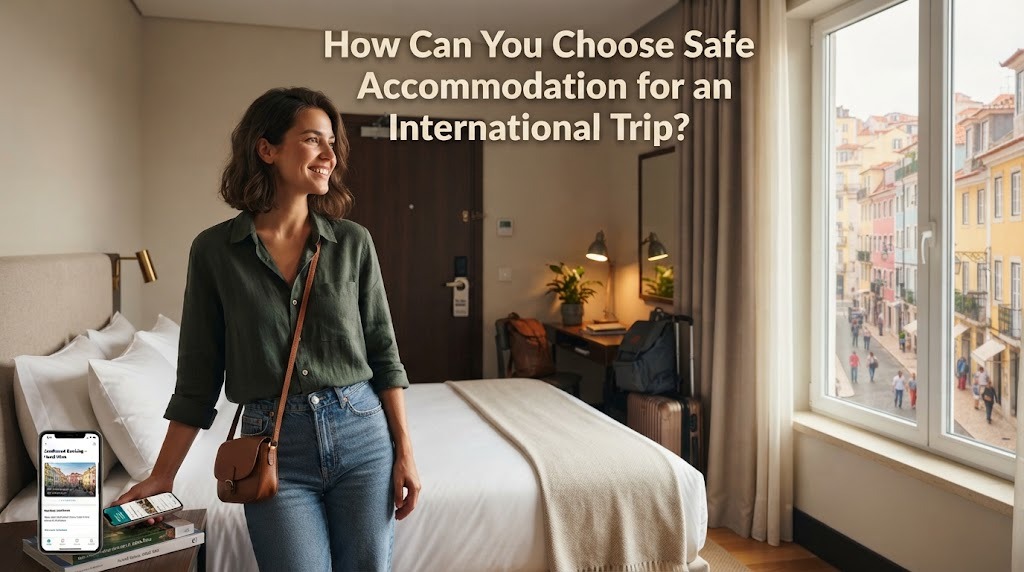
Choosing safe accommodation is an important part of planning an international trip. A comfortable place to stay can make the journey more enjoyable and reduce unnecessary concerns. However, travelers should not choose accommodation based only on price or attractive photos. Location, reviews, security facilities, and booking policies also need to be considered. Careful research before departure can help travelers find accommodation that matches their needs and provides a safer place to stay.
CHOOSE A SAFE AND CONVENIENT LOCATION
Location is one of the first things to consider when choosing accommodation abroad. Look for a place in an area with reasonable access to public transportation, restaurants, shops, and important facilities. Travelers should also research the general safety conditions of the neighborhood, especially if they may return late at night. A convenient location can reduce the need to travel long distances in unfamiliar areas.
It is also useful to check the surroundings on a reliable map service before booking. Look at nearby streets, transportation stops, and the distance to major destinations on your itinerary. Avoid choosing a property solely because it is cheap if reaching it requires traveling through isolated areas. The right location should balance safety, convenience, and your travel budget.
READ REVIEWS FROM OTHER TRAVELERS
Reviews can provide useful information about an accommodation that may not appear in promotional descriptions. Pay attention to comments about cleanliness, staff behavior, security, noise, and the condition of the building. Recent reviews are particularly useful because the quality of a property can change over time. Look for repeated comments rather than making a decision based on one extremely positive or negative review.
It is also helpful to check how the accommodation responds to complaints. Professional and informative responses can provide additional context about reported problems. Be careful if many recent reviews mention serious security concerns or significant differences between the advertised property and the actual conditions. Reviews should be considered together with other information before making a final decision.
CHECK SECURITY FACILITIES
Security facilities can make a significant difference when choosing accommodation for an international trip. Depending on the type of property, useful features may include secure entrances, room locks, reception services, surveillance cameras in appropriate common areas, and well maintained emergency exits. Hotels may also provide additional security measures such as key cards or controlled access to guest floors. Travelers should check which facilities are actually available rather than assuming every property offers the same level of security.
Emergency information is another important consideration. Check whether the property provides clear instructions for emergencies and whether staff can be contacted when assistance is needed. If possible, understand the location of emergency exits when you arrive. These simple steps can help you respond more calmly if an unexpected situation occurs.
BOOK THROUGH A TRUSTED PLATFORM
Using a reputable booking platform or the accommodation's official website can reduce the risk of fraudulent listings. Before making a payment, check the property's name, address, contact details, cancellation policy, and payment conditions. Be cautious if someone asks you to make a payment through an unusual method outside the booking system. Extremely cheap offers that require immediate payment should also be examined carefully.
Always keep your booking confirmation and payment records. If there is a problem after arrival, these documents can help prove your reservation. Avoid sending passport information or financial details to unknown contacts unless there is a legitimate and secure reason. Protecting your personal information is just as important as choosing a safe physical location.
CONSIDER THE TYPE OF ACCOMMODATION
Different types of accommodation provide different levels of privacy and security. Hotels may offer reception desks and staff assistance, while hostels can provide affordable options with shared facilities. Apartments and vacation rentals may offer more privacy but can have different check in systems and security arrangements. Choose the type that fits your travel experience, budget, and comfort level.
If you choose a private rental, carefully check the listing details and house rules. Confirm how you will receive the keys and whether there is a reliable contact person if you encounter a problem. For shared accommodation, understand which areas are shared with other guests. Knowing these details beforehand can prevent misunderstandings during your stay.
CHECK THE BOOKING AND CANCELLATION POLICY
A clear cancellation policy is important when making an international accommodation booking. Travel plans can change because of flight delays, visa issues, emergencies, or other unexpected situations. Before paying, check whether the reservation is refundable and what conditions apply to cancellations. Also pay attention to additional charges such as taxes, cleaning fees, deposits, or service fees.
Make sure the dates and number of guests on the reservation are correct. Keep a copy of the final booking confirmation after completing the payment. If the accommodation requires a security deposit, understand how and when it will be returned. Knowing these policies can help prevent unexpected costs during the trip.
PROTECT YOUR PERSONAL BELONGINGS
Even after choosing a safe accommodation, travelers should take responsibility for their valuable belongings. Use a room safe if one is available and avoid leaving passports, cash, electronics, or other valuables in easily accessible places. Keep important documents secure when they are not needed. It is also wise to carry only the amount of cash necessary for daily activities.
When staying in shared accommodation, take extra care with personal belongings. Use lockers when provided and follow the property's security instructions. Keep your passport and other essential documents separate from ordinary luggage when possible. Simple precautions can reduce the risk of loss or theft during an international trip.
PREPARE BEFORE CHECKING IN
Good preparation can make the arrival process safer and easier. Save the accommodation's address, phone number, booking confirmation, and check in instructions before leaving for the destination. This is particularly useful when arriving late at night or when mobile internet is unavailable. You should also know how to reach the accommodation from the airport or transportation station.
After arrival, check that the room or property matches the reservation details. Make sure the main entrance, room lock, and emergency exits are easy to identify. If something seems significantly different from the listing or there is a serious security concern, contact the accommodation staff or booking provider. Taking action early is better than ignoring a problem until it becomes more difficult to resolve.
CONCLUSION
Choosing safe accommodation for an international trip requires more than comparing prices and photos. Travelers should consider the location, recent reviews, security facilities, booking platform, accommodation type, and cancellation policy. Personal belongings and important travel documents should also be protected throughout the stay. Checking official booking details and preparing important information before arrival can make the experience more organized. With careful research and sensible precautions, travelers can choose accommodation that supports a safer and more comfortable international trip.
About the Author
Gusti Ayu Tita P
Author — STEKOM University
An active author focused on academic issues, educational technology, and human resource development in the campus environment.















