
How Can You Choose The Best Time For Marine Tourism?
Gusti Ayu Tita P
23 September 2026
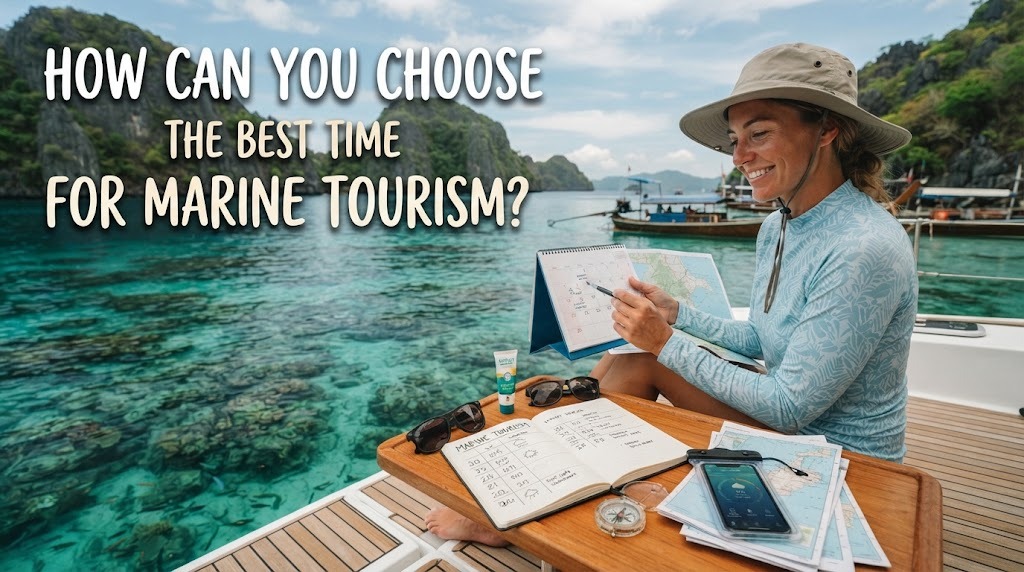
Choosing the right time for marine tourism can make a trip more comfortable, enjoyable, and safe. Weather, sea conditions, tourist crowds, and the type of activity can all affect the quality of a marine holiday. A destination may look beautiful throughout the year, but certain periods may be more suitable for specific activities. By planning carefully, travelers can enjoy better travel conditions and make the most of their time near the sea.
CHECK THE WEATHER CONDITIONS
Weather is one of the most important factors when choosing the right time for marine tourism. Travelers should check the weather forecast before booking or departing, especially when the trip involves boat transportation. Heavy rain, strong winds, thunderstorms, and high waves can make marine activities uncomfortable or unsafe. Weather conditions can also affect visibility during snorkeling and diving.
It is important to remember that weather patterns vary between regions. A period that is considered dry in one destination may have different conditions in another area. Travelers should check reliable local weather information close to the departure date. If conditions are unsuitable, postponing the trip may be safer than continuing with risky activities.
CONSIDER THE SEA CONDITIONS
Sea conditions can be just as important as the weather. Wave height, wind speed, currents, and visibility can affect swimming, snorkeling, diving, and boat trips. Calm water is generally more comfortable for many recreational activities, particularly for beginners. However, the ideal conditions depend on the destination and the specific activity.
Travelers should follow information provided by local authorities, harbor officials, and responsible tour operators. Conditions can change during the day, so a favorable forecast does not guarantee completely calm seas. Always pay attention to safety warnings before entering the water. Understanding sea conditions helps travelers make responsible travel decisions.
MATCH THE SEASON WITH YOUR ACTIVITIES
Different marine activities may be better suited to different seasonal conditions. For example, travelers interested in snorkeling or diving may prioritize periods with good underwater visibility and suitable sea conditions. People who mainly want to relax on the beach may focus more on comfortable weather and lower rainfall. Those interested in fishing or sailing should also consider local seasonal conditions and regulations.
Before choosing a travel date, research the conditions that are important for your planned activities. Some marine areas may have seasonal restrictions to protect wildlife or ecosystems. Certain destinations may also experience seasonal changes in transportation availability. Matching the travel season with your activities can help create a smoother experience.
CONSIDER THE TOURIST SEASON
Tourist numbers can influence the experience at a marine destination. During peak season, beaches, boats, hotels, and popular attractions may be busier. This can result in longer waiting times and higher prices for some travel services. Travelers who prefer quieter surroundings may consider visiting during less busy periods.
However, low season can sometimes coincide with less predictable weather or reduced transportation and tourism services. Travelers should therefore compare both visitor levels and environmental conditions. Checking accommodation availability and transportation schedules before booking is useful. Finding a suitable balance between crowds, costs, and weather can make planning easier.
CHECK LOCAL CLIMATE PATTERNS
Understanding the local climate can help travelers avoid unsuitable periods. Many destinations have wet and dry seasons, but the exact timing differs between countries and regions. Coastal areas can also experience local weather patterns that are different from inland areas. Travelers should research the specific destination instead of relying only on general seasonal information.
Climate information from official tourism agencies and meteorological services can provide useful guidance. Historical patterns can help with planning, but they cannot guarantee the exact weather on a particular day. It is therefore important to check an updated forecast as the travel date approaches. Combining climate information with current forecasts can support better travel planning.
CHECK SPECIAL MARINE EVENTS
Some destinations offer seasonal events that can make a marine trip more interesting. These may include marine festivals, cultural events, sailing activities, or organized conservation programs. Travelers interested in these experiences should check the official schedule before making reservations. Event dates can change, so current information is important.
Special events can also affect accommodation, transportation, and visitor numbers. Booking early may be necessary if an event attracts many visitors. At the same time, travelers should respect local rules and environmental guidelines during these events. Planning around suitable activities can make the trip more memorable and organized.
PREPARE FOR CHANGING CONDITIONS
Even with careful planning, marine conditions can change unexpectedly. Travelers should have a flexible itinerary in case rain, strong winds, or other conditions affect planned activities. It is useful to prepare alternative activities that can be enjoyed safely on land. Flexible planning can reduce disappointment when an outdoor activity has to be changed.
Travelers should also listen to instructions from tour operators and local authorities. Do not continue a marine activity simply because it was included in your original plan. Safety should take priority over completing an itinerary. Being prepared for changes can make marine tourism safer and more comfortable.
CONCLUSION
Choosing the best time for marine tourism requires careful consideration of weather, sea conditions, seasonal activities, tourist levels, local climate, and special events. Travelers should also check updated forecasts and remain flexible because marine conditions can change quickly. The ideal time depends on the destination and the activities you want to enjoy. With proper planning, travelers can experience the ocean more comfortably while reducing unnecessary risks.
About the Author
Gusti Ayu Tita P
Author — STEKOM University
An active author focused on academic issues, educational technology, and human resource development in the campus environment.



