
How Can You Deal With Language Barriers During an International Trip?
Gusti Ayu Tita P
17 September 2026
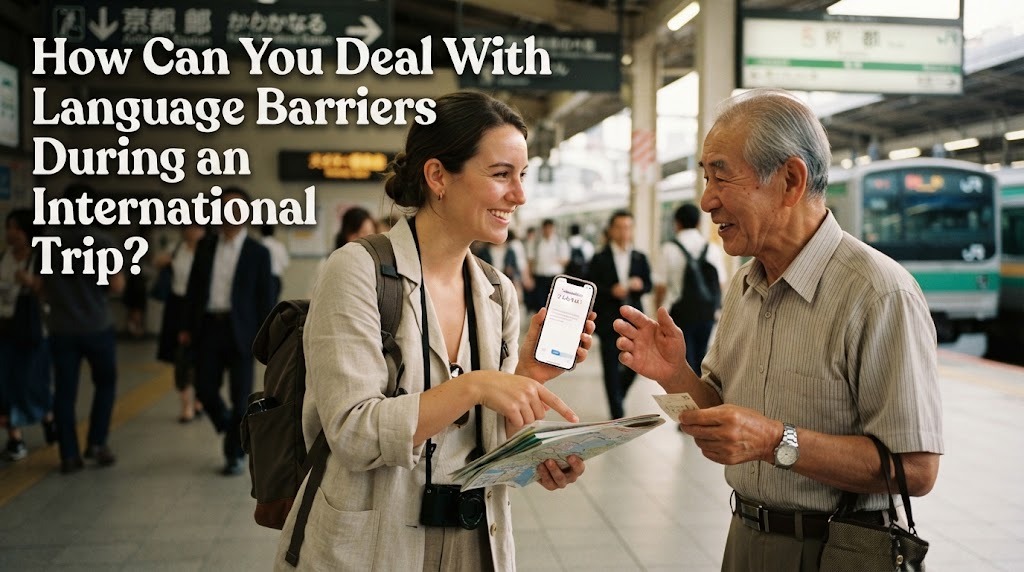
Language barriers can be one of the challenges travelers face during an international trip. Differences in language may make it difficult to ask for directions, order food, communicate with locals, or handle unexpected situations. However, travelers do not need to speak the local language fluently to communicate effectively. With simple preparation and the right tools, language differences can be managed more easily.
LEARN BASIC LOCAL EXPRESSIONS
Learning a few common words and expressions before traveling can make communication easier. Focus on useful phrases such as greetings, thank you, please, excuse me, yes, no, and asking for help. Learning numbers can also be useful when shopping, paying for food, or checking transportation information. Even simple attempts to speak the local language can show respect toward local people. Practice the pronunciation before your trip so you feel more confident using these expressions.
USE A TRANSLATION APP
Translation applications can be helpful when you encounter unfamiliar words or sentences. Many applications can translate written text, spoken language, and even text captured through a phone camera. Download the necessary language packs before traveling if offline translation is available. This can be especially useful in areas where internet access is limited. However, translation tools may sometimes produce inaccurate or unnatural results, so use them as communication aids rather than relying on them blindly.
SPEAK USING SIMPLE SENTENCES
When communicating with someone who does not understand your language, avoid complicated sentences and uncommon expressions. Use short and clear phrases and speak at a moderate pace. Repeating the same sentence more loudly is not always helpful because the problem is usually language comprehension rather than hearing. Instead, simplify the words and explain the idea using different terms. Clear communication can reduce confusion and make conversations more effective.
USE GESTURES AND VISUAL AIDS
Body language can support verbal communication when words are difficult to understand. Pointing at a location on a map, showing a photo, or using numbers on a calculator can help communicate basic information. For example, showing a picture of a food item can make ordering easier when you cannot pronounce its name. However, remember that gestures can have different meanings across cultures. Use simple and respectful gestures and observe how local people communicate.
SAVE IMPORTANT INFORMATION IN THE LOCAL LANGUAGE
Before leaving your accommodation, save important information in both your language and the local language. This can include your hotel name, address, destination, transportation details, and emergency contacts. You can show the information to a driver, hotel employee, or local resident when you need assistance. Screenshots can be useful when you do not have reliable internet access. Having this information ready can be especially helpful when navigating unfamiliar areas.
USE MAPS AND VISUAL DIRECTIONS
Digital maps can reduce the need for complicated conversations about directions. Before traveling, download offline maps when possible and mark important locations such as your accommodation, airport, train station, and planned attractions. If you need to ask someone for directions, showing the destination on your phone may be easier than explaining it verbally. Pay attention to landmarks and street names as additional references. Combining maps with simple communication can make navigation much easier.
ASK FOR HELP POLITELY
Do not hesitate to ask for help when you genuinely need it. Look for people who may be accustomed to assisting travelers, such as hotel staff, transportation employees, tourist information officers, or other service workers. Begin with a polite greeting and explain your situation using simple words or a translation tool. If one person cannot understand you, remain patient and try another method of communication. Staying calm and respectful can make language-related situations easier to handle.
BE PATIENT AND FLEXIBLE
Language misunderstandings are normal during international travel. You may pronounce a word incorrectly, misunderstand an answer, or encounter someone who speaks a different language from what you expected. Instead of becoming frustrated, try communicating the same idea in a simpler way. Give the other person enough time to understand and respond. A patient and flexible attitude can help prevent small misunderstandings from becoming stressful situations.
CONCLUSION
Dealing with language barriers during an international trip requires preparation, patience, and flexibility. Learning basic local expressions, using translation apps, speaking clearly, and using maps or visual aids can make communication easier. Saving important information in the local language is also useful when you need help with transportation or accommodation. With these simple strategies, language differences do not have to prevent you from having a comfortable and enjoyable international travel experience.
About the Author
Gusti Ayu Tita P
Author — STEKOM University
An active author focused on academic issues, educational technology, and human resource development in the campus environment.















