How Can You Develop Networking Skills Through Educational Forums?
Gusti Ayu Tita P
29 September 2026
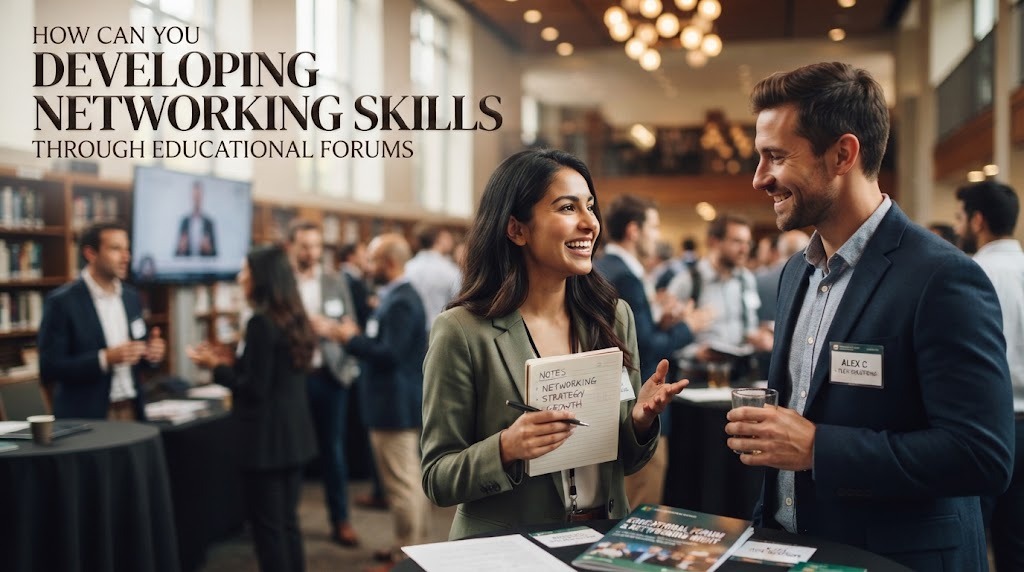
Educational forums provide opportunities to meet people with different educational and professional backgrounds. Through discussions, seminars, workshops, and group activities, participants can practice building meaningful relationships. These experiences can help develop Networking Skills that are useful for education and future careers. Networking is not only about meeting many people but also about creating respectful and valuable connections. With regular participation, educational forums can become a practical environment for improving networking abilities.
CHOOSE RELEVANT EDUCATIONAL FORUMS
Choosing the right forum is an important first step in developing networking skills. Participants should look for events related to their interests, field of study, or career goals. Relevant forums make it easier to meet people who share similar interests. They also provide opportunities to gain Professional Connections with educators, students, and professionals. This can make networking more meaningful and focused.
Before attending, participants can learn about the forum topic, speakers, and activities. Knowing this information can help them identify possible conversation topics. However, participants should remain open to meeting people outside their expected network. Different perspectives can provide valuable learning experiences.
PRACTICE INTRODUCING YOURSELF
A simple introduction can make it easier to start a conversation. Participants can mention their name, educational or professional background, and general interests. A clear introduction demonstrates Communication Skills and helps others understand who they are. The introduction does not need to be long or overly formal. A friendly and natural approach can make conversations more comfortable.
After introducing themselves, participants can ask the other person about their interests or experience. Asking questions shows genuine interest and can help maintain the conversation. Participants should listen carefully instead of focusing only on what they want to say. This creates a more balanced and meaningful interaction.
PARTICIPATE IN GROUP ACTIVITIES
Group activities provide natural opportunities to interact with other participants. Discussions, projects, and workshops require people to communicate and cooperate toward a shared goal. By taking part actively, participants can practice Team Networking while learning from others. These activities can also reveal common interests and skills. Such shared experiences can make it easier to build relationships.
Participants should contribute useful ideas while respecting the opinions of others. They can offer assistance, ask thoughtful questions, or share relevant information. Cooperative behavior can create a positive impression without requiring excessive self-promotion. Good networking often develops naturally through productive activities.
MAINTAIN PROFESSIONAL CONNECTIONS
Networking does not end when the educational forum is finished. Participants can maintain useful relationships through appropriate professional communication. Sending a brief follow-up message or sharing a relevant resource can help continue the connection. Professional Networking becomes more valuable when communication is consistent and respectful. However, participants should avoid sending unnecessary or excessive messages.
They can also join professional communities related to their interests. Continuing to participate in relevant discussions provides additional opportunities to learn and communicate. Maintaining connections over time can help participants build a stronger professional network. The goal should be to create mutually useful relationships rather than simply collect contacts.
DEVELOP GENUINE RELATIONSHIPS
Strong networking skills involve building relationships based on trust and mutual respect. Participants should show genuine interest in other people's ideas and experiences. They can contribute by sharing useful information or offering support when appropriate. Relationship Building takes time and should not depend only on immediate career benefits. Genuine connections are more likely to remain useful over the long term.
Participants should also respect differences in background, opinions, and communication styles. Being open-minded can make it easier to communicate with a wider range of people. They can learn from each interaction and reflect on how they can improve their networking approach. With consistent practice, networking can become a natural part of personal and professional development.
CONCLUSION
Educational forums can help develop networking skills through choosing relevant events, practicing introductions, joining group activities, maintaining professional connections, and building genuine relationships. Participants should focus on meaningful communication rather than simply increasing the number of contacts. Active Participation and respectful behavior can make networking more effective. With regular practice, these skills can support future academic and professional opportunities.
About the Author
Gusti Ayu Tita P
Author — STEKOM University
An active author focused on academic issues, educational technology, and human resource development in the campus environment.