
How Can You Enjoy Marine Tourism Safely And Comfortably?
Gusti Ayu Tita P
23 September 2026
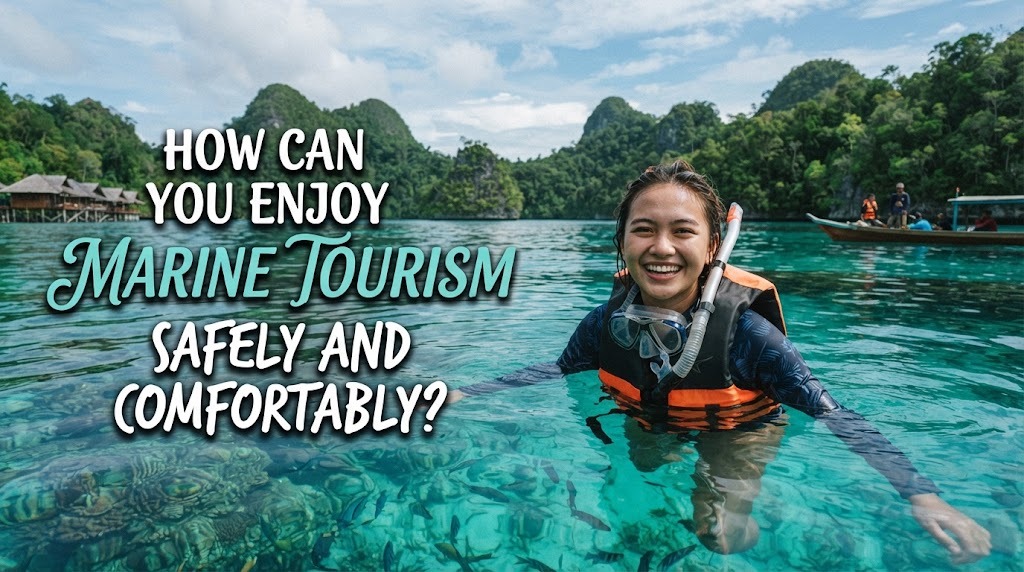
Marine tourism is a popular choice for people who want to enjoy beautiful beaches, clear water, and exciting sea activities. Swimming, snorkeling, diving, and boat trips can provide memorable experiences when they are done properly. However, the sea can have changing weather, waves, currents, and other conditions that require attention. Good preparation can help tourists enjoy marine tourism safely and comfortably while reducing unnecessary risks.
CHECK THE WEATHER AND SEA CONDITIONS
Before going to the sea, always check the weather forecast, waves, wind, and sea conditions. Bad weather or strong waves can make activities such as swimming, snorkeling, and boating more dangerous. Information from local officers or tour guides can also be useful because they may understand the conditions around the destination. Avoid starting an activity when there is a safety warning or when the sea conditions are clearly unsuitable. Checking the conditions again before entering the water is also important because weather can change quickly.
CHOOSE ACTIVITIES THAT MATCH YOUR ABILITY
Every tourist has a different level of experience and physical ability. Choose an activity that matches your swimming skills, experience, physical condition, and confidence. Beginners can start with simple activities in safe areas before trying more challenging experiences. Do not force yourself to follow other people if you are not ready for the activity. If you feel tired, scared, or uncomfortable, stop the activity and move to a safe place.
USE PROPER SAFETY EQUIPMENT
Safety equipment can provide important protection during marine activities. When traveling by boat, wear a properly fitted life jacket and follow the instructions from the crew. For snorkeling, diving, or other water activities, make sure the equipment is suitable and in good condition. Check important equipment before using it and ask the guide for help if you do not know how to use something. Even strong swimmers should not ignore safety equipment because sea conditions can be unpredictable.
FOLLOW LOCAL RULES AND GUIDANCE
Tourist destinations usually have rules designed to protect visitors and the environment. Always follow instructions from lifeguards, guides, boat crews, and local officers during your activities. Stay within marked swimming areas and do not enter restricted zones. If the staff asks tourists to leave the water because conditions have changed, follow the instruction immediately. Respecting local rules can help prevent accidents and make the trip more organized.
AVOID GOING INTO THE SEA ALONE
Going into the sea with friends, family, or a guide can provide additional support when something unexpected happens. Tourists should stay with their group and tell others before moving to another area. Beginners should especially avoid doing water activities alone. During snorkeling or diving, follow the group system and remain within the area recommended by the guide. Having someone nearby can make it easier to receive help during an emergency.
TAKE CARE OF YOUR BODY
A good physical condition can help you enjoy marine activities more safely. Get enough rest, drink enough water, and eat properly before doing activities that require physical effort. Avoid entering the water when you are extremely tired or feeling unwell. Take regular breaks, especially after swimming or other demanding activities. If you experience cramps, weakness, dizziness, or unusual discomfort, leave the water and ask for assistance when necessary.
KNOW WHAT TO DO IN AN EMERGENCY
Tourists should have basic knowledge of what to do if an emergency occurs. If you experience difficulty in the water, try to stay calm and call for help instead of making sudden movements that can increase exhaustion. Before starting an activity, identify the location of lifeguards, emergency equipment, and safe exit points. When traveling by boat, pay attention to where the life jackets and other safety equipment are located. Knowing these basic steps can help you respond more clearly in an unexpected situation.
PROTECT THE MARINE ENVIRONMENT
Enjoying marine tourism should not damage the environment. Avoid touching or stepping on coral reefs, and keep a safe distance from marine animals. Do not throw plastic, food waste, or other rubbish into the sea or onto the beach. Tourists should also avoid taking coral, shells, or marine animals when local rules prohibit it. Protecting the environment helps keep marine destinations beautiful and supports sustainable tourism.
RESPECT LOCAL COMMUNITIES
Marine tourism is closely connected to people who live and work in coastal areas. Tourists should respect local customs, rules, and daily activities while visiting these destinations. Use local services responsibly and treat workers, guides, fishermen, and other residents with respect. Avoid disturbing fishing activities or entering areas that are used by local communities without permission. Good relationships between tourists and local residents can create a more comfortable experience for everyone.
CONCLUSION
Enjoying marine tourism safely and comfortably requires preparation, awareness, and responsible behavior. Tourists should check sea conditions, choose suitable activities, use safety equipment, follow local guidance, and take care of their physical condition. It is also important to avoid going into the sea alone and to understand basic emergency procedures. At the same time, tourists should protect marine ecosystems and respect local communities. With these simple habits, marine tourism can become a safe, comfortable, enjoyable, and memorable experience.
About the Author
Gusti Ayu Tita P
Author — STEKOM University
An active author focused on academic issues, educational technology, and human resource development in the campus environment.



