How Can You Include an Emergency Fund in a Trip Budget?
Gusti Ayu Tita P
17 September 2026
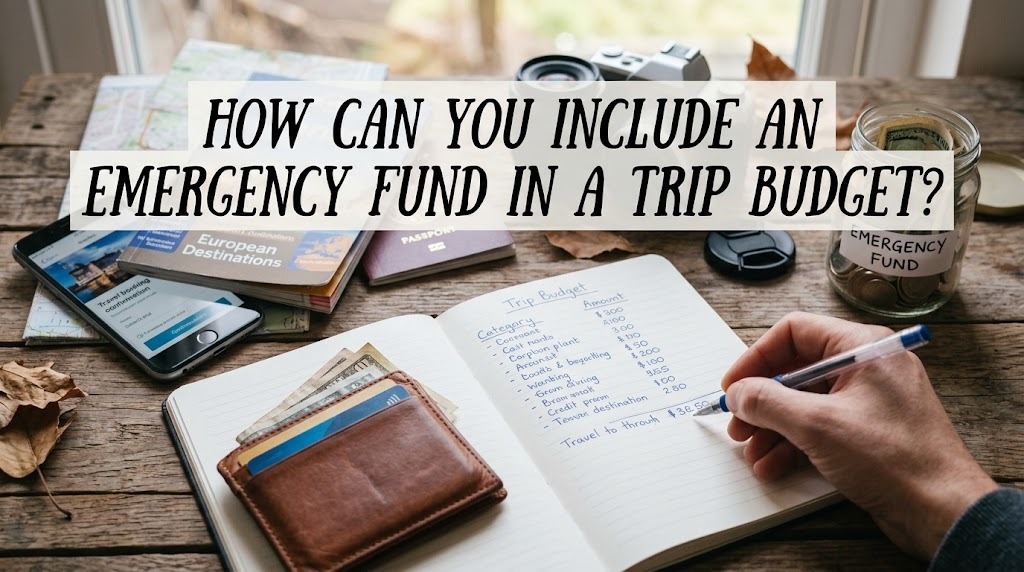
Traveling can be more comfortable when you have a clear financial plan. One important part of that plan is an emergency fund, which provides extra money for unexpected expenses during a trip. Without an emergency fund, a sudden problem such as a delayed flight, medical expense, lost belongings, or unexpected transportation cost can disrupt your travel plans. Therefore, travelers should include emergency savings when preparing a trip budget. A well-planned emergency fund can help you enjoy your vacation with greater financial confidence.
UNDERSTANDING THE ROLE OF AN EMERGENCY FUND
An emergency fund is money reserved specifically for unexpected expenses that may occur during a trip. It is different from the money allocated for regular expenses such as accommodation, food, transportation, and entertainment. The fund should only be used when an unexpected situation requires additional spending. Examples include medical treatment, replacing lost documents, changing transportation, or paying for an unplanned overnight stay. Separating this money from the regular travel budget can make it easier to control your spending.
The amount needed depends on the destination, travel duration, transportation options, and personal circumstances. International trips may require a larger reserve because exchange rates, medical costs, and transportation changes can be more expensive. Travelers should also consider whether they are traveling alone, with friends, or with family. A longer trip generally requires a larger emergency reserve because there are more opportunities for unexpected expenses. By considering these factors before departure, travelers can create a more realistic budget.
HOW MUCH SHOULD YOU SET ASIDE FOR EMERGENCIES
There is no single emergency fund amount that works for every traveler. A practical approach is to reserve around 10 to 20 percent of the total trip budget, depending on the destination and level of financial risk. For example, if your planned trip costs $1,000, you could consider setting aside approximately $100 to $200 as an emergency reserve. This money should not be counted as part of your planned spending. If the trip has special risks or expensive transportation arrangements, a larger reserve may be appropriate.
Travelers with limited funds can still create an emergency reserve by adjusting other expenses. Instead of choosing expensive accommodation or activities, some money can be redirected toward emergency savings. The goal is not necessarily to have a large amount of extra money but to have enough to handle reasonable unexpected situations. Before traveling, review the estimated costs and identify which expenses could increase unexpectedly. This approach helps make the emergency fund more realistic and useful.
WHAT EXPENSES SHOULD AN EMERGENCY FUND COVER
An emergency fund should be reserved for expenses that are unexpected and necessary rather than optional purchases. Possible examples include medical treatment, emergency transportation, replacement of essential travel documents, or additional accommodation caused by a serious travel disruption. It may also help cover unexpected fees related to flight or transportation changes. Travelers should understand that ordinary shopping, souvenirs, or spontaneous entertainment should not normally come from this reserve. Keeping the purpose clear helps prevent unnecessary spending.
The exact emergency expenses will depend on the type of trip. For example, travelers going abroad may need to prepare for currency exchange costs, passport-related problems, or unexpected transportation changes. Travelers taking road trips may need to consider vehicle repairs, fuel changes, or emergency accommodation. Families may need additional funds because an unexpected expense can affect several people at once. Thinking about possible situations before departure allows travelers to prepare without becoming overly concerned about every possible problem.
HOW TO KEEP YOUR EMERGENCY FUND SAFE
Keeping the emergency fund separate from everyday spending money can make it easier to protect. Travelers can use a separate bank account, savings balance, or another secure payment method for the reserve. It is also useful to carry more than one payment option in case a card is lost, blocked, or temporarily unavailable. For international travel, travelers should understand how their payment methods work in the destination country. Having access to different payment options can provide additional flexibility during emergencies.
Travelers should also avoid carrying all emergency money in one physical location. Keeping everything together can create a bigger problem if a wallet or bag is lost or stolen. A safer approach is to divide access between secure payment methods while maintaining appropriate protection for personal information. Travelers should also know how to contact their bank, insurance provider, airline, or local emergency services if necessary. These preparations can make an emergency fund more useful when a real problem occurs.
HOW TO MANAGE THE EMERGENCY FUND DURING THE TRIP
Once the trip begins, the emergency fund should be treated as money for unexpected situations only. Regular expenses should continue to come from the planned daily or weekly budget. Travelers can monitor their spending through a budgeting application, spreadsheet, or simple notes on their phone. Tracking expenses makes it easier to recognize when spending is approaching the planned limit. If the emergency fund remains untouched, it can continue to provide financial protection until the trip ends.
If an emergency occurs, record how much money was used and why it was necessary. After the situation is resolved, review the remaining travel budget and adjust other nonessential expenses if needed. For example, travelers may reduce spending on optional activities after using part of the emergency reserve. This helps prevent the total trip cost from becoming significantly higher than planned. The key is to protect essential spending while keeping the remaining budget under control.
CONCLUSION
Including an emergency fund in a trip budget is an important part of responsible travel planning. Unexpected medical costs, transportation problems, lost documents, and additional accommodation can happen even when a trip has been carefully planned. Setting aside around 10 to 20 percent of the estimated travel cost can provide a useful starting point, although the appropriate amount depends on the destination and individual circumstances. Keeping the reserve separate from everyday spending can also reduce the risk of using it unnecessarily. With careful preparation, travelers can manage unexpected expenses while keeping their overall vacation budget under better control.
About the Author
Gusti Ayu Tita P
Author — STEKOM University
An active author focused on academic issues, educational technology, and human resource development in the campus environment.