
How Can You Keep The Ocean Clean While Traveling?
Gusti Ayu Tita P
23 September 2026
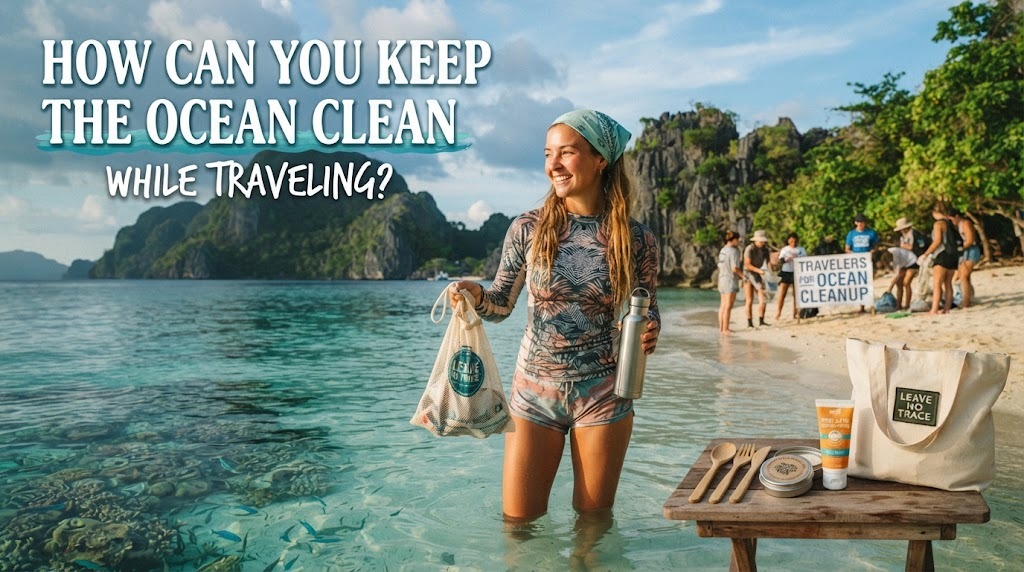
Traveling to the coast is a great way to enjoy beautiful beaches, clear water, and marine life. However, tourism can create plastic waste, food waste, and other pollution if visitors do not behave responsibly. Keeping the ocean clean is not only the responsibility of local authorities or tourism businesses. Every traveler can contribute through simple habits before, during, and after a trip.
REDUCE SINGLE USE PLASTIC
One of the easiest ways to protect the ocean is to reduce the amount of single use plastic you use while traveling. Bring a reusable water bottle, shopping bag, and food container instead of repeatedly using disposable items. Avoid buying products with unnecessary plastic packaging when possible. These small choices can reduce the amount of waste that could eventually reach rivers and oceans.
Travelers should also refuse disposable items when they are not needed. For example, you can bring reusable cutlery or choose drinks without unnecessary plastic accessories. If disposable products are unavoidable, make sure they are disposed of properly. Reducing waste at the beginning is generally more effective than trying to clean it up later.
BRING YOUR WASTE BACK
Never leave trash on the beach, in the water, or on a boat. Small items such as snack wrappers, cigarette butts, and plastic bags can be carried by wind or water into marine environments. Before leaving a destination, check your surroundings and collect all personal waste. If there is no suitable trash bin nearby, keep the waste with you until you find an appropriate disposal point.
Travelers can also carry a small reusable waste bag during outdoor activities. This is particularly useful when visiting remote beaches or islands where waste collection facilities may be limited. Separating recyclable materials when appropriate can also support better waste management. A clean travel area benefits both marine animals and other visitors.
AVOID HARMING MARINE LIFE
Keeping the ocean clean also means protecting the animals and plants that live there. When snorkeling or diving, avoid touching coral reefs, sea turtles, fish, and other marine organisms. Coral can be damaged by physical contact, while wildlife may become stressed when people get too close. Travelers should observe marine life from a respectful distance.
Do not feed wild marine animals unless the activity is specifically managed under appropriate conservation guidance. Food provided by visitors can change natural behavior and may cause health or ecological problems. Travelers should also avoid collecting shells, coral, or other natural objects when local rules prohibit it. Respecting marine life helps maintain healthy ecosystems for the future.
USE ENVIRONMENTALLY FRIENDLY PRODUCTS
Some personal care products can enter waterways after being washed away. Travelers can consider choosing products with environmentally responsible ingredients and packaging when suitable alternatives are available. Sunscreen, soap, and other products should be used according to their instructions and local environmental requirements. In sensitive marine areas, follow guidance from conservation authorities or tour operators about which products are appropriate.
However, simply choosing a product labeled as eco friendly does not guarantee that it has no environmental impact. The best approach is to reduce unnecessary consumption and prevent products from entering the sea directly. Travelers should also avoid pouring chemicals, oils, or other harmful substances into coastal waters. Responsible product use can help reduce pollution at its source.
CHOOSE RESPONSIBLE TOUR OPERATORS
When joining marine activities, consider operators that demonstrate responsible tourism practices. Look for businesses that manage waste properly, provide safety instructions, respect wildlife, and follow local environmental regulations. Responsible operators may also educate visitors about conservation and limit activities in sensitive areas. This can make your trip more enjoyable while supporting better tourism practices.
Travelers should ask questions if they are unsure about an operator's environmental practices. For example, you can ask how waste is handled or whether wildlife activities follow local rules. Avoid activities that encourage touching, chasing, or feeding wild animals. Supporting responsible operators can encourage the tourism industry to place greater importance on ocean conservation.
RESPECT BEACH RULES
Every coastal destination may have specific regulations designed to protect its environment. Follow signs and instructions about waste disposal, fishing, swimming, camping, and protected areas. Some beaches may prohibit certain activities because they can damage habitats or disturb wildlife. These rules should be respected even when they seem different from practices in other destinations.
Travelers should also respect local communities and conservation workers. Do not remove environmental signs, damage facilities, or enter restricted areas for photographs. If you see a pollution problem, report it to the appropriate local authority or tourism staff when possible. Following local rules is a simple way to support clean and sustainable tourism.
JOIN CLEANUP ACTIVITIES
Participating in a beach or coastal cleanup can be a meaningful way to contribute to ocean protection. During a cleanup, travelers can help collect plastic waste and other litter from areas where it has accumulated. Always follow the organizer's instructions and use appropriate protective equipment. Avoid touching sharp, hazardous, or unknown objects and report them to the responsible team.
Cleanup activities should complement, not replace, everyday waste prevention. The most effective long-term approach combines reducing waste, disposing of it correctly, and protecting natural habitats. Even a small personal effort can encourage other visitors to behave responsibly. Together, these actions can help create cleaner and healthier coastal environments.
CONCLUSION
Keeping the ocean clean while traveling starts with simple and responsible choices. Travelers can reduce plastic use, take their waste with them, protect marine life, choose responsible tour operators, and follow local regulations. Joining cleanup activities can also provide a direct way to support coastal conservation. By practicing these habits, travelers can enjoy the ocean while helping preserve it for future generations.
About the Author
Gusti Ayu Tita P
Author — STEKOM University
An active author focused on academic issues, educational technology, and human resource development in the campus environment.



